Timothée Chalamet's Opera and Ballet Comments Spark Industry Debate
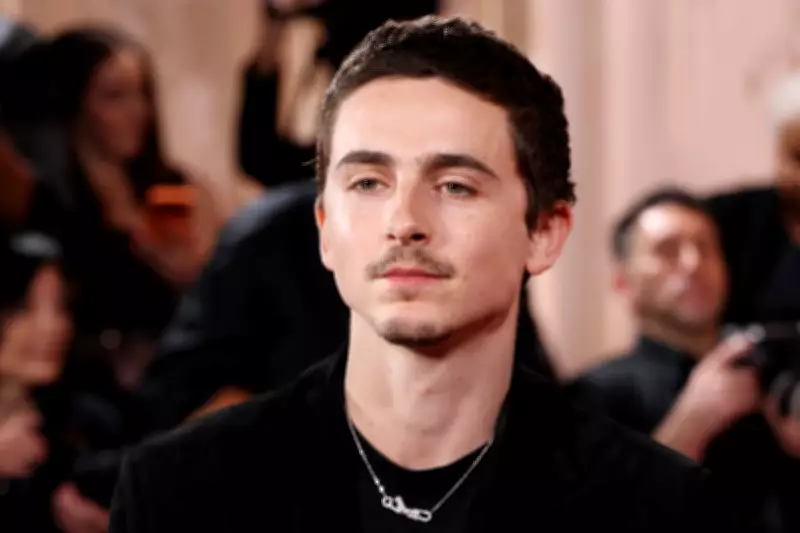
During a recent interview promoting his film Marty Supreme, Oscar-nominated actor Timothée Chalamet controversially stated that "no one cares about" opera and ballet anymore. The remarks, widely interpreted as a dismissive slight, have triggered swift and forceful rebukes from prominent figures and institutions within the global opera and ballet community. Some commentators have even suggested the ensuing controversy could impact his chances at the upcoming Academy Awards.
Why the Comments Struck a Nerve
The backlash raises questions about why Chalamet's words resonated so powerfully. Is it due to his personal connection—his mother and sister both danced with the prestigious School of American Ballet? Or, as dance critic Gia Kourlas noted in the New York Times, does it reflect a painful truth that ballet often only garners mainstream media attention when a celebrity criticises it?
A Health Check on the Ballet Sector
Some organisations have attempted to frame the incident positively. Dance Australia suggested Chalamet's comments could be "unexpectedly useful" to rearticulate why ballet remains vital. Queensland Ballet Artistic Director Ivan Gil-Ortega wrote about the challenge of honouring ballet's heritage while keeping it relevant for modern audiences.

Critic Emma Sandall argued ballet has historically moved "in and out of fashion," always relying on some form of patronage. However, the financial and attendance data presents a stark reality.
- The Australian Ballet saw live performances drop from 248 in 2023 to 200 in 2024, with attendance plummeting from 305,364 to 225,771.
- Nationally, Live Performance Australia reported a 10.4% attendance decline for ballet and dance combined from 2023 to 2024, and a nearly 30% drop since 2010.
- Reflecting on a A$9.1 million loss in 2024, The Australian Ballet's Chair, Richard Dammery, stated the company would be in "dire financial position" without philanthropy.
In the United States, an analysis revealed half of 150 surveyed ballet companies operated at a deficit in 2023, with attendance for ballet and live dance nearly halving between 2017 and 2022.
The Parallel Dilemma in Opera
Opera faces similar existential challenges, grappling with how to maintain artistic integrity while adapting to market economics. Research suggests the need for alternative revenue streams and programming overhauls, though this risks alienating core audiences and donors.
Opera Australia's ventures into musical theatre, like staging Sunset Boulevard in 2024, coincided with a A$10 million operating loss and a 23% attendance drop. Former CEO Craig Hassall labelled the strategy "disastrous," warning that an "addiction to musicals" dangerously departs from the core mission of presenting opera.
In a contrasting response, new CEO Alex Budd thanked Chalamet for the attention and invited him to join the company's under-35 program, which sold 1,110 tickets at its 2024 launch. Budd boasted of one million seats for sale in 2026 but did not specify how many are for opera in a season featuring three major musicals.
Globally, The Metropolitan Opera, the world's largest repertory opera house, is expanding performances but faces severe budgetary pressures, including reported salary cuts, layoffs, and a drained deficit fund. The company is reportedly considering selling two Chagall murals, valued at US$55 million, and has sought a US$200 million lifeline from Saudi Arabia.
The Broader Sector-Wide Challenge
Labor economist Christos Makridis argues the future is dire for opera companies focused on preservation over popularisation and monetisation. In Australia, research is underway to help performing arts companies increase accessibility, but practical solutions will be slow to implement.
The larger context is concerning. Creative Australia's last National Arts Participation Survey found weekly attendance across all art forms dropped from 5% in 2019 to 3% in 2022, indicating a sector-wide issue.

While opera and ballet advocates rightly argue that popularity does not determine artistic value, a more pragmatic approach acknowledges the immense scale of the challenge ahead. The fundamental question remains: what must these organisations do and change to ensure their survival?
Chalamet's provocative statement may have galvanised the arts community, but the response has glaringly highlighted a disconnect between the passionate feelings of artists and administrators and their current capacity to address the systemic threats facing these historic art forms.