Carney Dismisses Trump's Demand for Bridge Stake as Diplomatic Row Escalates
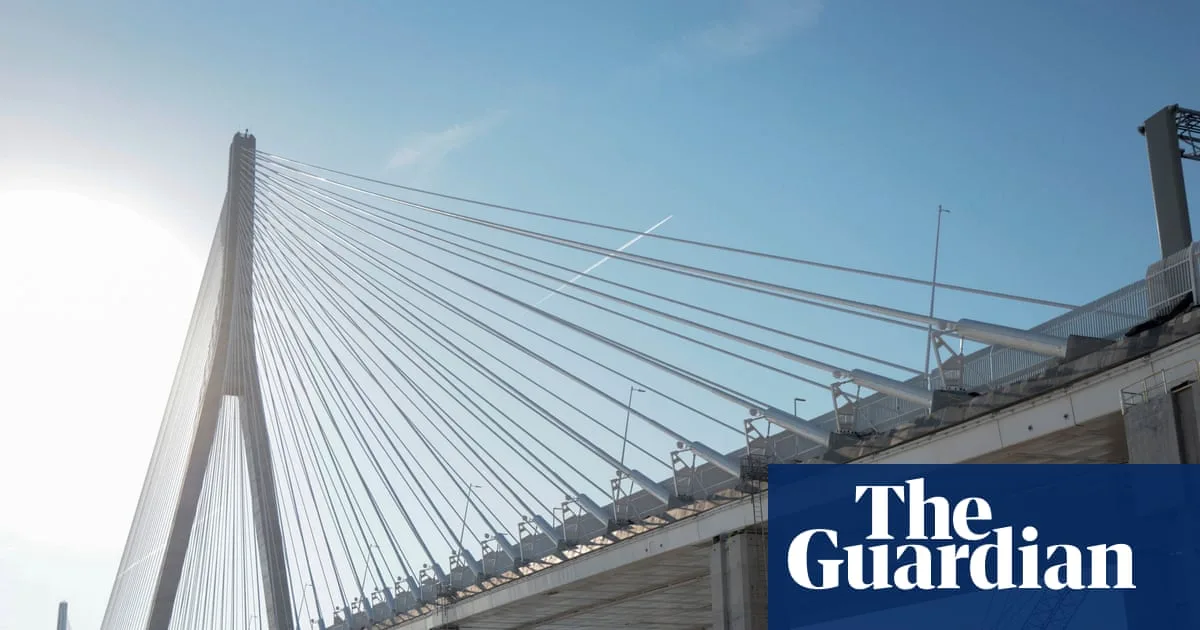
Canadian Prime Minister Mark Carney has firmly rejected former US President Donald Trump's demand for a 50 percent ownership stake in the Gordie Howe International Bridge, a critical infrastructure project linking Ontario and Michigan. The rebuke came during a phone call on Tuesday morning, following Trump's threat to block the bridge's opening unless the United States is granted a half share.
Trump's Trade War Fears Reignited in Social Media Post
In a Truth Social post on Monday night, Trump reignited trade war anxieties by accusing Canada of treating the United States unfairly for decades. He claimed the bridge was constructed with minimal US content and criticised former President Barack Obama for approving the deal. Trump also alleged that Carney's government is aligning too closely with China, warning it would lead to the elimination of ice hockey in Canada, including the Stanley Cup.
"The situation will be settled," Carney stated to reporters after the call, though he provided no specifics. He emphasised that the bridge, costing $4.7 billion, is jointly owned by the state of Michigan and the Canadian government, with construction funded by Canada after the US declined to contribute. Carney highlighted that it was built by workers and using steel from both nations, calling it a "great example of co-operation."
Olympic Taunt Adds Fuel to Diplomatic Fire
In a pointed jab at Trump, Carney predicted that Canada's women's hockey team would defeat the United States in their Olympic clash later that day. "It's a big game today and we're going to win," he declared, referencing Trump's earlier comments about China outlawing ice hockey in Canada. The match, part of the preliminary round at the Milano Cortina 2026 Winter Olympics, pits two undefeated teams against each other, with the outcome determining the top seed for the knockout stage.
Carney noted that US Ambassador to Canada Pete Hoekstra would help facilitate discussions around the bridge issue. The structure, set to open in the coming months, is expected to save travellers $12.7 million annually by reducing congestion and travel time, according to the US Department of Homeland Security, which recently designated it an official port of entry.
Historical Context and Economic Implications
The bridge project dates back to 2012, when Michigan's then-Governor Rick Snyder accepted Canadian funding to cover most costs, bypassing the state legislature via executive authority. Construction commenced in 2018, with tolls over 30 years planned to finance the expenses. Carney underscored the bridge's importance for commerce, tourism, and cross-border travel between the two countries.
This incident underscores ongoing tensions in US-Canada relations, with Trump's accusations of unfair tariffs and diplomatic cozying to China adding to the strain. As both nations await the bridge's opening, the diplomatic spat highlights broader issues in trade and infrastructure cooperation.




