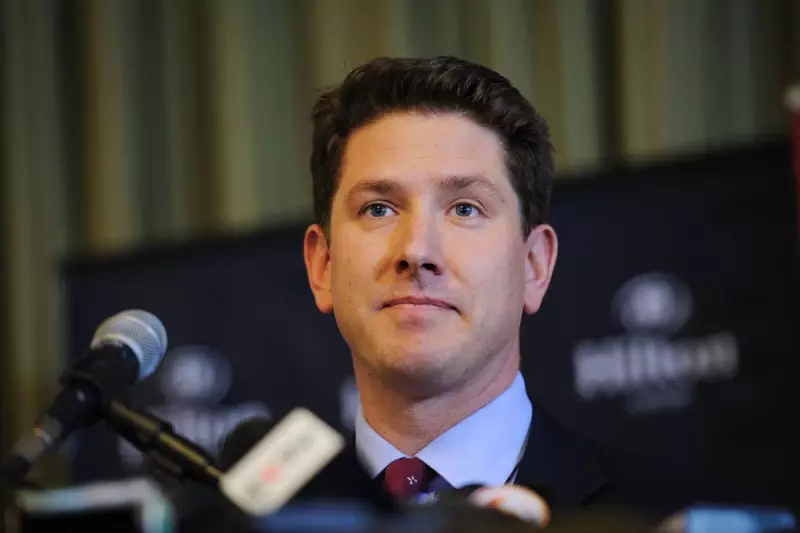
Prime Minister Sir Keir Starmer has appointed a seasoned career diplomat, Christian Turner, as the United Kingdom's new ambassador to the United States. This move follows the removal of Lord Peter Mandelson from the prestigious Washington role.
A Return to Diplomatic Tradition
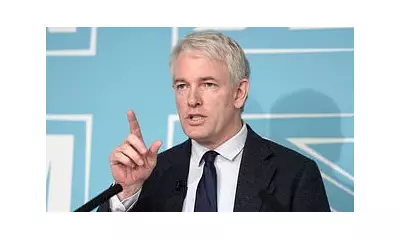
The appointment of Christian Turner signals a deliberate shift back towards selecting experienced Foreign Office professionals for the crucial post. Turner is a highly respected figure within the diplomatic corps, with a distinguished career that includes serving as the Foreign Office's political director, the UK's permanent representative to the United Nations, and ambassador to Pakistan.
His selection comes in the wake of controversy surrounding his predecessor. Lord Mandelson was removed after revelations about his previously undisclosed connections with the convicted sex offender and financier, Jeffrey Epstein. The controversy was amplified when former US President Donald Trump, when questioned, stated he did not know Mandelson in relation to the Epstein links.
The Mandate and Mounting Challenges
Ambassador-designate Turner steps into one of the UK's most significant overseas roles at a time of complex global dynamics. His in-tray will be immediately full with several pressing international issues.
Key challenges awaiting him in Washington D.C. include:
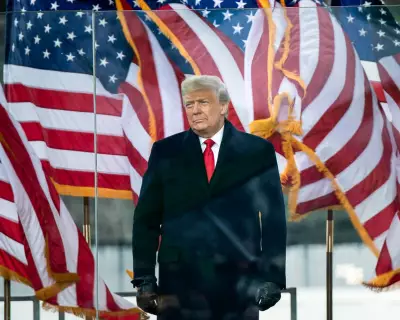
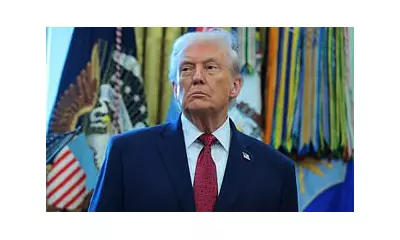
- Navigating the UK's relationship with the administration of President Donald Trump.
- Advancing a major bilateral technology agreement between the two nations.
- Coordinating closely on the ongoing conflict between Ukraine and Russia.
- Addressing the persistent crisis in the Middle East.
Steadying the Ship
The announcement was made on Thursday 18 December 2025. By appointing a figure of Turner's calibre and uncontroversial professional background, the Starmer government aims to stabilise a key diplomatic channel that had been clouded by scandal.
Turner's extensive experience in high-stakes multilateral and bilateral settings is seen as vital for reinforcing the so-called "special relationship" during a period of geopolitical uncertainty. His posting is expected to focus on substantive policy coordination rather than the political profile that characterised his predecessor's tenure.