Cardi B and DHS Engage in Heated Online Exchange Over Immigration and Scandals
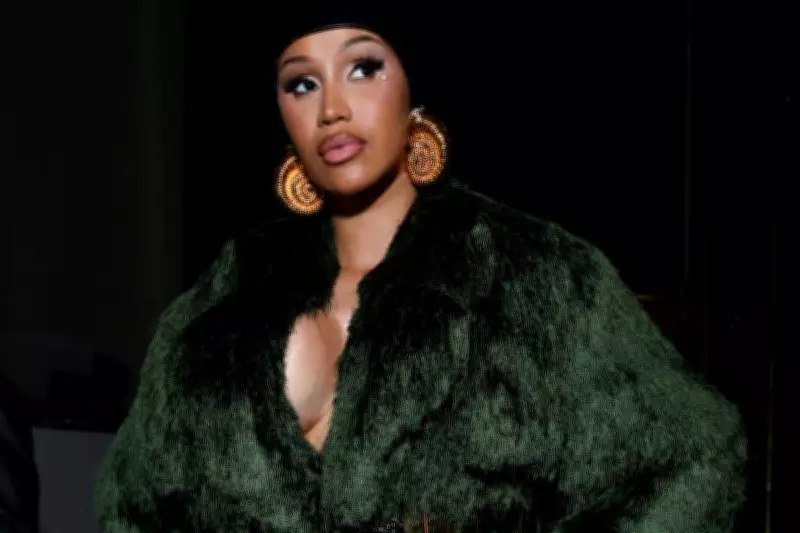
In a bizarre intersection of pop culture and federal governance, Grammy-winning rapper Cardi B has become embroiled in a public feud with the U.S. Department of Homeland Security on the social media platform X. The conflict erupted after Cardi B made inflammatory remarks during a recent concert in Palm Desert, California, threatening physical violence against Immigration and Customs Enforcement agents.
Concert Comments Spark Federal Backlash
During her performance, Cardi B told her enthusiastic audience exactly how they should respond if ICE agents attempted to detain any attendees at the event. "If ICE come in here, we're gonna jump they a****... I got some bear mace in the back. They ain't taking my fans, b****. Let's go!" she declared before launching into her hit song "I Like It."
A video clip of these provocative statements quickly went viral on Elon Musk's X platform, eventually reaching the official account of the Department of Homeland Security. The federal agency responded with a pointed reference to Cardi B's criminal past, writing: "As long as she doesn't drug and rob our agents, we'll consider that an improvement over her past behavior." This remark alluded to the rapper's previous admissions about drugging and robbing men before achieving fame.

Epstein Files Become Central to Counterattack
Cardi B fired back with equal ferocity, shifting the focus to the DHS's own controversies. "If we talking about drugs let's talk about Epstein and friends drugging underage girls to rape them. Why yall don't wanna talk about the Epstein files?" she retorted, referencing the recently released documents related to Jeffrey Epstein that have been heavily redacted in certain sections.
This exchange highlights the unusual nature of modern political discourse, where a federal agency finds itself trading barbs with a celebrity rapper on a social media platform owned by the world's wealthiest individual. The confrontation underscores deepening tensions around immigration enforcement policies that have become central to President Donald Trump's second-term agenda.
Immigration Enforcement Under Scrutiny
ICE and U.S. Customs and Border Protection, both operating under the DHS umbrella, have implemented aggressive tactics as part of President Trump's immigration crackdown. These methods—which include confronting protesters with force and monitoring workplaces, schools, and courthouses to apprehend migrants—have generated significant public disapproval among most Americans.
Cardi B's comments reflect broader societal frustration with these enforcement approaches, while the DHS's response demonstrates how federal agencies now engage directly with critics through social media channels.
Rival Rappers Take Opposite Political Sides
The political polarization extends beyond this specific feud to encompass Cardi B's longtime rival, Nicki Minaj, who has publicly aligned herself with President Trump. While Cardi B encourages her fans to physically confront federal agents, Minaj has appeared alongside the president at multiple events, including a TurningPoint USA gathering and the U.S. Treasury Department's "Trump Accounts" Summit.
During the Treasury event on January 28, Minaj held President Trump's hand and vowed to protect him from political attacks. "We're not going to let them get away with bullying him, and ... the smear campaigns," she told the audience. "It's not going to work." Minaj further declared herself "probably the president's No. 1 fan" and received a Trump Gold Card during her appearance.
Cardi B's Political Reluctance and Resurgence
Interestingly, Cardi B had remained relatively quiet on political matters throughout much of the past year. In a September interview with Billboard magazine, she explained her hesitation to engage with political topics, stating: "You know the reason why I've been so silent about politics? There's a president that knows I've never supported him and it's like if I say something, he's not going to care."

This recent confrontation with the DHS marks a significant departure from that previous restraint, suggesting that certain issues—particularly immigration enforcement and government accountability—have compelled her to re-enter the political fray with characteristic bluntness.
The ongoing feud between Cardi B and the Department of Homeland Security represents more than just celebrity gossip; it encapsulates the collision of entertainment, politics, and governance in the digital age, where social media platforms have become battlegrounds for ideological conflicts that once played out in more traditional arenas.