Canadian Separatists Face Treason Accusations Over Secret US Talks
Canadian Separatists Accused of Treason Over US Talks

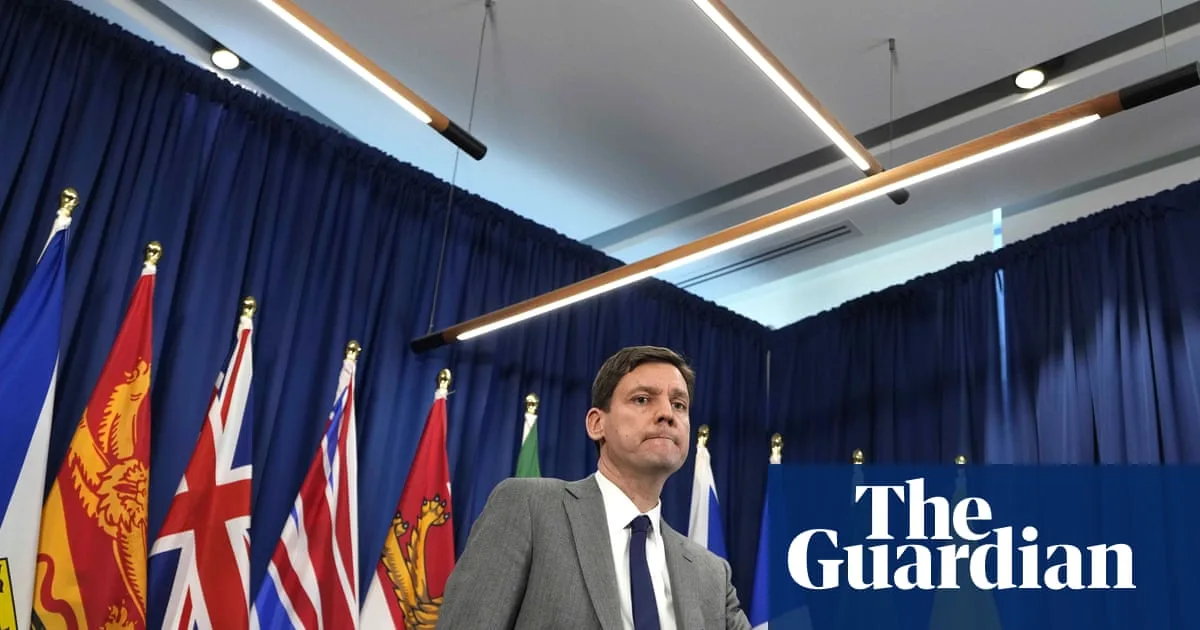
British Columbia's Premier David Eby has launched a scathing attack on separatist activists from Alberta, accusing them of committing "treason" following revelations of covert meetings with officials from the United States government. The explosive comments came during a press conference on Thursday, where Eby condemned what he described as an inappropriate attempt to seek foreign assistance in breaking up Canada.

Secret Meetings and Sovereignty Concerns

The controversy stems from a recent Financial Times report that exposed clandestine discussions between far-right activists from Alberta and members of Donald Trump's administration. These meetings reportedly outlined the group's increasingly emboldened efforts to push for Alberta's secession from Canada, a move that has sent shockwaves through the political establishment.

"To go to a foreign country and to ask for assistance in breaking up Canada, there's an old-fashioned word for that – and that word is treason," Eby told assembled journalists. He emphasised the fundamental inappropriateness of seeking to weaken Canada by requesting help from a foreign power, particularly referencing a US president who has shown little respect for Canadian sovereignty in the past.

Alberta's Independence Movement Gains Momentum

The Alberta independence movement, while still representing a minority viewpoint within the oil-rich province, has been gathering significant momentum in recent months. Organisers are currently collecting signatures across the province in an attempt to trigger a referendum on separation, with a target of nearly 178,000 signatures required over the coming months.

What has particularly alarmed Canadian officials is the group's public admission that they would seek a staggering $500 billion credit facility from the US Treasury to fund the creation of a new country should their referendum prove successful. This financial request, combined with the secret meetings, has raised serious questions about the extent of foreign involvement in Canada's internal affairs.

Political Reactions and Provincial Leadership

The revelations have created significant political tension between provincial leaders across Canada. Alberta Premier Danielle Smith, who has publicly rejected separation and expressed support for "a strong and sovereign Alberta within a united Canada," now faces mounting criticism. Opponents argue that her government's recent changes to referendum petition rules have inadvertently facilitated the separatists' campaign.

Ontario Premier Doug Ford has been particularly vocal in his criticism, stating that Smith needs to "stand up [to the separatists] and say enough is enough." Meanwhile, Eby confirmed he would raise the issue of foreign interference at an upcoming meeting of provincial leaders, emphasising the need to protect Canada's territorial integrity.

US Involvement and Indigenous Concerns

Adding fuel to the controversy, US Treasury Secretary Scott Bessent appeared to endorse the separatists' efforts during an interview with conservative website Real America's Voice. "They have great resources. Albertans are a very independent people," Bessent remarked, adding that "people want sovereignty" and suggesting the province might follow a similar path to American independence.

Prominent Indigenous leaders in Alberta have scheduled addresses on the matter, having previously warned that Elections Alberta remains "ill-equipped" to handle potential foreign interference in any referendum process. They have emphasised that no secession could legally occur without consultation with treaty holders, whose agreements predate Alberta's creation as a Canadian province.

Analysts Warn of Growing Threats

Conflict researcher Thomas Homer-Dixon has voiced serious concerns about what he describes as a "fifth column" approach by separatists – working with external forces to destabilise Canada from within. He warned that even if a separation referendum were to fail, Donald Trump could potentially declare the results "fake" and deploy US troops to the northern Montana border, demanding Alberta's admission as the "51st state."

"We need to be planning right now to neutralize this kind of activity, well in advance," Homer-Dixon cautioned. "Because it seems increasingly like disinformation campaigns, appeals for help, declarations that the electoral process was fake and was stacked are something we need to game out. The reality is, right now, we're just sleepwalking into it."

The situation represents one of the most significant challenges to Canadian unity in recent memory, with analysts increasingly worried that outside influence from the United States could give separatists disproportionate power and undermine Canada's sovereignty in unprecedented ways.




