British Nationals Stranded in Middle East Accuse Government of Abandonment Amid Iran Conflict
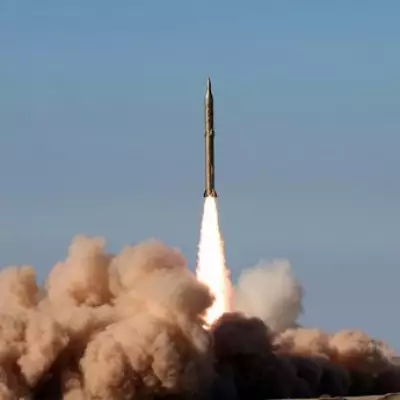
British citizens trapped in the Middle East have expressed feelings of being 'abandoned' by the UK government as they desperately attempt to return home amidst escalating hostilities between Iran and allied forces. The situation has intensified following large-scale attacks initiated by the United States and Israel against Iran, which resulted in the death of Supreme Leader Ayatollah Ali Khamenei. In retaliation, Iran launched strikes on US assets and allies across the Gulf region, including targets within the United Arab Emirates.
Tourist Hotspots and Travel Hubs Disrupted
Iconic locations such as the Fairmont The Palm hotel and the Burj Al Arab hotel in Dubai were among the sites impacted by the conflict. Initial closures of airports across the region due to missile and drone attacks have given way to heavily restricted air traffic, severely disrupting travel plans. Dubai airport, a critical hub handling approximately half a million passengers daily for connections between Europe, Asia, and Australia, was forced to close, leaving around 20,000 travellers stranded in the UAE with all flights suspended.
More than 140,000 Britons have registered their presence in the Middle East with UK authorities, highlighting the scale of the crisis. Frightened holidaymakers and expatriates are now scrambling for limited flight options, with some families resorting to paying up to £100,000 for private jets to escape the volatile region.

Personal Accounts of Distress and Inadequate Support
Emma Hudson, a 43-year-old from Middlesbrough, along with her husband Paul and 14-year-old daughter Sadie, has been stranded in the UAE since Saturday after their British Airways flight was cancelled. The family reports being 'traumatised' by constant loud bangs from intercepted missiles and criticises both the airline and the British Embassy for insufficient assistance.
Ms Hudson recounted: 'British Airways told me the only way they can help with accommodation is if I go to the airport and speak to ground staff. I said, 'is that a joke?', the airport has been bombed twice. All the British Embassy said to me was stay indoors. My daughter suffers with anxiety, and she's been absolutely petrified. We just feel like we've been abandoned.'
The family is incurring costs of £350 per day for hotel stays, charged to a credit card, while their travel insurance has denied coverage due to war exclusions. Similarly, Sarah Short, 54, and her husband Ed, 58, described chaotic scenes at Muscat airport after paying £1,500 for an eight-hour taxi journey from Dubai to Oman in hopes of securing a flight home.
Government and Airline Response Efforts
Foreign Office minister Hamish Falconer informed Parliament that over 2,000 people arrived in the UK on eight flights from the UAE on Wednesday, with an additional 10 flights anticipated. British Airways has scheduled extra commercial flights from Muscat to London Heathrow, though these are fully booked, and the airline remains unable to operate from several Middle Eastern hubs including Abu Dhabi, Dubai, and Doha.
Prime Minister Sir Keir Starmer announced further government-chartered flights following criticism of initial evacuation efforts, including a delayed flight from Muscat due to pilot rest requirements. However, there is no expectation of a large-scale evacuation for the 138,000 registered British nationals, with the Foreign Office advising against travel to certain areas while permitting it for others like Muscat.
Broader Implications and International Comparisons
The crisis has exposed gaps in contingency planning, as other European nations such as Austria and Spain successfully evacuated citizens promptly. Defence considerations have also come to the fore, with HMS Dragon scheduled to deploy to the eastern Mediterranean next week to protect British bases in Cyprus, following a drone attack on RAF Akrotiri.
Individuals like Catriona Mackenzie, a teacher in Kuwait, and Laura and Paul Webster, stuck in Thailand due to cancelled connecting flights via Dubai, illustrate the widespread ripple effects of the conflict. Many report insurance limitations and exorbitant alternative travel costs, compounding their distress.

As tensions persist, stranded Britons continue to voice frustrations over perceived governmental inaction, urging more robust support to facilitate safe passage home amidst the ongoing Middle East turmoil.