British Nationals in UAE Face Severe Penalties for Sharing War Footage
British nationals residing in or visiting the United Arab Emirates have received explicit warnings regarding the severe consequences of sharing photographs or videos documenting war-related incidents. This advisory comes amidst the ongoing conflict in the Middle East, highlighting the UAE's stringent enforcement of cyber-crime legislation.
British Tourist Charged Under Dubai's Cyber-Crime Laws
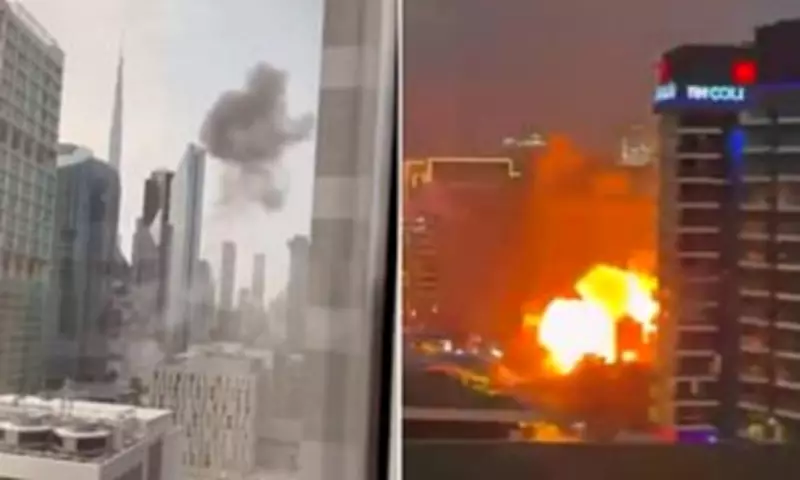
A 60-year-old Londoner was detained on Monday night in Dubai and charged under the emirate's cyber-crime laws. According to the campaign group Detained in Dubai, the individual is accused of 'broadcasting, publishing, republishing or circulating rumours or provocative propaganda that could disturb public security.' The charges stem from alleged video footage showing missile strikes.
Radha Stirling, chief executive of Detained in Dubai, stated that the man claimed to have deleted the video from his phone when requested and had no intention of committing any wrongdoing. Despite this, he faces legal proceedings that could result in significant penalties.

UAE Authorities Issue Multiple Warnings
The British Embassy in the UAE has actively communicated the risks to its citizens. In a post on X, the embassy reiterated warnings from UAE authorities against photographing, posting, or sharing images of incident sites, projectile damage, government buildings, and diplomatic missions. The embassy emphasised that British nationals are subject to UAE laws, and violations may lead to fines, imprisonment, or deportation.
Further clarification was provided via an Instagram post, noting that UAE law defines 'sharing' broadly to include posting on social media platforms as well as sending or forwarding content via messaging applications. The authorities have issued several warnings specifically targeting the documentation of damage from projectiles or shrapnel.
Broad Scope of UAE Cyber-Crime Legislation
The case of the detained British tourist is part of a larger crackdown. Detained in Dubai reported that the 60-year-old is one of 21 individuals charged under cyber-crime laws in connection with videos and social media posts related to recent missile strikes. Penalties for such offences can include up to two years in prison.
Ms Stirling explained the vagueness and seriousness of the charges, noting that alleged conduct could be as simple as sharing or commenting on a video already circulating online. Under UAE cyber-crime laws, not only the original poster but also anyone who reshapes, reposts, or comments on the content can face criminal charges. This means a single video can quickly lead to dozens of individuals being implicated.
Dubai's Social Media Policing and Propaganda Efforts
Dubai's government maintains heavy policing of social media, particularly in response to the conflict. Authorities have threatened jail time for anyone sharing information that 'results in inciting panic among people.' Consequently, videos of drone and missile strikes, which were prevalent on social media in the early days of the conflict, have largely disappeared. They have been replaced by a surge of posts praising Dubai's government.
Influencers with hundreds of thousands of followers have posted identical videos emphasising the safety of the city, often featuring Dubai leader Sheikh Mohammed bin Rashid Al Maktoum with captions like 'I know who protects us.' These posts, viewed millions of times, have raised suspicions of being a coordinated 'paid trend' or propaganda effort, though several influencers have denied receiving payment.
Impact of Conflict on Dubai and Regional Stability
The conflict has significantly impacted Dubai, with the city being the target of approximately two-thirds of the regime's missiles—around 1,700 projectiles over two weeks, though 90% were reportedly destroyed by air defences. Incidents include a fire in an industrial area, attacks on Dubai International Airport that injured four people, and strikes on the International Finance Centre and a high-rise building.

As a result, tens of thousands of residents and tourists have fled, leading to deserted beaches and facilities. Western banks have evacuated employees amid threats, and the closure of the Strait of Hormuz by Iran has caused oil prices to spike to $100 a barrel, with fears of reaching $200, potentially triggering a global recession.
The Foreign Office has confirmed it is in contact with local authorities regarding the detained British man, underscoring the ongoing diplomatic efforts to address these legal challenges faced by nationals abroad.