Elderly British Couple Detail Horrific Ordeal in Taliban's Notorious Prison
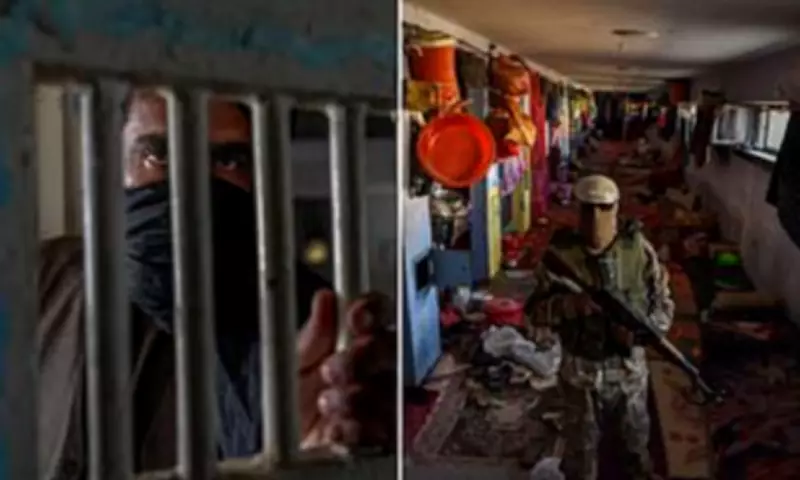
An elderly British couple, imprisoned in one of the Taliban's most infamous detention facilities, have publicly revealed the appalling conditions they endured during their captivity. Peter Reynolds, 80, and his wife Barbie, 76, were held separately in mould-infested, rat-ridden cells at the Pul-e-Charkhi prison, located in the eastern part of Afghanistan's capital, Kabul.
An Unjust Detention Without Explanation
The couple, who had lived in Afghanistan for the past eighteen years, were detained for a total of eight months by the Taliban regime, with three of those months spent inside the notorious prison. To this day, they have not been provided with any official reason for their arrest, which occurred as they travelled back to their home in Bamyan province on undisclosed charges.
Peter, who suffers from a serious heart condition, recounted being handcuffed and chained to other inmates, including rapists and murderers. Barbie experienced her 76th birthday in a state of collapse due to severe malnutrition, a stark illustration of their suffering.

The Overcrowded Hell of Pul-e-Charkhi
Constructed in the 1970s, Pul-e-Charkhi prison was originally designed to accommodate approximately 5,000 individuals. However, it regularly houses up to 15,000 prisoners, leading to extreme overcrowding and squalor. Peter Reynolds described the facility as 'the closest thing to Hell', a sentiment echoed by numerous previous reports detailing systematic torture and beatings by guards, though the couple thankfully avoided such physical abuse.
Barbie's Harrowing Experience in the Women's Wing
While Peter was held in the men's section with just two other cellmates and access to basic sanitation, Barbie's conditions were markedly worse. Her cell contained fifteen women and two children, sharing only five bunk beds, one of which served as a rudimentary kitchen. Consequently, several women were forced to sleep on the bare concrete floor.
Barbie explained, 'Everybody gets a blanket provided by an NGO, which we had to wash ourselves every two weeks. There were four showers but none worked, so we had to use taps and all the water ran into a drain full of trash down the middle of the corridor.' Between 230 women and 40 children in the wing, there were merely seven 'squatty potties', with children frequently missing the target, creating unsanitary conditions.
Arbitrary Imprisonment of Women
During her incarceration, Barbie, who speaks Farsi, conversed with fellow female prisoners who revealed they had been jailed for trivial or non-existent offences. One nineteen-year-old woman received a six-month sentence for driving her boyfriend's car—a dual violation under Taliban law, which prohibits women from driving and having boyfriends. Another mother of four was sentenced to five years because her husband, in a jealous rage, murdered a man she was speaking to; she was blamed and separated from her children.
Barbie stated, 'Ninety per cent of the women I was with were not criminals. Many don’t know how long their sentences are. There are women who’ve been there for months and months, even years, just waiting.' Another woman was imprisoned simply for taking a job after her husband and sons lost work.
Severe Malnutrition and Poor Nutrition
Nutrition presented a significant challenge. Initially detained during Ramadan, the couple received only one meal per day. Afterwards, they were given two daily meals: a piece of naan bread with overcooked vegetables for lunch, and rice with possibly kidney beans for dinner, both excessively oily. Twice-weekly meat provisions were described as 'almost inedible'—comprising mostly bones, skin, and fat.
Barbie noted, 'If you wanted anything else, like breakfast, you had to buy it from the shop, if you had money. When I say shop, it was a metal shipping container with a little hole cut in the side.' This inadequate diet led to her rapid decline into malnutrition and anaemia.

Monotony and Tension in Captivity
With little to occupy their time, women passed the hours making prayer beads and bracelets using supplies from charities. The tense environment often erupted into violent fights, with one incident so severe that a woman required hospital treatment. Later, the couple was transferred to a windowless basement infested with mice and cockroaches, operated by Taliban intelligence, for five weeks.
Diplomatic Efforts Secure Release
Following warnings from UN experts last June that the couple might die without proper medical care, they were moved to a house in a military enclave under armed guard. Ultimately, diplomatic negotiations involving British and Qatari officials secured their release, handed over to the UK Foreign Office. A Taliban official indicated this was part of broader efforts to gain international recognition for their government.
Emotional Reunion and Family Statement
Upon arrival at Heathrow Airport in September 2025, the couple smiled broadly but declined to speak with reporters. They were first reunited with their daughter, Sarah Entwistle, in Doha, who had tirelessly advocated for their freedom. The family released a statement expressing 'intense joy' and 'overwhelming gratitude and relief'.
They thanked Qatari officials for their 'dedication and humanity' and the UK government for ensuring access to medication, adding, 'This experience has reminded us of the power of diplomacy, empathy, and international cooperation. While the road to recovery will be long... today is a day of tremendous joy and relief.'