The Great Phone Speech Debate: Boomers Clash with Gen Z
A generational divide has erupted over the etiquette of reading speeches from mobile phones, with Boomers and Gen Z locked in a heated argument about what constitutes acceptable public speaking in the modern era. The controversy was ignited by recent incidents at high-profile events like the Brit Awards, where artists used their iPhones to deliver acceptance speeches, sparking widespread discussion on social media platforms.
Brit Awards Spark the Controversy
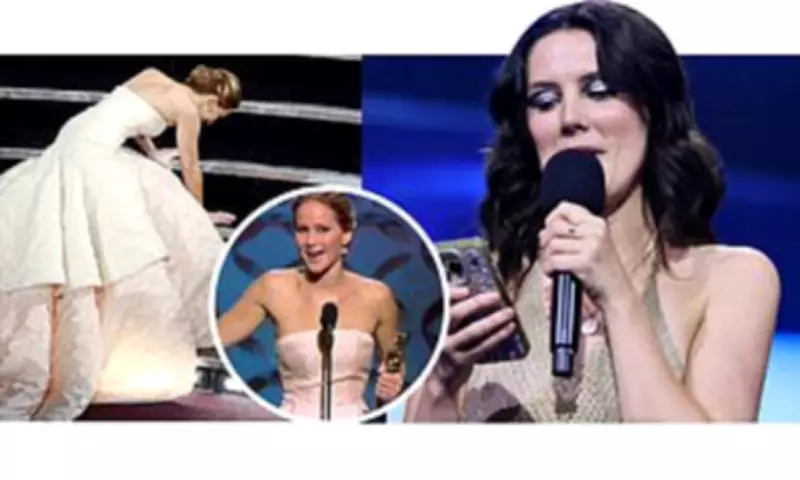
At the recent Brit Awards ceremony, Ella Rowsell from Wolf Alice read her entire acceptance speech directly from her iPhone, while Gen Z favorite Lola Young had to scroll through her phone to locate her pre-written remarks, joking about being "well prepared." The official Brits account even posted Lola Young's speech with the caption: "She's so real for reading the speech off her phone." This prompted immediate backlash from traditionalists who view such behavior as a breach of social etiquette.
Boomer Perspective: "That's a social etiquette sin worse than calling someone after 9pm or bringing wine that costs less than a tenner to a dinner party," argued one Boomer commentator. They pointed to legendary impromptu speeches from Oscar winners like Jennifer Lawrence, who joked about her famous stumble in 2013, and Halle Berry's emotional 2002 Oscars acceptance as examples of how speeches should be delivered—from the heart, not from a screen.

Gen Z Defense: "Better than forgetting your lines and panicking on stage, IMHO," countered a Gen Z advocate. They emphasized that using phones ensures polished, prepared content and avoids the "drunken chaos" of past ceremonies. One Reddit user noted practical advantages: "If you're nervous and your hands shake, paper rustles. Way less obvious with a phone."
The Wedding Speech Dilemma
The debate extends beyond award shows to personal occasions like weddings, where the stakes feel even higher. Boomers insist on traditional methods—writing out speeches and learning them by heart or using discreet index cards with brief notes. They recall disastrous examples like a cousin's wedding where a rambling 15-minute speech awkwardly described teenage acne in graphic detail, blaming such fiascos on excessive alcohol consumption rather than poor preparation.
Gen Z respondents argue that phones are simply more practical and less embarrassing than fumbling with paper. One bride on TikTok stated, "As long as the phone doesn't go off mid-speech, it doesn't make a difference to me." Gen Z speakers promise to use airplane mode to avoid interruptions, though skeptics imagine historical figures like Winston Churchill needing a phone charger mid-speech.
Cultural Shifts and Attention Spans
Underlying this clash are deeper cultural differences. Boomers question whether younger generations have the attention span to memorize even brief speeches, noting that artists who remember complex song lyrics struggle with a few sentences. They criticize phone use as making speakers look like they're "ordering an Uber" rather than delivering meaningful remarks.
Gen Z counters that they value "polished, prepared content" over "incoherent ramblings," viewing phones as tools for precision. They reference Time magazine's analysis that the "most memorable" speeches are often off-the-cuff, but argue that not everyone possesses the improvisational skills of Oscar-winning performers.
As this debate continues to play out on platforms like X, TikTok, and Reddit, it highlights evolving norms in public speaking. Whether at glamorous awards ceremonies or intimate weddings, the question remains: Is reading from a phone a savvy adaptation to modern technology or a fundamental breach of social decorum? Only time will tell which generation's approach becomes the new standard.