Tony Blair's Trump Appointment Creates Diplomatic Tightrope for Starmer Government
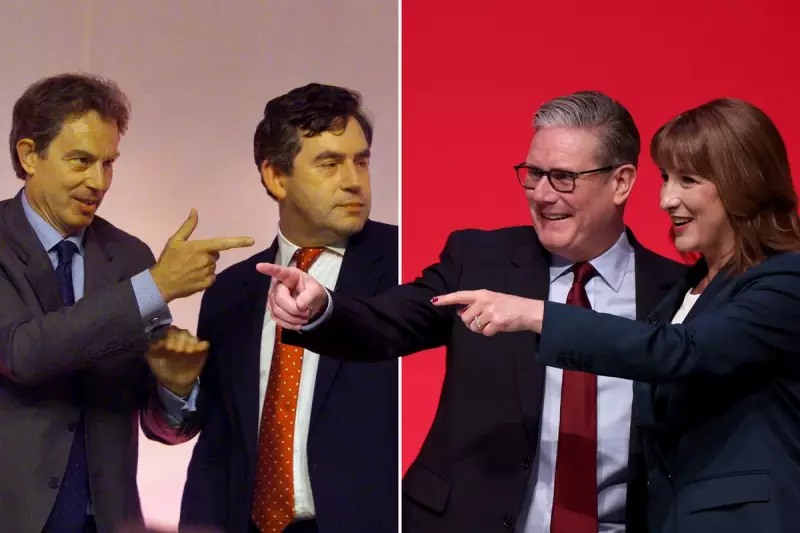
The announcement that former Prime Minister Tony Blair will serve on the executive board of Donald Trump's newly launched "Board of Peace" has created an unprecedented diplomatic conundrum for current Prime Minister Keir Starmer. This development places Starmer's political mentor and confidante in direct communication with the Trump administration, potentially undermining No 10's authority during a period of already strained transatlantic relations.
The Evolving Role of Former Prime Ministers
Gone are the days when former British leaders quietly retreated to write memoirs or deliver after-dinner speeches. While some, like John Major and Gordon Brown, selectively intervene on specific policy areas where they maintain expertise, Tony Blair has carved a distinctly different path. Since leaving office, Blair has served as Middle East envoy, launched multiple global initiatives, and provided lucrative consultancy to governments worldwide through his Tony Blair Institute.
The Tony Blair Institute has been described as a "McKinsey for world leaders," and its influence extends significantly into UK domestic policy. The organisation has championed policies including digital ID cards, demonstrating its continued relevance in British political discourse despite Blair's official departure from frontline politics.

The Board of Peace: A Shadow United Nations?
Trump's Board of Peace initiative, formally launched at Davos with considerable fanfare, represents a radical departure from traditional diplomatic structures. With an expansive charter that notably omits specific mention of Gaza despite originating as a peace initiative for that region, the board appears designed to function as an alternative to established international institutions like the United Nations.
The board's operational structure grants Trump unilateral authority as chairman, with power to appoint executive members and create or dissolve subsidiary bodies. Countries seeking permanent membership face a staggering $1 billion fee, while the invitation list includes approximately sixty nations, controversially extending even to Vladimir Putin's Russia.
European Reactions and UK Positioning
European nations have responded to Trump's initiative with understandable caution. France and the Netherlands have declined participation outright, while Denmark received no invitation despite recent tensions between Trump and Starmer over Greenland. Even traditionally Trump-friendly leaders like Italy's Georgia Meloni have requested additional consideration time before committing.
Foreign Secretary Yvette Cooper has articulated the UK's official position: while supporting Trump's Gaza peace plan, Britain will not sign what it perceives as a broadbrush legal treaty, particularly given concerns about potential Russian involvement. This stance follows Starmer's firm declaration that he "would not yield" to Trump's tariff threats regarding Britain's support for Greenland and European allies.
The Blair Factor: Complication or Opportunity?
Blair's appointment to the board's founding executive alongside figures including Jared Kushner, US Secretary of State Marco Rubio, and Trump's Middle East envoy Steve Witkoff creates multiple layers of complexity for Starmer. The prime minister must now contend with his political predecessor maintaining a direct channel to Trump while possessing an independent power base and policy agenda.
However, this unconventional arrangement might paradoxically benefit Starmer's government. Blair's involvement could provide an informal communication line to the Trump administration, complementing existing relationships maintained by Starmer's national security adviser Jonathan Powell (Blair's former chief of staff) and business adviser Varun Chandra.
Navigating the New Diplomatic Landscape
The fundamental rules of international diplomacy are undergoing rapid transformation as traditional rules-based structures unravel. In this context, Blair's board membership might offer Starmer the best of both worlds: maintaining official solidarity with European allies while preserving backchannel access to a Trump administration that continues to reshape global norms.

Despite Blair's persistently low approval ratings among the British public (standing at -43 at the end of last year), his association with Starmer's government remains sufficiently distant in the public consciousness to avoid significant political damage. More pressing is the challenge of balancing European alliances with necessary engagement with a US administration that repeatedly tests international conventions.
As British diplomacy adapts to this new reality, the Blair-Trump connection represents both a potential complication and an unconventional opportunity. The coming months will reveal whether this arrangement provides strategic advantage or creates irreconcilable policy conflicts for a government navigating increasingly turbulent international waters.