BBC Moves to Dismiss Trump's $10bn Lawsuit Over Edited Speech in Panorama Documentary
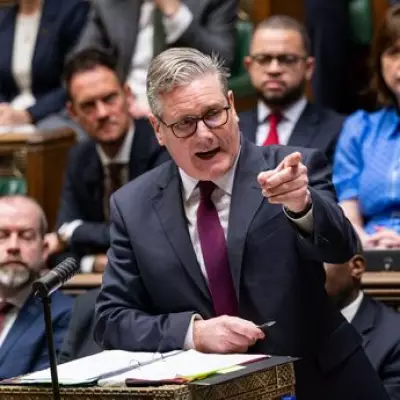
The BBC has formally requested a US court to dismiss a $10bn (£7.5bn) lawsuit filed by Donald Trump, stemming from an edited clip in a Panorama documentary. The broadcaster's legal team has warned that allowing the case to proceed could have a "chilling effect" on journalistic reporting concerning public figures, particularly high-profile individuals like the former president.
Jurisdiction and Broadcast Details at Heart of Legal Dispute
In documents submitted to a Florida court, the BBC's US lawyers emphasised that the documentary, Trump: a Second Chance, was never broadcast in the United States, including Florida. This, they argue, strips the court of jurisdiction to hear the defamation claim. The lawyers stated, "The documentary was never aired in Florida – or the US. It wasn't available to watch in the US on iPlayer, online or any other streaming platforms including BritBox and BBC Select."
Furthermore, the BBC highlighted that the programme aired in the UK a week before Trump's re-election, asserting that his reputation remained undamaged given the timing and limited geographic reach. The corporation's case references other lawsuits, such as a recent "meritless" action against CNN, to bolster the argument that courts should dismiss "expensive yet groundless litigation" that could hinder media coverage of powerful figures.

Apology and Retraction Over Edited Clip
The controversy centres on a 12-second clip from the 2024 documentary, which spliced together two segments of Trump's speech on 6 January 2021. The edit created the impression that he directly urged the crowd: "We're going to walk down to the Capitol and I'll be there with you, and we fight. We fight like hell." These words were actually taken from parts of his address nearly an hour apart.
Upon the edit's discovery late last year, the BBC issued a retraction, apologising for "unintentionally" giving "the mistaken impression that President Trump had made a direct call for violent action." The broadcaster has also apologised personally to Trump for the error. However, it maintains that the documentary, including a shorter international version, did not contain the edited speech when distributed overseas, with no third-party airings in the US.
Legal Arguments and Broader Implications
The BBC's filing stresses that despite Trump's re-election with significant support in Florida, the defamation claim lacks merit due to the documentary's absence in the region. It warns that pursuing such cases could restrict the ability to report on influential personalities, stating, "The chilling effect is clear. Federal courts in Florida therefore frequently dismiss defective defamation claims like this one at the pleading stage."
A BBC spokesperson reiterated the corporation's stance, saying, "We have said throughout we will robustly defend the case against us. We have therefore challenged jurisdiction of the Florida court and filed a motion to dismiss the president's claim." The legal team has urged the court to dismiss the lawsuit "with prejudice" at the outset, aiming to prevent further litigation on this matter.
This case underscores ongoing tensions between media organisations and public figures over editorial practices, with potential ramifications for press freedom and defamation law in the digital age.