BBC Executive Reveals Racial Slur Edited Out Before Bafta Broadcast
BBC Edited Racial Slur Before Bafta Awards Broadcast

BBC Executive Confirms Racial Slur Edited Before Bafta Broadcast

A senior BBC executive has revealed that a racial slur was successfully edited out of the Bafta Film Awards before transmission, while apologising for another that made it to air from a Tourette's campaigner. Chief content officer Kate Phillips stated the corporation 'understands how distressing' it was that the N-word remained in coverage when broadcast two hours later, despite catching another racial slur during pre-broadcast editing.

Incident During Awards Presentation

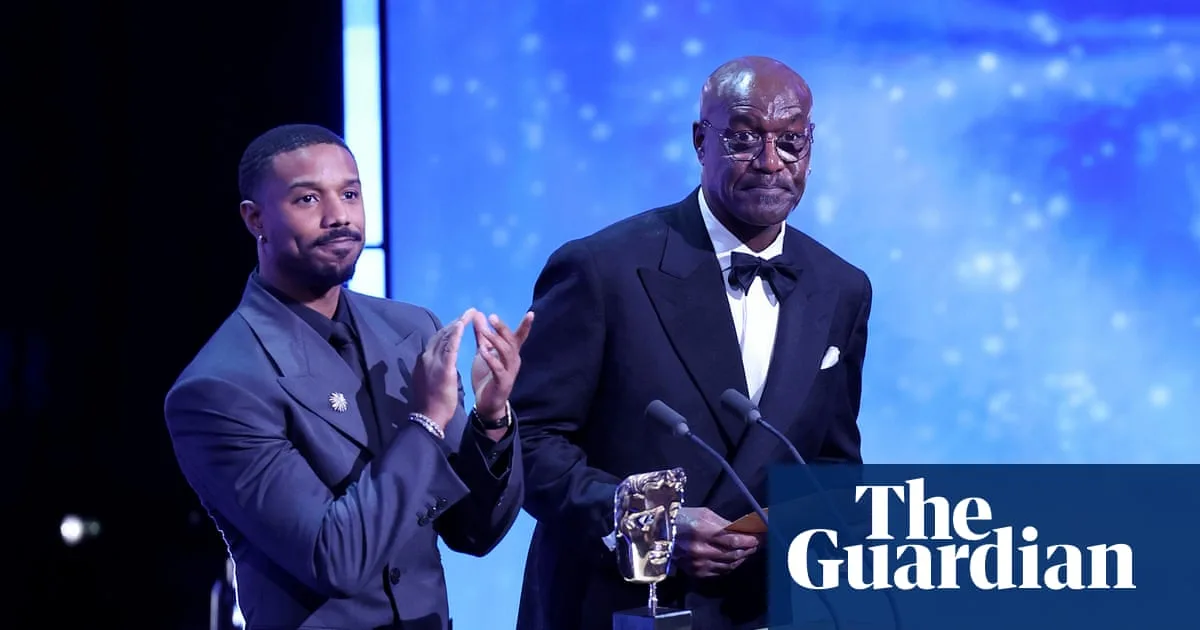
Tourette's campaigner John Davidson could be heard shouting as black Sinners stars Michael B Jordan and Delroy Lindo presented the special visual effects award at London's Royal Festival Hall on Sunday. Mr Davidson later expressed being 'deeply mortified if anyone considers my involuntary tics to be intentional or to carry any meaning', while the BBC apologised for not editing the outburst out.

Warner Bros, the film studio behind Sinners, reportedly raised immediate concerns about the incident and requested removal from the BBC broadcast. Questions are mounting over the handling of the situation and why the slur remained in both the live broadcast and subsequent iPlayer version for over twelve hours before being taken down at 11.30am on Monday.

Wide Pickt banner — collaborative shopping lists app for Telegram, phone mockup with grocery list

Internal BBC Communication

In a note to BBC staff, Ms Phillips wrote: 'I wanted to write to you following Sunday's Bafta Film Awards. I'm so sorry that a racial slur was not edited out of our broadcast. We understand how distressing this was. Award attendees were pre-warned about the possibility of involuntary verbal tics associated with Tourette Syndrome at the start of the show, and Alan Cumming addressed it during the broadcast.'

She continued: 'The edit team removed another racial slur from the broadcast. This one was aired in error and we would never have knowingly allowed this to be broadcast. We take full responsibility for what happened. When I was made aware it was audible on iPlayer, I asked for it to be taken down.'

Industry Reactions and Resignation

Warner Bros is understood to have spoken directly with Bafta staff following the incident, with representatives reassured their removal request would be passed on. Meanwhile, film-maker Jonte Richardson announced he is stepping down as a Bafta judge over the academy's handling of the situation.

In a LinkedIn statement, Mr Richardson said: 'After considerable soul-searching, I feel compelled to withdraw from the Bafta emerging talent judging panel. The organisation's handling of the unfortunate Tourette's N-word incident last night at the awards was utterly unforgivable. I cannot and will not contribute my time, energy and expertise to an organisation that has repeatedly failed to safeguard the dignity of its black guests.'

Campaigner's Response and Condition Explanation

Mr Davidson confirmed he chose to leave the auditorium early as he was 'aware of the distress my tics were causing'. He stated: 'I appreciated the announcement to the auditorium in advance of the recording, warning everyone that my tics are involuntary and are not a reflection of my personal beliefs. I was heartened by the round of applause that followed this announcement.'

According to the NHS, Tourette syndrome is a condition that causes people to make sudden, repetitive sounds or movements which, in rare instances, can result in offensive language being used that cannot be controlled. There is no cure but treatment can help manage tics.

Bafta's Official Statement

Bafta released a statement apologising for the incident, saying: 'At the Bafta Film Awards last night, our guests heard very offensive language that carries incomparable trauma and pain for so many. We want to acknowledge the harm this has caused, address what happened and apologise to all.'

The statement continued: 'We take the duty of care to all our guests very seriously and start from a position of inclusion. We took measures to make those in attendance aware of the tics, announcing to the audience before the ceremony began, and throughout, that John was in the room and that they may hear strong language.'

Pickt after-article banner — collaborative shopping lists app with family illustration

Political and Charity Responses

Dawn Butler, Labour MP for Brent Central, accused the BBC of 'an obvious bias' and a 'failure of duty of care', describing the broadcast as 'painful and unforgivable'. She has written to outgoing director-general Tim Davie requesting an explanation.

Charity Tourettes Action said it 'deeply understands' the harm of racial slurs but called for understanding of the condition, stating: 'It is vital that the public understands a fundamental truth about Tourette syndrome - tics are involuntary. They are not a reflection of a person's beliefs, intentions or character.'

The incident has sparked wider discussions about broadcast editing protocols, disability inclusion at major events, and the balance between accommodating medical conditions and preventing offensive material reaching audiences.




