
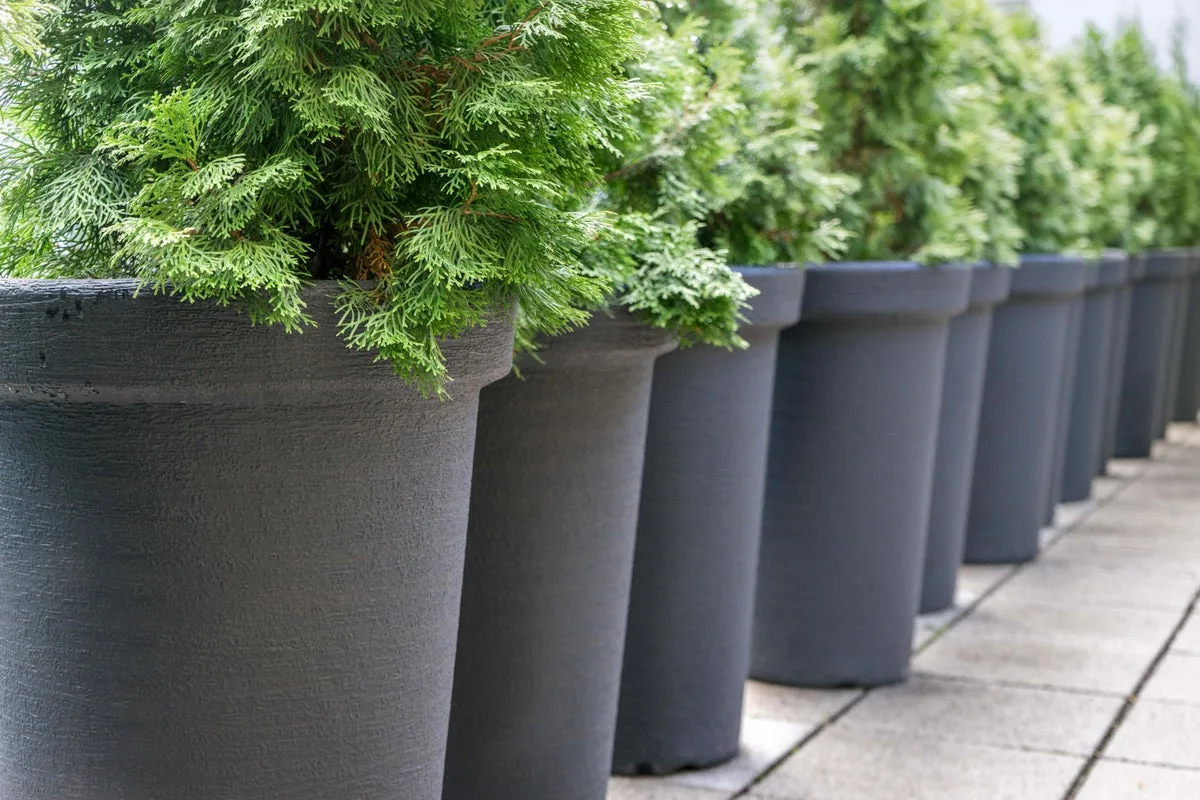
Conifers, often maligned due to the fast-growing leylandii hedges that cause neighbour disputes, can actually be a valuable addition to urban gardens, according to experts at Golden Grove Nursery. Zoe Large, family owner of the nursery, emphasises that many conifers are slow-growing, easy to prune, and well-suited to small spaces.
These plants offer structure, year-round colour, and environmental benefits. Large notes that after two years in the ground, conifers become carbon neutral, storing as much carbon as was used to produce them. Two years later, they become carbon positive, absorbing more carbon than their production required. They also support wildlife, providing nesting sites for birds, shelter for hedgehogs, and food for insects like butterflies and ladybirds.
Conifers are low-maintenance, thriving in most soils except heavy clay. For container planting, Sharon Goor, deputy manager, advises turning pots regularly to ensure even light exposure and watering two to three times a week in summer. They can remain in pots for two to three years before needing repotting and benefit from occasional feeding.
A wide range of conifers adds form and texture, with colours including blue, orange, yellow, and variegated varieties. Suitable choices for small gardens include columnar taxus varieties like Taxus standishii for height without width, or compact forms like Cupressus 'Totem' and Irish yew. For ground cover, Juniperus procumbens 'Nana' trails nicely over walls, while Thuja 'Teddy' forms a fluffy ball.
Conifers also offer seasonal colour changes: Thuja 'Fire Chief' has gold foliage in spring turning to red-tipped sage-green in autumn, and Chamaecyparis thyoides 'Rubicon' turns red in winter. For topiary, slow-growing Cupressus 'Wilma' with lemon-scented foliage or common yew are ideal for pots or small specimens.




