Bad Bunny's Super Bowl Half-Time Show Review: A Thrilling Ode to Boricua Joy
The Grammy-winning Puerto Rican megastar, Bad Bunny, delivered a powerful and detail-packed performance at the Super Bowl half-time show on 8 February 2026. His act paid profound tribute to his history while teasing more greatness for his future, creating a spectacle that resonated deeply with audiences worldwide.
Political and Cultural Backdrop
When the NFL announced in September that Bad Bunny would headline the Super Bowl half-time show, expectations were high for Benito Antonio Martínez Ocasio to make a significant statement. The decision sparked backlash from those who viewed a Spanish-language performance as un-American, despite Puerto Rico's status as a US territory. Additionally, critics argued that no performance on an NFL stage could meaningfully challenge the power structures artists accept by participating.
Amid peak Bad Bunny fandom, Puerto Ricans noted that many fans' investment in the island often ends with the artist. However, his 2025 album, Debí Tirar Más Fotos, served as a monumental entry documenting Puerto Rican struggle. It cautioned against the erosion of Puerto Rico for Puerto Ricans due to foreign tax incentives and economic displacement, honored Afro-Puerto Rican musical traditions like bomba and plena, and boosted the island's economy through a 31-show residency at el Coliseo de Puerto Rico.

The Performance: A Celebration of Community
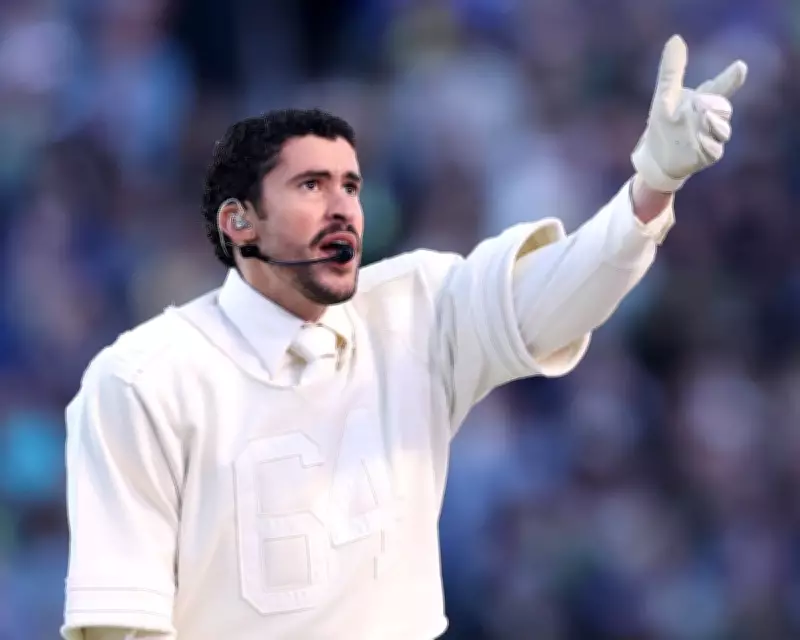
As Bad Bunny kicked off the "Benito Bowl," his biggest compromise seemed to be the number of words bleeped out of his verses. The show opened with a young man carrying a Puerto Rican flag before a sea of sugarcane, offering a benediction: "Qué rico es ser Latino. Hoy se bebe" ("How sweet it is to be Latino. Today we drink"). Dressed in a bespoke Ocasio jersey-suit-jacket emblazoned with his mother's birth year, 1964, Benito proved many correct with hits like Titi Me Preguntó.
He built an entire ecosystem of community onstage, featuring los viejos playing dominos, street vendors selling coco frío and piraguas, and boxers Xander Zayas and Emiliano Vargas. A man proposed to his girlfriend during Yo Perreo Sola, with Bad Bunny declaring, "Las mujeres en el mundo entero, perreando sin miedo" ("The women in the whole world, perreando without fear"). A star-studded yearbook included Karol G, Pedro Pascal, Cardi B, Jessica Alba, Young Miko, and Alix Earle.
Musical and Political Highlights
The performance seamlessly blended reggaetón's hardest hits, such as Safaera, with nods to Puerto Rican legends like Tego Calderón, Don Omar, and Daddy Yankee. A surprising guest, Lady Gaga, joined for a salsafied version of Die With a Smile and a beautiful Baile Inolvidable in Latine wedding style. Ricky Martin later electrified the crowd with Lo que le pasó a Hawaii.
One standout moment featured Toñita from Williamsburg's Caribbean Social Club, symbolizing resistance to developer displacement since 1974. Bad Bunny also delivered a stunning performance of El Apagón, running the light-blue flag of Puerto Rican independence across the field while performers on power lines evoked the island's frequent blackouts.
Political Statements and Legacy
Earlier in the broadcast, Bad Bunny used his Grammy acceptance speech to address the ongoing ICE occupation in Minneapolis, stating, "ICE out. We're not savage, we're not animals, we're not aliens. We are humans, and we are Americans." He acknowledged that immigration enforcement concerns influenced his decision not to tour the mainland US.
His performance emphasized that Puerto Rico cannot be subsumed into Americanness, highlighting the dispossession of Caribbean identity, labor, and slang. While the Super Bowl may never televise a revolution, Bad Bunny reminded millions of the love, community, and joy created daily in spite of adversity.
As he closed the show with "Seguimos aquí" ("We're still here") and spiked a football inscribed "Together, we are America," Bad Bunny solidified his legacy as a cultural icon who bridges music and activism with unparalleled flair.