Bad Bunny's Super Bowl 2026 Halftime Show: A Political Puerto Rican Fiesta
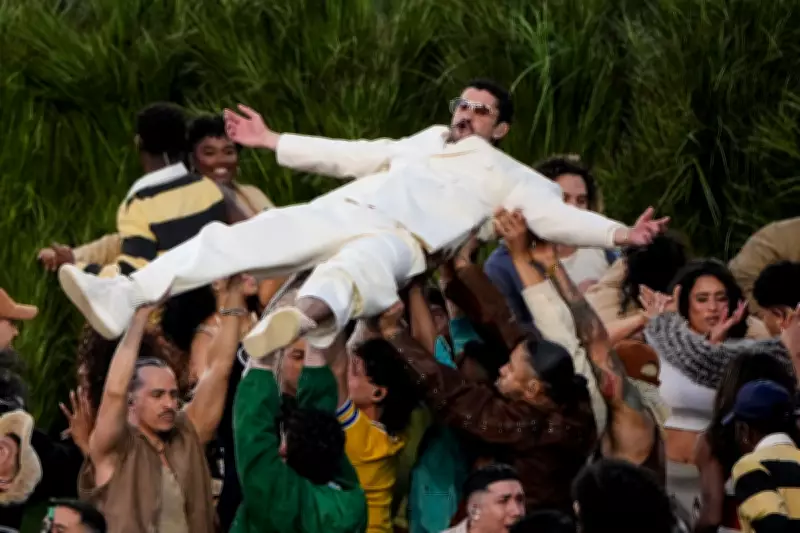
The 2026 Super Bowl halftime show transformed into a powerful cultural statement as Latin trap superstar Bad Bunny delivered an electrifying six-minute spectacle celebrating Puerto Rican heritage while confronting America's political divisions. In a performance that felt like Puerto Rico itself immigrating to the heart of the United States, Bad Bunny created a vivid tableau of his homeland's vibrant culture on the field of Santa Clara's Levi's Stadium.
A Battle of Pride Versus Intolerance
This year's halftime show continued the evolution of what has historically been a commercial platform into what is now the world's highest-profile stage for political protest. Following Kendrick Lamar's divided stars and stripes performance in 2025, Bad Bunny broke his recent US boycott to deliver his Grammy-winning album Debí Tirar Más Fotos to approximately 100 million viewers while exposing what he sees as the rot at America's core through the medium of Latin trap.
The performance represented a significant political stand, arriving at a time when Bad Bunny has become a symbol of America's anti-ICE backlash. In 2025, the artist canceled all his US dates to protect his Latino fan base from persecution, and his Super Bowl appearance has drawn criticism from MAGA supporters who labeled his background "un-American."

A Cultural Journey Through Puerto Rico
Bad Bunny's performance unfolded as a head-spinning tour through Puerto Rican culture, beginning with a sugar cane field populated by coconut sellers, dice players, boxers, and dancers. The artist, dressed in white, wandered through this colorful maelstrom while grabbing a cocktail from a street stall to the dembow beats of "Tití Me Preguntó."
The show progressed through multiple scenes of Puerto Rican life: the roof of a trap club collapsing on the performer, a traditional wedding salsa dancefloor featuring Lady Gaga performing "Die With a Smile," and a margarita street party filled with mariachi trumpeters. Throughout the performance, Bad Bunny spoke only two words in English: "God bless America."
Sharpening Political Commentary
As the show evolved, its political message grew more pointed. Ricky Martin appeared for "LO QUE LE PASÓ A HAWAii," reminding viewers of Latin pop music's deep roots in American culture. Bad Bunny paused to hand a Grammy to a child actor representing his younger self and later waved a Puerto Rican flag in a grove of sparking electricity pylons, finding pride in his homeland's resilience.
The performance culminated in a flag parade carnival for "DTMF" celebrating Central and South American countries and their growing influence on American life. This finale suggested a potential shift in the global musical zeitgeist from a nation folding in on itself to the vibrant Latin world.
Context and Contrast
The show occurred against a backdrop of cultural tension, with reports of disgusted bartenders in Nashville switching their televisions to Erika Kirk's alternative "All-American Halftime Show" headlined by Kid Rock. Even Green Day, who had called on ICE agents to quit their jobs at a San Francisco pre-game party, stripped potentially Trump-baiting lines from their opening medley.
Despite mainstream commercial concerns and cultural apprehension, Bad Bunny's Latin-to-the-max show proved as forthright and confrontational as Lamar's 2025 performance. The artist's effervescent, field-wide montage of Puerto Rican culture presented itself as a fundamental part of America's identity, challenging viewers to choose between multicultural celebration and bitter isolation.
As the performance concluded, it raised compelling questions: Did the ICE agents present stand by impotently as Bad Bunny became an icon of hate-defying unity? Or did they dance, even internally? The wild, inclusive fiesta represented what many would consider Old America at its best—a celebration of diversity and cultural pride in the face of growing intolerance.