Azerbaijan Accuses Iran of Drone Attack on Nakhchivan, Vows Retaliation
Azerbaijan Accuses Iran of Drone Attack, Vows Retaliation

Azerbaijan Formally Accuses Iran of Drone Attack on Nakhchivan Exclave

Azerbaijan has officially accused its neighbour Iran of conducting a drone attack on its territory, specifically targeting the Nakhchivan exclave. This significant development has raised serious concerns that the ongoing conflict in the Middle East is expanding into new regions. The Azerbaijani government has vowed to implement retaliatory measures in response to what it describes as an act of aggression.

Details of the Alleged Attack and Civilian Casualties

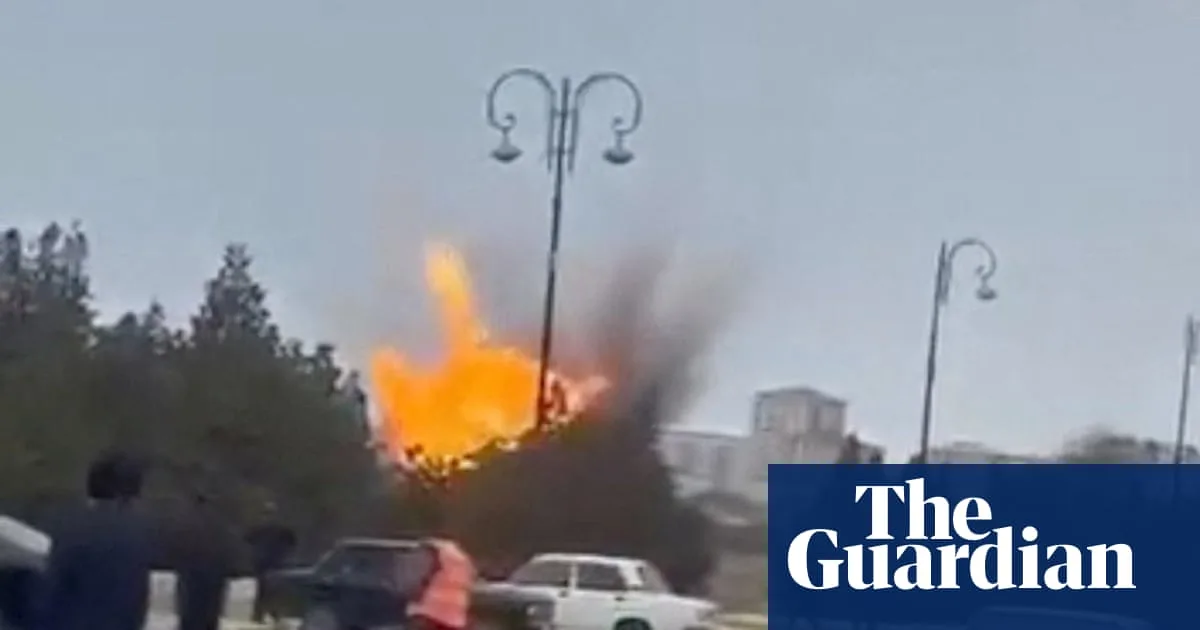
According to a statement released by Azerbaijan's Foreign Ministry, Iranian drones struck the Nakhchivan region, damaging an airport building and other civilian facilities. The Defence Ministry provided further details, indicating that four drones were fired by Iran toward Nakhchivan. While Azerbaijani forces managed to disable one of the drones, the others reportedly hit targets near a school where classes were in session.

The country's Prosecutor General's office confirmed that four civilians sustained injuries during the incident. It remains unclear whether the attack was a deliberate act or an accidental strike, though the targeting of civilian infrastructure has raised alarms.

Wide Pickt banner — collaborative shopping lists app for Telegram, phone mockup with grocery list

Official Statements and Diplomatic Protests

President Ilham Aliyev delivered a strong condemnation of the attack, characterising it as "a groundless act of terror and aggression" during a meeting of the Security Council. His remarks, carried by the Azertac news agency, included a direct demand for Iranian officials to provide an explanation, offer a formal apology, and ensure those responsible face criminal liability.

Aliyev explicitly instructed the Azerbaijani military "to prepare and implement retaliatory measures" in response to the incident. The Defence Ministry echoed this stance, vowing that Iran's "attacks will not go unanswered" and that a necessary response was being prepared to protect national sovereignty and civilian safety.

In a diplomatic move, the Foreign Ministry summoned the Iranian ambassador to Baku to lodge a formal protest. The ministry's statement asserted that Iran's actions contradict international law and contribute to heightened regional tensions, demanding that Tehran take urgent measures to prevent similar incidents in the future.

Geopolitical Context and Regional Relationships

Nakhchivan, an exclave separated from mainland Azerbaijan by a narrow strip of Armenian territory, holds significant strategic importance. Accounting for approximately 6% of Azerbaijan's territory, it borders both Turkey, a close ally of Baku, and Iran. This geographic positioning places it at the heart of complex regional dynamics.

The incident underscores the increasingly complicated relationship between Azerbaijan and Iran. In recent years, Baku has cultivated stronger military and economic ties with Israel and the United States, a development that has coincided with a perceived diminishment of Iranian influence in the South Caucasus region.

Analyst Mario Bikarski of Verisk Maplecroft noted that a proposed transit corridor through Armenia to Nakhchivan, part of a peace deal brokered with U.S. involvement, remains a significant point of contention for Tehran. This corridor, if realised, could reduce Iran's regional leverage by providing an alternative route that bypasses Iranian territory, potentially facilitating increased U.S. presence in the region.

Iran's Denial and Broader Regional Tensions

Iran's general staff of the armed forces has categorically denied launching any drone toward Azerbaijani territory. This denial follows a pattern where Iran has repeatedly rejected accusations of targeting civilian infrastructure in regional conflicts, despite evidence of its drone and missile systems striking such sites.

Tehran has expressed growing concerns about the potential for the United States and Israel to leverage ethnic minority groups within Iran to destabilise the country. With a substantial Azeri population in Iran, Tehran has previously accused Baku of permitting Israeli intelligence operations from Azerbaijani territory. Azerbaijan has consistently offered assurances that its territory will not be used for attacks against "neighbourly and friendly" Iran.

Pickt after-article banner — collaborative shopping lists app with family illustration

Recent Diplomatic Efforts and Condolences

Despite the current tensions, Azerbaijan had recently made efforts to maintain diplomatic channels with Iran. Following the killing of Iranian Supreme Leader Ayatollah Ali Khamenei in late February, President Aliyev sent a message of condolence to Iranian President Masoud Pezeshkian and personally visited the Iranian Embassy in Baku to offer condolences.

Foreign Minister Jeyhun Bayramov also engaged in discussions with his Iranian counterpart, expressing serious concern over regional escalation and reiterating that Azerbaijani territory cannot be used against Iran. These gestures highlight the delicate balancing act Baku must maintain in its foreign relations.

International Reactions and Regional Implications

Turkey, a key regional player and close ally of Azerbaijan, has condemned the drone attack. The Turkish Foreign Ministry issued a statement urging an immediate halt to strikes that target third countries in the region, warning that such actions increase the risk of the conflict spreading further.

Analyst Bikarski suggested that while tensions between Iran and Azerbaijan had somewhat decreased following Pezeshkian's election in 2024, Azerbaijan's close ties with Israel make it "a plausible target of hostile Iranian actions." He further noted that given one of the areas hit was a regional airport, it is likely Azerbaijan was deliberately targeted, though the exact intent behind the drone strikes remains uncertain.

The drone incident represents a significant escalation in regional tensions, testing the fragile diplomatic relationships in the South Caucasus. As Azerbaijan prepares its response and Iran maintains its denial, the international community watches closely, concerned about the potential for further conflict expansion in an already volatile region.




