Ayatollah Demands Trump's Blood in Retaliation for Sunken Iranian Warship
In a rare and inflammatory statement, a senior Iranian cleric has called for the "shedding of Trump's blood" in revenge for a US submarine attack that sunk an Iranian warship, as chaos continues to engulf the Middle East for a sixth consecutive day.
Violence Escalates Across the Region
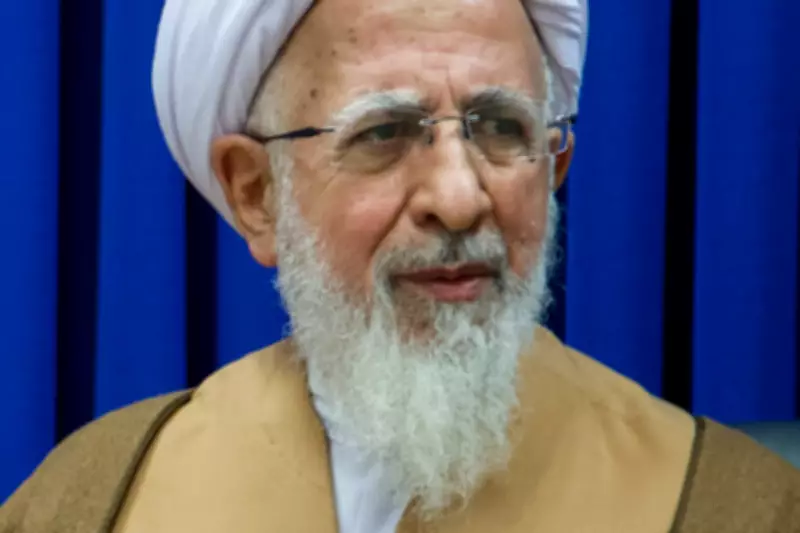
Ayatollah Abdollah Javadi Amoli declared that Washington would "bitterly regret" torpedoing the IRIS Dena in the Indian Ocean on Wednesday, an assault that killed at least 87 personnel and injured dozens more. The attack occurred in Sri Lankan waters, which the Ayatollah described as showing Iran was "on the verge of a great test."
Appearing on state television, he issued a rare call for violence from his high clerical rank, stating: "Fight the oppressive America, his blood is on my shoulders." He also demanded "the shedding of Zionist blood," referencing Israel, and warned: "Mark my words: The US will come to bitterly regret the precedent it has set."

Conflict Spreads Beyond the Middle East
The violence has rapidly expanded beyond the immediate region. On Thursday, Iranian drones struck an airport and school in Azerbaijan, prompting the country to vow to crush Tehran "with an iron fist" and close its airspace for twelve hours. Iran, which shares a 689km border with Azerbaijan, denied responsibility for these attacks.
Simultaneously, Iran launched a new wave of assaults on Israeli and American bases, with residents in Tehran reporting some of the most intense bombing of the conflict to date. The Israeli military responded by launching targeted attacks in Lebanon against the Iranian-backed Hezbollah militant group and announcing a "large-scale wave of strikes against infrastructure" in Iran's capital.
Humanitarian and Maritime Crises Deepen
The UN's refugee agency (UNHCR) reported that at least 38,000 people have fled from Lebanon into Syria following renewed fighting between Hezbollah and Israel, with around 84,000 internally displaced within Lebanon. The conflict has also severely disrupted maritime activities and global supply chains.
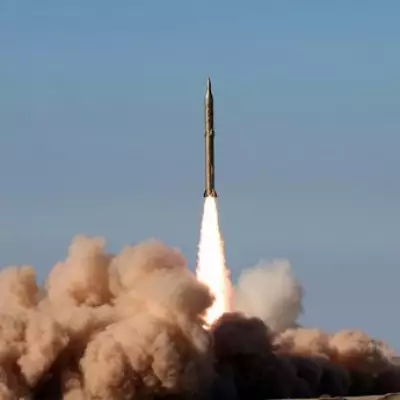
Iranian forces claimed to have set fire to a US tanker in the northern Gulf, while the Revolutionary Guards warned that any vessel passing through the strategic Strait of Hormuz would be under Tehran's control for the duration of the war. This development threatens to disrupt global oil supplies and cause chaos in energy markets. The UK Maritime Trade Operations reported a tanker anchored off Kuwait was hit by a "large explosion," with oil leaking from its cargo tank, though it remains unclear if this is the same incident.
Widespread Impact on Trade and Ports
The war has blocked access to major ports across the Gulf region, affecting food supplies for over 50 million people in an area heavily dependent on agricultural imports. According to MarineTraffic.com, container vessels destined for ports in the United Arab Emirates, Qatar, Saudi Arabia, Bahrain, and Kuwait are now stranded, exacerbating the humanitarian crisis.
Mounting Casualty Figures and Military Claims
Official reports indicate the conflict has killed more than 1,230 people in Iran, over 70 in Lebanon, and around a dozen in Israel. Iranian strikes on American military installations in the Gulf have resulted in the deaths of at least six US soldiers.
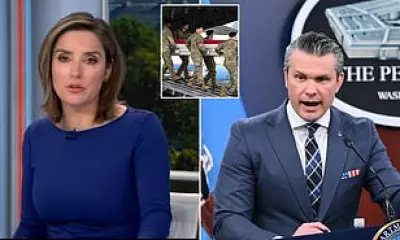
In the aftermath of the Dena sinking, US Defence Secretary Pete Hegseth boasted that the "Iranian navy rests at the bottom of the Persian Gulf" and noted it was the first torpedo sinking of an enemy vessel since World War II. US Central Command claimed on Thursday to have sunk more than 20 Iranian regime vessels "with overwhelming firepower from air, land, and sea," adding that US forces had reduced Iranian drone launches by 73% and ballistic missile launches by 86% over a four-day period.

Since President Donald Trump announced Operation Epic Fury, attacks have spread far beyond Iran, impacting American allies in the Gulf such as the United Arab Emirates, Saudi Arabia, Bahrain, and Oman, as well as Turkey, Azerbaijan, and Cyprus through drone assaults. A Sri Lankan cabinet spokesperson stated they were attempting to "safeguard lives" on a second Iranian ship that entered its territorial waters, highlighting the international ramifications of this escalating conflict.