Australia Issues Visas to Iranian Women Footballers Following Trump's Asylum Demand
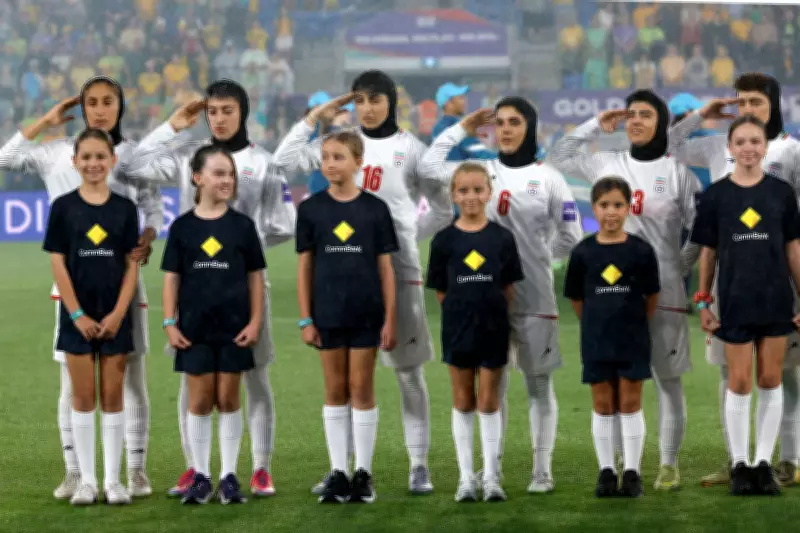
In a significant development, Australia has agreed to provide visas to five Iranian women's football players after former U.S. President Donald Trump urged the country to prevent what he termed a "terrible humanitarian mistake." This decision comes in the wake of the team's refusal to sing Iran's national anthem before a match, an act widely seen as a silent protest against the Iranian government.
Trump's Intervention and Humanitarian Concerns
Donald Trump publicly called on Australia to grant asylum to the players, warning that forcing them back to Iran could lead to severe consequences, including potential harm. In a statement on Monday, Trump emphasized, "Australia is making a terrible humanitarian mistake by allowing the Iran National Woman’s Soccer team to be forced back to Iran, where they will most likely be killed. Don’t do it, Mr. Prime Minister, give ASYLUM. The U.S. will take them if you won’t." This intervention highlighted the international concern over the players' safety, especially after Iranian state television labeled them as "traitors," raising fears of retaliation upon their return.
Australian Government's Response and Player Decisions
Home Affairs Minister Tony Burke later confirmed that the soccer players were welcome to remain in Australia, with five individuals expressing a desire to stay. The team is currently in Australia participating in the Asian Cup tournament, which provided the context for this diplomatic and humanitarian issue. Trump had earlier noted that some players felt compelled to return to Iran due to concerns about their families' safety, underscoring the complex pressures faced by athletes in such situations.

The granting of visas represents a critical step in protecting these athletes from potential persecution, aligning with global calls for human rights and freedom of expression. This incident sheds light on the broader challenges faced by women in sports under restrictive regimes, and it underscores the role of international diplomacy in safeguarding vulnerable individuals. As the situation unfolds, it remains a poignant example of how sports can intersect with political and humanitarian issues on the world stage.