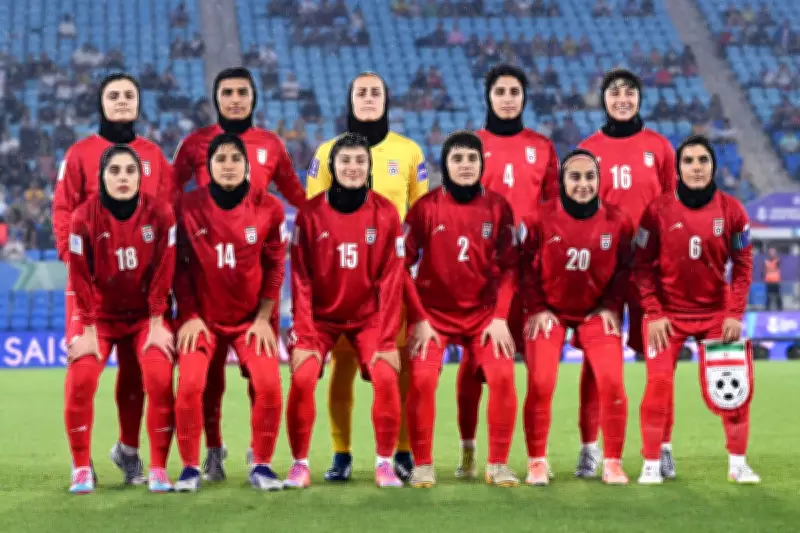
Australia Grants Asylum to Five Iranian Women Footballers After Asian Cup Controversy
Australia has officially granted asylum to five members of Iran's women's national football team, following significant international pressure and fears over their safety. Home Affairs Minister Tony Burke confirmed the decision, which came after the players did not sing Iran's national anthem before their opening match at the Women's Asian Cup in Gold Coast.
Political Pressure and Humanitarian Response
The situation escalated when former United States President Donald Trump publicly urged Australia to act, warning that the players could face severe persecution if forced to return to Iran. "The US will take them if you won't," Trump stated on his Truth Social platform, adding that Australia would be making a "terrible humanitarian mistake" by allowing their return.
Following direct phone discussions between Trump and Australian Prime Minister Anthony Albanese, Burke announced that the formal process for the five players to remain in Australia had been completed. "Last night I was able to tell five women from the Iranian Women's Soccer team that they are welcome to stay in Australia, to be safe and have a home here," Burke posted on social media platform X.
Safe Location and Visa Processing
Reports emerged on Monday that Australian Federal Police had assisted five squad members in leaving their team base and entering a secure safe house after Iran's elimination from the tournament on Sunday. Speaking at a press conference in Brisbane, Burke confirmed "the five players had been moved to a safe location by the Australian Federal Police" where their meeting took place.
The humanitarian visa applications were processed overnight, with Burke signing off on the paperwork and the Department of Home Affairs completing the administrative process by 1:30 am. The minister extended the same opportunity to other team members, though some reportedly feel compelled to return to Iran due to concerns about family safety and potential threats against relatives.
International Context and Football Implications
FIFA, football's world governing body, confirmed on Monday that it was in "close contact" with Australian authorities regarding the team, emphasizing that player safety and security remained their top priority. The players' initial decision not to sing the anthem drew criticism from supporters of the Iranian regime, though they did participate in anthem ceremonies during their subsequent two matches.
The geopolitical situation has created additional complications throughout the region, with recent air strikes by the Trump administration and Israel prompting retaliatory attacks by Iran on Gulf states hosting US military bases. This has resulted in travel and administrative issues that threaten to disrupt Iraq's World Cup play-off match scheduled for March 31 in Mexico.
Iraq's Australian coach Graham Arnold has proposed alternative arrangements, suggesting the match could be played the week before the finals in June against Bolivia or Suriname, with the winning team remaining in North America. Arnold told the Australian Associated Press that this would allow more time for decisions regarding Iran's World Cup participation, potentially creating a scenario where Iraq could replace Iran in the tournament and the UAE could take Iraq's place in the play-offs.