Argentina's Asylum Decision for Brazilian Rioter Ignites Political Firestorm
In a controversial move with far-reaching implications, Argentina has granted asylum to a Brazilian fugitive convicted for his involvement in the violent pro-Bolsonaro riots of January 2023. This decision, analysts assert, could significantly influence Brazil's forthcoming presidential election, injecting fresh volatility into an already heated political landscape.
The January 2023 Insurrection and Its Aftermath
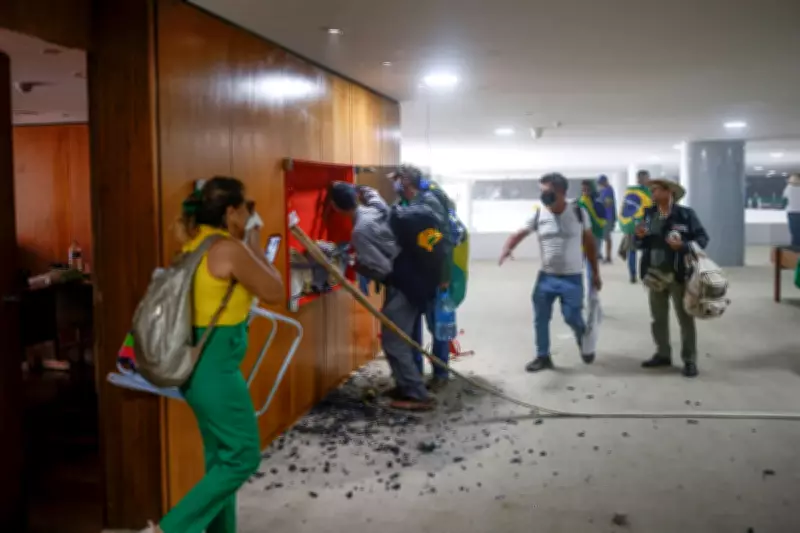
On 8 January 2023, just one week after Luiz Inácio Lula da Silva assumed the presidency of Brazil, hundreds of supporters of former president Jair Bolsonaro stormed key government buildings, including the congress, presidential palace, and supreme court. Their aim was to overturn Bolsonaro's electoral defeat, in what investigators later described as a coordinated plot to stage a coup. The aftermath saw hundreds of rioters sentenced to prison terms of up to 17 years for vandalism and insurrection, with Bolsonaro and his inner circle also facing convictions for their roles in the scheme.
Following the inauguration of rightwing libertarian Javier Milei as Argentina's president in December 2023, dozens of these convicted individuals fled to Argentina. In 2024, Brazil formally requested the extradition of 61 citizens, leading to the arrest of five by Argentine federal police and a subsequent extradition order in December.

Asylum Granted to Joel Borges Correa
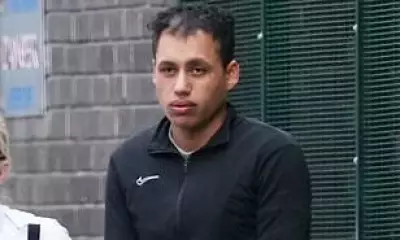
This week, however, the situation took a dramatic turn when Joel Borges Correa, a 47-year-old truck driver, was informed that Argentina's refugee commission (Conare) had ruled in favour of granting him asylum. Borges Correa was among 196 Brazilians who sought refugee status in Argentina in 2024, according to official data. In his testimony, he claimed he participated in the riots to protest against what he described as "Lula's projects in favour of abortion and the legalisation of drugs"—policies that have not been enacted. Arrested inside the Planalto presidential palace, he was later sentenced to 13 years and six months in prison.
In April 2024, in a bid to evade arrest, Borges Correa cut off his ankle monitor and fled to the Argentine border with three other fugitives. Conare concluded that he faced discrimination and persecution due to his political opinions, which it inferred from his involvement in the 8 January mobilisation, stating that the "Brazilian state is the main persecuting agent." His lawyer, Pedro Gradin, emphasised, "There is a very evident human rights issue, a matter of political persecution. With asylum granted, he will regularise his immigration status. Now they must release him and remove his ankle monitor so that he can live his life like any other citizen."
Political Repercussions and Election Dynamics
The asylum ruling has sent shockwaves through Brazilian political circles, with many viewing it as a potential catalyst for broader electoral consequences. Maurício Santoro, a political scientist and professor of international relations, noted, "Brazil is about to begin its election campaign, and this year's election will be more difficult for President Lula than it seemed a few months ago." Brazil's presidential election is scheduled for October, with opposition candidate Flávio Bolsonaro, another son of the former president, gaining traction in recent polls. Santoro added, "There is a real possibility that [Bolsonaro] could win. And that changes the political calculations of Milei's government."
He further suggested that Milei, alongside other conservative leaders recently elected in neighbouring countries, might see an opportunity to "cause a political problem for Lula." The Brazilian opposition, which has advocated for amnesty for Bolsonaro and others involved in the riots, may now leverage Borges Correa's asylum case as evidence that the events were not a coup attempt. Santoro predicted, "I think it will become an important issue for the opposition during the election campaign."

In a video shared on social media, national deputy Eduardo Bolsonaro, one of Jair Bolsonaro's sons, hailed the ruling as a "victory of freedom" and expressed gratitude to Milei. He controversially claimed, "It's impossible that these people could have carried out a coup d'état without weapons, without anything, on a January Sunday, when everyone knows it was vacation time in Brazil," while falsely asserting that his father had been at Disney World during the riots.
Diplomatic Strains and Future Implications
The decision has reportedly caught Brazilian authorities off guard, with a source in the Brazilian government, who requested anonymity, stating, "The Milei administration is starting to get involved in Brazil's elections." This development underscores the deepening diplomatic tensions between the two nations and raises questions about the potential for similar asylum grants to other fugitives. As the election season intensifies, this case is poised to remain a focal point of debate, highlighting the intricate interplay between domestic politics and international relations in South America.