American Public Expresses Strong Opposition to US-Israel Military Action in Iran
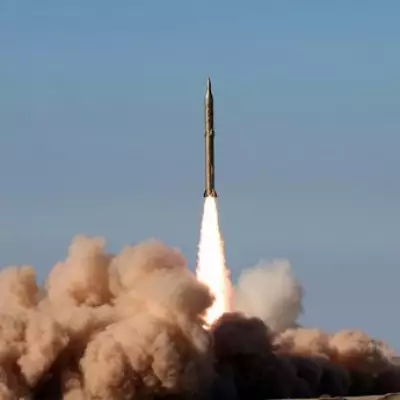
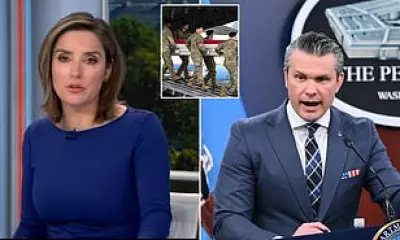
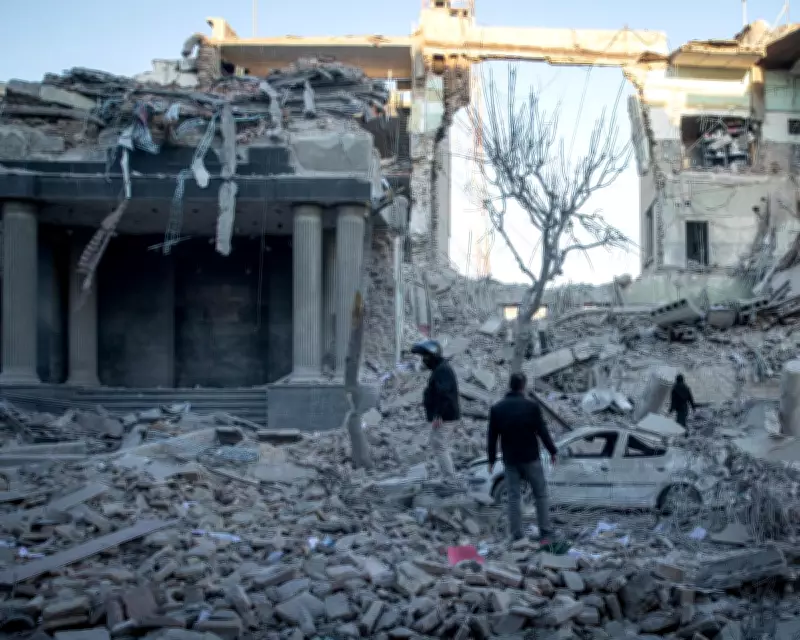
A recent survey conducted by The Guardian has revealed significant disapproval among United States citizens regarding the military strikes carried out by US and Israeli forces against targets in Iran. The attacks, which occurred on 28 February 2026 and included a strike on a police station in Tehran, have resulted in hundreds of civilian casualties alongside some US service member deaths.
Voices of Concern from Across America
The responses collected from American readers painted a picture of deep concern and frustration. Iraj Roshan, a 66-year-old retired cardiologist and US citizen originally from Tehran, expressed his conflicted feelings. "I don't have any love lost for the ayatollahs," Roshan acknowledged, "but these wars are won by narrative." Having fled Iran after the revolution and lived in the US since 1983, Roshan questioned the strategic thinking behind the military action.
"I don't see any way this war is going to end in a way that the US can declare victory without putting boots on the ground or without arming the Iranians themselves," he warned. "I hate to see that so many American kids are going to be eventually dragged into a war that we cannot win."

Community Impacts and Political Context
In Brooklyn's Bay Ridge neighborhood, home to New York City's largest Arab community, Meg, a 41-year-old small business owner, described the emotional toll on her community. "For a lot of my Muslim friends, this is their favorite time of year," she said, referring to the ongoing Ramadan period from 17 February to 19 March. "So to have this renewed tragedy strike in the middle of that breaks my heart."
Meg highlighted the compounding fears her neighbors have experienced, from ICE raids to the recent military strikes. "How much can people take? How much suffering has to be inflicted on them for mindless reasons?" she questioned.
The political backdrop to these events includes former President Donald Trump's historical stance against foreign military intervention. During his 2016 campaign, Trump stated: "We will stop racing to topple foreign regimes that we know nothing about." This position was reiterated throughout his subsequent campaigns, with his allies warning against what they characterized as Democratic tendencies toward military engagement.
Diverse Perspectives on Intervention
Barb, a 74-year-old retired mental health counselor from North Carolina, offered a blunt assessment: "We can be sure that Trump has launched this war for selfish purposes. Whether to flaunt his power, to control the headlines, or to entertain himself, this needless war is not for the benefit of the Iranian people."
However, not all responses were uniformly critical of intervention. Sriram Shanmugam, an 18-year-old Texas Republican whose father escaped during the Iranian revolution, acknowledged the problematic nature of the Iranian regime. "The regime is a very controlling and horrible thing," he shared.
Yet Shanmugam expressed concerns about execution and aftermath: "The US is not doing much to minimize civilian casualties, and we have no real plan after we finish this operation. What will replace the government of Iran? Is there any guarantee that this won't be our generation's Afghanistan or Iraq?"
Broader Consequences and Domestic Priorities
A 47-year-old Washington social worker, who requested anonymity, highlighted the potential human cost for American service members. Having worked extensively with combat veterans from Iraq and Afghanistan, she noted: "Those wars turned millionaires into billionaires and created a lifetime of emotional and physical pain for those who served."
She also pointed to pressing domestic issues facing Americans: "People in our country are suffering on the streets, homeless, without health insurance, without hope. And this is where the government focuses its money and energy?"

The collective responses suggest significant public skepticism about the wisdom and execution of the military action, with many Americans questioning both the strategic rationale and the human costs of renewed military engagement in the Middle East.