Allies Reject Trump's Demand for Hormuz Support Amid Escalating Conflict
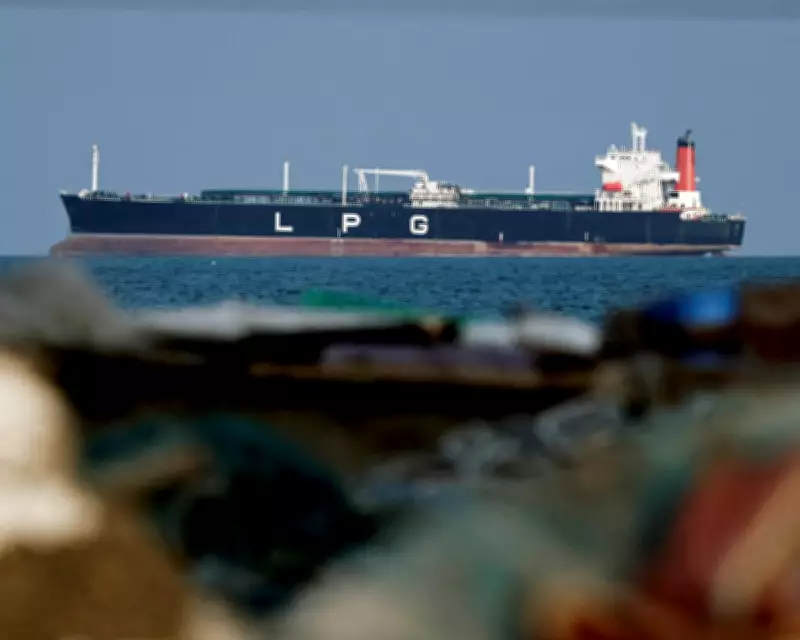
As tensions rise in the Middle East, European countries have firmly resisted former US President Donald Trump's urgent call for assistance in securing the Strait of Hormuz. This strategic waterway, the world's busiest shipping route, has been effectively blockaded by Iran amid an escalating US-Israeli war. Trump had appealed to the UK, China, France, Japan, South Korea, and other nations to deploy ships, warning that failure to help could severely damage NATO's future. However, allies appear reluctant to be drawn into the conflict, signaling a potential rift in international cooperation.
Iran's Stance and Regional Developments
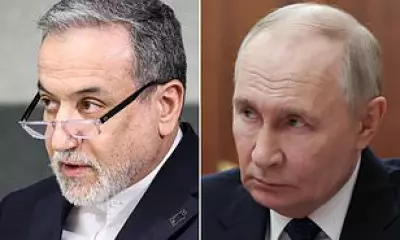
Iranian Foreign Minister Abbas Araghchi countered Trump's claims, stating that the blockade specifically targets vessels from the US, Israel, and their allies, not all maritime traffic. In a show of solidarity, Iran has thanked Pakistan after an oil tanker successfully navigated the strait and is now en route to Pakistani shores. Meanwhile, the region faces heightened violence, with a drone attack on an industrial oil facility in Fujairah, UAE, sparking a fire on Monday. Israeli military forces have launched extensive strikes on Iranian cities, including Tehran, Shiraz, and Tabriz, while initiating what they term "limited ground operations" against Hezbollah in southern Lebanon.
Civilian Impact and Broader Attacks
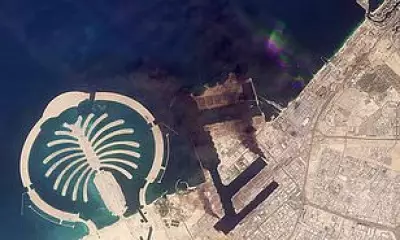
The humanitarian toll is mounting, as Israeli attacks in Lebanon have resulted in significant civilian casualties, with the Lebanese health ministry reporting 850 deaths since March 2. These strikes followed Hezbollah's rocket fire into Israel. In a separate incident, debris from an intercepted projectile fell across several cities near Tel Aviv, such as Shoham, Rishon LeZion, Lod, and Ness Ziona, though no injuries were reported. Iranian drone assaults have further disrupted the region, temporarily shutting down Dubai airport and damaging a key oil facility in the UAE. The UAE defence ministry confirmed attacks involving six ballistic missiles and 21 drones originating from Iran, while Saudi Arabia intercepted three drones over Riyadh this morning, without attributing their source.
The situation remains volatile, with international allies hesitant to engage directly, underscoring the complex dynamics of the US-Israeli war on Iran and its far-reaching consequences for global security and trade.