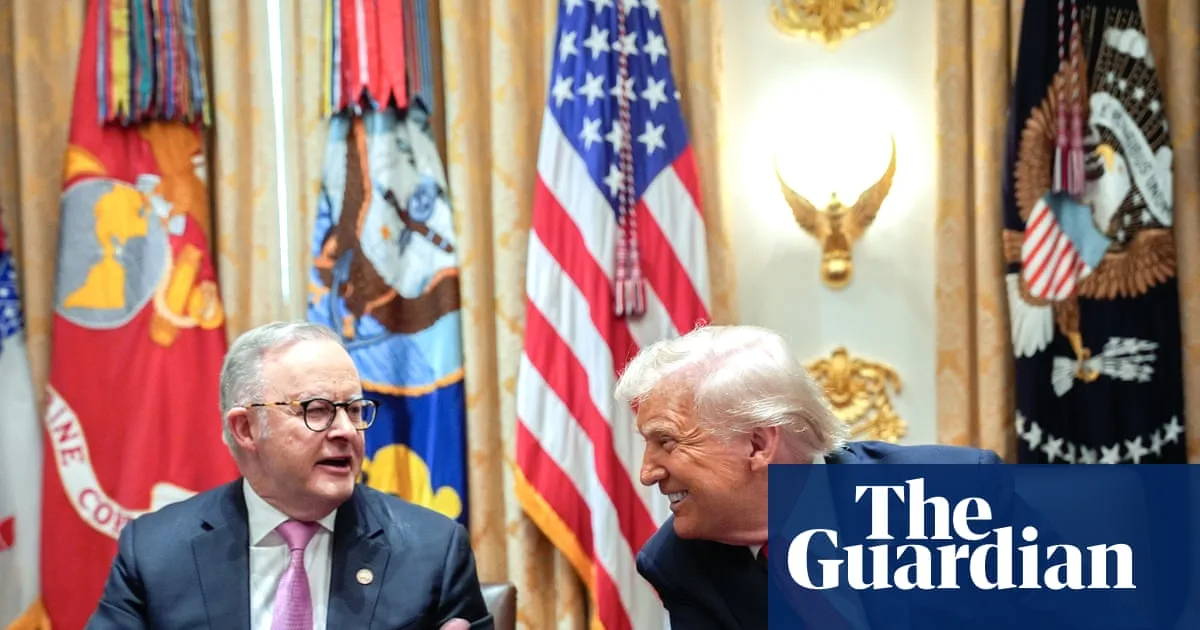
Albanese Rejects Trump's Claims on Australia's Role in Strait of Hormuz Crisis
Albanese Rejects Trump's Claims on Australia's Hormuz Role

Albanese Rejects Trump's Claims on Australia's Role in Strait of Hormuz Crisis

Prime Minister Anthony Albanese has firmly rejected claims made by former US President Donald Trump that Australia is not "getting involved" in efforts to reopen the strategically vital Strait of Hormuz. The waterway, which handles approximately 20 per cent of the world's oil supply, was closed by Iran following US and Israeli strikes targeting the Supreme Leader in late February, sparking weeks of regional conflict.

Trump's Criticism and Albanese's Rebuttal

During a press engagement on Friday, Trump expressed surprise that Australia, Japan, and South Korea had not been more actively involved in his military actions in the Middle East. "Well, they should get involved, and I was a little bit surprised that they said no, because we always say yes to them," the former President stated.

However, Prime Minister Albanese categorically rejected these assertions during a detailed press conference on Saturday. "The truth is that we have said yes to the request of the UAE for the E7 Wedgetail aircraft that's operating there with personnel," he told reporters. "In addition to that, we've sent AMRAAM (advanced medium-range air-to-air missiles) that are making a difference as well to intercept missiles or drones aimed at the UAE."

Wide Pickt banner — collaborative shopping lists app for Telegram, phone mockup with grocery list

Albanese emphasised that Australia has fully complied with all requests for support. "So, we continue to provide the support we've been asked to support. We have done what we have been asked to do."

Diplomatic Efforts and Joint Statement

The Prime Minister also highlighted Australia's diplomatic contributions to the crisis. He confirmed that Australia has signed a joint statement, coordinated by the British government, which aims to ensure the Strait of Hormuz remains open for international navigation.

"We've signed up to the statement that's been issued," Albanese said. "That speaks about the work that we're doing to ensure the Strait of Hormuz remains open. That's critical."

The statement, endorsed by 22 countries including New Zealand, Japan, and Canada:

  • Condemns recent attacks by Iran on unarmed commercial vessels in the Gulf.
  • Denounces assaults on civilian infrastructure, including oil and gas installations.
  • Criticises the unilateral closure of the strait by Iran.

It further declares the signatory nations' readiness to assist in ensuring the safe passage of ships through this crucial maritime corridor.

Economic Impact and Domestic Response

The closure of the Strait of Hormuz has triggered significant global economic repercussions. Oil prices have soared, and worldwide supplies have been severely disrupted, leading to increased pressure on fuel supply chains amid rising demand.

In response to these supply chain challenges, the Australian Competition and Consumer Commission (ACCC) has granted an urgent interim authorisation to members of the Australian Institute of Petroleum. This permits companies to discuss, exchange information about, and coordinate on fuel supply without breaching competition laws, though strict prohibitions on sharing pricing information remain in place.

ACCC Chair Gina Cass-Gottlieb explained the rationale: "We recognise how critical it is that industry is able to quickly and efficiently coordinate and respond to the supply chain disruptions we are experiencing." She noted that the authorisation includes stringent conditions to mitigate risks to competition.

Treasurer Jim Chalmers issued a stern warning to fuel suppliers: "It's really important the big players in the fuel markets don't treat this as a chance to disadvantage the independents who play a vital role, including in regional Australia." He added, "The government is working with industry and regulators to ensure Australians get a fair go at the pump and in the supply chain, and anyone breaking the rules must have the book thrown at them."

The ACCC has imposed additional conditions on the authorisation specifically designed to protect and maintain independent fuel distribution networks across the country.

Pickt after-article banner — collaborative shopping lists app with family illustration




