Albanese Stands Firm Against Trump's Demands for Military Support in Iran Conflict
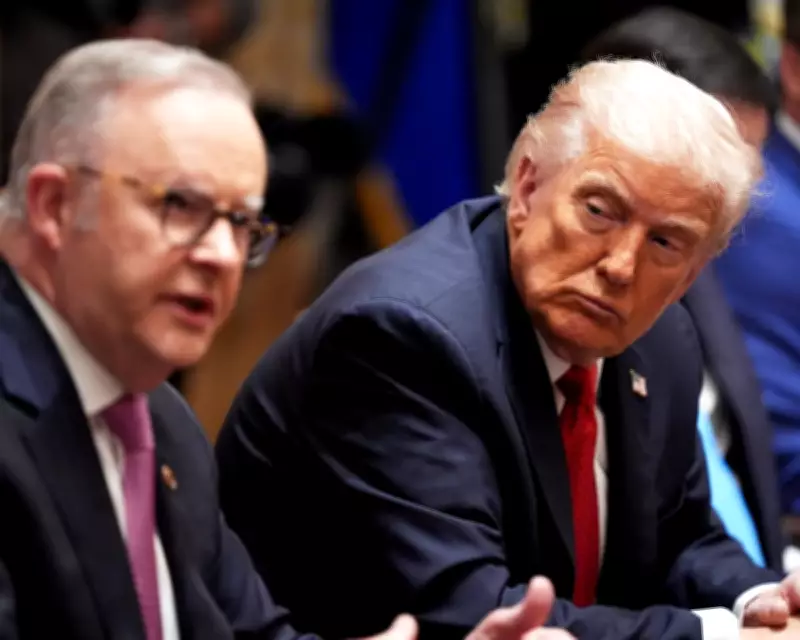
Prime Minister Anthony Albanese has robustly rejected criticism from former US President Donald Trump over Australia's refusal to provide military assistance in the ongoing conflict between the United States, Israel, and Iran. Trump's remarks, part of a broader tirade against NATO allies, targeted Australia for its perceived lack of support, but Albanese's response underscores a strategic stance amid rising global tensions.
Trump's Criticism and Global Backlash
In recent statements, Trump has lambasted allies, including the United Kingdom and Australia, for not committing troops or resources to the volatile situation in the Strait of Hormuz. He expressed surprise at Australia's decision, given its historical alignment with US military efforts. However, this criticism has been met with resistance from multiple quarters, with leaders like British Prime Minister Keir Starmer asserting their independence from US pressure.
Trump's approach has been characterized as bluster and bullying, with little effect on allied nations who are increasingly wary of escalating a conflict that threatens global economic stability. The crisis has already impacted oil markets, with Iran leveraging its control over key shipping lanes to exert pressure internationally.

Australia's Diplomatic Tightrope
The Albanese government finds itself navigating a complex diplomatic landscape, balancing Australia's long-standing security reliance on the United States against the risks of supporting a conflict with no clear resolution. Officials, including Deputy Prime Minister Richard Marles, have offered cautious statements, avoiding direct confrontation while emphasizing the need for diplomatic solutions over military action.
This stance reflects a broader shift in Australian foreign policy, as the government seeks to protect national interests without being drawn into unpredictable and costly engagements. The international rules-based order, often cited in Australian diplomacy, is under strain, prompting calls for a new framework to address contemporary challenges.
Global Reactions and Strategic Implications
Other world leaders have voiced concerns over Trump's handling of the crisis. At events like Davos, Canadian Prime Minister Mark Carney highlighted the consequences of US unilateralism, while German Defence Minister Boris Pistorius criticized the lack of a coherent exit strategy. In contrast, Australia's response has been more measured, focusing on dialogue and restraint.
Iran's actions, mirroring Trump's unpredictability, have further complicated the situation. By imposing energy restrictions and other asymmetric measures, Iran is testing the resolve of global powers, forcing allies like Australia to reassess their strategies. The Albanese government is now advocating for diplomatic engagement over military force, urging the US to prioritize brain over brawn in its approach.
Conclusion: A Test of Australian Agency
Albanese's refusal to capitulate to Trump's demands signals a growing assertion of Australian sovereignty in foreign affairs. By brushing off criticism and advocating for peaceful resolution, the government aims to avoid being taken for granted while safeguarding economic and strategic interests. This episode underscores the challenges of maintaining alliances in an era of shifting global dynamics, where petulance must be met with principled resistance.