
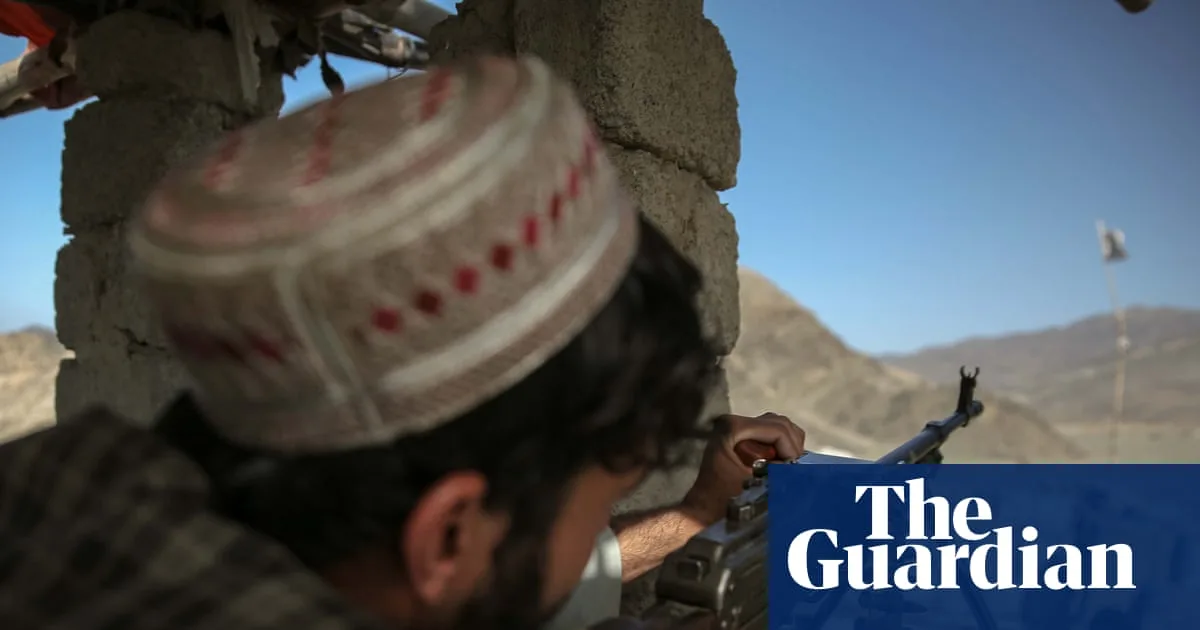
Afghanistan has said it thwarted Pakistani airstrikes on Bagram airbase, the former US military facility north of Kabul, as cross-border clashes entered a fourth day. The police headquarters of Parwan province, where Bagram is located, stated that several Pakistani jets entered Afghan airspace early Sunday and attempted to bomb the base. Afghan forces responded with anti-aircraft and missile defence systems, successfully repelling the attack. Pakistan has not commented on the claim.
The fighting, which began Thursday, has seen both sides exchange fire along the border and from the air. Pakistan declared it is in 'open war' with Afghanistan and acknowledged bombing key cities including Kabul and Kandahar. The Taliban government's deputy spokesperson, Hamdullah Fitrat, said Pakistani fire had killed 36 civilians since Thursday, a figure Islamabad has not addressed.
Diplomatic efforts by Saudi Arabia and Qatar have failed to secure a truce. The conflict has alarmed the international community due to the presence of militant groups like al-Qaida and Islamic State in the region. Pakistan accuses Afghanistan of harbouring groups such as the Tehreek-e-Taliban Pakistan (TTP), which has escalated attacks in Pakistan since 2021. The Taliban government denies these allegations.
Casualty claims remain disputed. Pakistan's information minister said 415 Afghan soldiers had been killed and 12 Pakistani soldiers lost. The Taliban government claims over 80 Pakistani soldiers killed and 27 military posts captured, while acknowledging 13 of its own troops dead. Independent verification of these figures is difficult.
Sporadic clashes were reported in Khost, Nangarhar, and Paktia provinces on Sunday. The Torkham border crossing saw overnight fighting, according to local officials. Analysts note this escalation marks the first time Pakistan has targeted Afghan government facilities, a significant shift from previous operations focused on militants.




