Influential Palestinian activist Issa Amro, recently nominated for a Nobel Peace Prize, has described an intense campaign of harassment and intimidation by armed Israeli settlers and soldiers that he believes was triggered by his appearance in Louis Theroux's BBC documentary about the West Bank.
A Life Under Siege in Hebron
Issa Amro, a 45-year-old community leader from the Tal Rumeida area of Hebron, has lived in his home for nearly two decades. However, he now states he no longer feels safe there. "I don't feel safe in my own house," Amro told The Independent. "I always have nightmares that they will come into my house and shoot me."
The activist, who was listed in TIME magazine's Time100 Next 2025, believes the targeting intensified significantly after he participated in Theroux's film, The Settlers, which spotlighted the plight of Palestinians. "They started hating me more after I appeared in the BBC documentary with Louis Theroux," he said. "They hated me much more since then."
A Terrifying 12-Hour Ordeal
The situation reached a critical point between 7 and 8 October 2025. Over a harrowing 12-hour period, Amro's home was attacked three times.
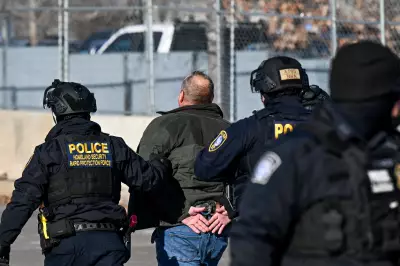
On the afternoon of 7 October, Israeli soldiers forced their way into his property and detained his childhood friend and neighbour, Mohammed Natsheh, who was house-sitting. CCTV footage shows Natsheh being dragged away after attempting to film the officers. He was released to a Palestine Red Crescent Society ambulance seven hours later, beaten and barred from returning to the area, forcing him to relocate.
Later that same day, footage shows several Israeli settlers, accompanied by armed soldiers, surrounding Amro's home for hours. They taunted him about his brother's death and falsely claimed his son had been arrested.
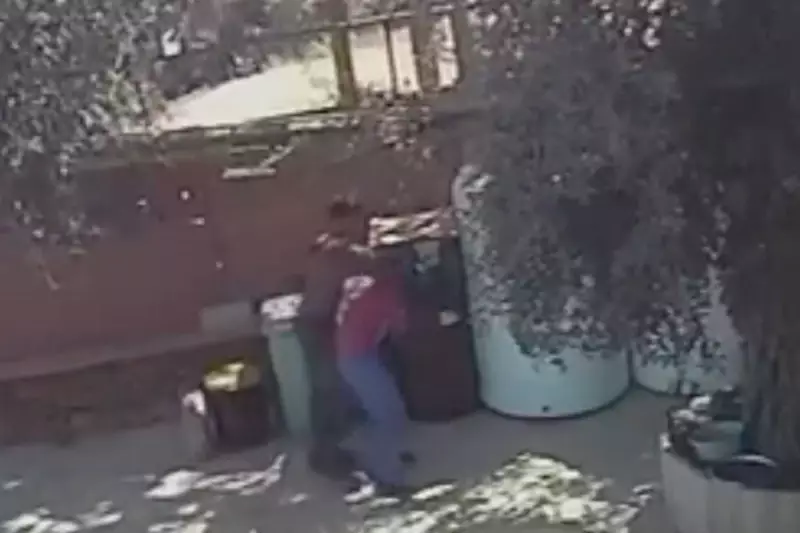
The harassment continued into the early hours of 8 October. Around 1:50 am, Amro was startled by sounds of his door being tampered with. CCTV captured a group of armed settlers outside his gates. Damningly, the footage appears to show one settler climbing his wall to remove a security camera, an act watched by an Israeli soldier who did nothing to intervene. The assailants then threw rocks at Amro before soldiers entered his home to arrest him under false accusations of rock-throwing.
International Witnesses and Official Responses
German citizens Michael and Sabine Friedrich, aged 55 and 60, were staying with Amro and witnessed the events. "It seemed like they were going to kill him," Mr Friedrich stated. "They were armed with what seemed like M16s. They emerged from the bushes, and it seemed like an ambush. They behaved worse than any school bullies I've ever seen."
The Israeli Defence Forces (IDF) provided conflicting statements. Regarding Natsheh's detention, they claimed he "fainted" and was evacuated for medical treatment. For the settler attack, they described it as a "friction" that was separated by soldiers until police arrived. The IDF also denied claims that Amro's home was declared a "closed military zone," despite Amro being presented with maps and having friends ordered to leave.
Amro believes the coordinated campaign is designed to intimidate him into ceasing his activism and abandoning his home. He contacted Israeli police, who failed to act, and they have not responded to requests for comment.
A Wider Pattern of Escalating Violence
This intimidation is not an isolated incident but part of a broader, escalating pattern of violence in the West Bank. Over 1,000 Palestinians have been killed in the West Bank since 7 October the previous year, with residents reporting the situation worsens daily.
Recent months have seen a ten-year-old boy shot dead by Israeli forces and viral footage of an elderly woman being clubbed by settlers. In a significant political move, the Knesset preliminarily approved internationally condemned plans to annex the West Bank on 23 October.
This surge in settler violence has drawn condemnation from the United Nations and the governments of the UK, US, France, Germany, and Italy, highlighting the grave and deteriorating human rights situation in the occupied territory.