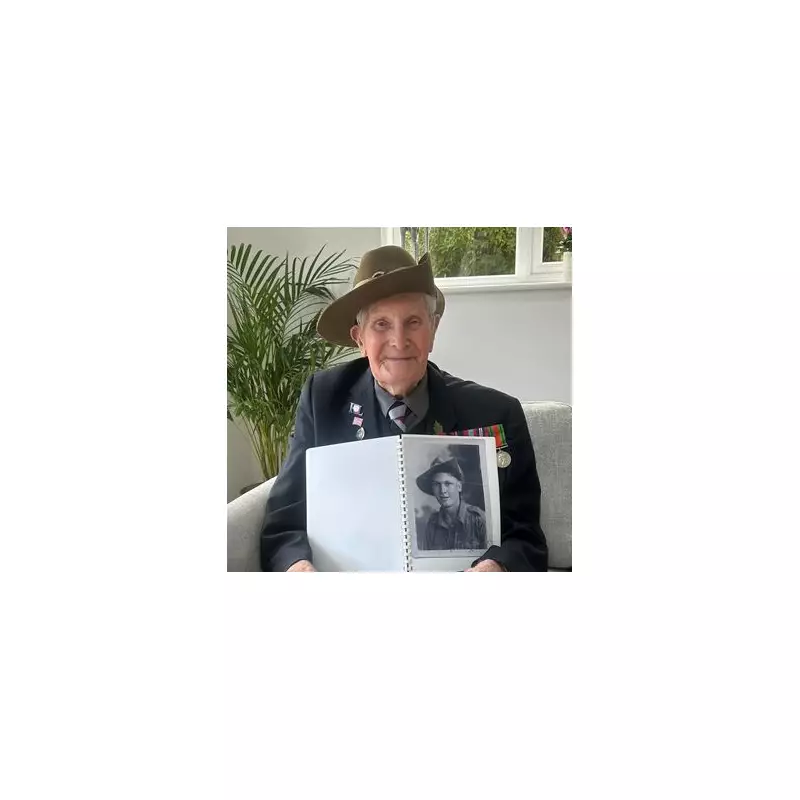
The nation mourns the passing of one of its last remaining World War II heroes from the legendary Chindit special forces. Charlie Richards, who reached the remarkable age of 104, has died, leaving behind an extraordinary legacy of courage and endurance during some of the conflict's most brutal jungle warfare.
The 'Forgotten Army' That Fought Behind Enemy Lines
Charlie Richards belonged to the elite Chindit units, often described as the 'forgotten army' of World War II. These specially trained troops conducted daring guerrilla operations deep behind Japanese lines in Burma between 1943 and 1944, carrying out dangerous missions while much of Britain celebrated victory in Europe.
Despite their heroic ambushes and strategic disruption of enemy supply lines, the Chindits operated in relative obscurity, facing unimaginable hardships in the Burmese jungles where malaria was rampant and conditions were relentlessly harsh.

A Royal Tribute and Final Public Appearance
Last year, during the 80th anniversary commemorations of VJ Day, Charlie and fellow surviving Chindit Sid Machin, now 101, were honoured as guests of the Royal British Legion. They met with King Charles III and Queen Camilla, receiving royal recognition for their extraordinary service.
Speaking to The Mirror ahead of the ceremony, Charlie expressed profound concerns about global stability, warning that the world might be "heading for trouble" and urging world leaders to "see sense" rather than risk renewed conflict.
From Kettering to the Burmese Jungles
Charlie received his call-up papers at just 20 years old, alongside his friend Horace 'Son' Johnson from their hometown of Kettering in Northamptonshire. The pair joined the 7th Battalion of the Leicestershire Regiment and were eventually selected for special operations with the Chindits.
What they were told would be "one great adventure" quickly transformed into a brutal reality of constant danger. Charlie recalled how Japanese soldiers would attempt stealth attacks at night while calling out provocatively during daylight hours.
The Harsh Reality of Jungle Warfare
Life as a Chindit pushed men "to the limits of endurance," according to Charlie's accounts. Malaria was widespread, with soldiers turning yellow from the medication they took to combat it. The environment itself proved deadly - even supply drops intended to sustain the troops sometimes turned fatal when parachutes failed.
Charlie described death as "an everyday occurrence," with the unit needing to bury bodies almost every evening. The psychological toll was immense, with soldiers constantly wondering if they would be next.
Operation Thursday and Personal Tragedy
The Chindit offensive, codenamed Operation Thursday, commenced on March 5th, 1944. Before deployment, soldiers received white nylon scarves printed with maps of Northern Burma - "panic maps" intended for use if separated from their units. Charlie noted he never needed his, joking about the map's impractical scale.
Tragically, Charlie's best friend Son perished just yards away from him during their six-month secret mission. Japanese soldiers appeared unexpectedly and shot Son in the head after his Bren gun misfired. Of the 400 men in Charlie's column, only 140 returned home physically unscathed.
A Legacy of Courage and Remembrance
The name 'Chindit' derives from a Burmese mythical lion that guards temples - an appropriate symbol for soldiers like Charlie Richards, whom the Royal British Legion described as a "lion of a man."
In their tribute, the Legion noted: "We are saddened to hear of the passing of WW2 veteran, Charlie Richards, at the age of 104. Charlie became a great friend of the RBL, and his warmth and bright personality will be very much missed."
They highlighted how Charlie spent months behind enemy lines ambushing supplies and communications while battling through treacherous terrain, all while coping with the loss of his closest companion. His stories, recounted with characteristic humour and charm during last year's anniversary events, preserved vital history from one of World War II's most challenging theatres.