
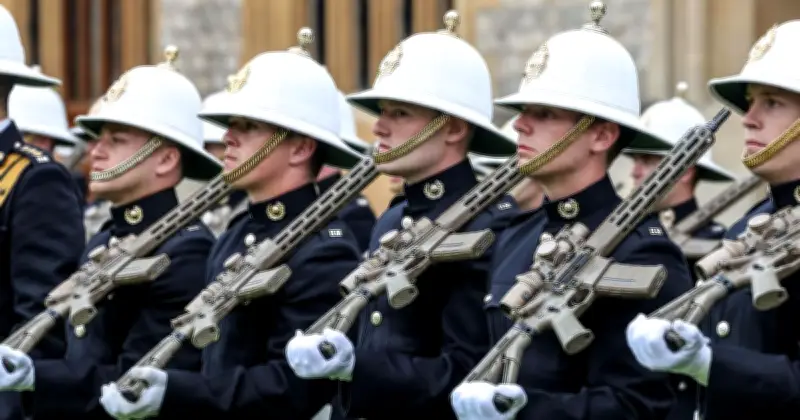
As global tensions escalate, experts have identified the five groups of Britons most likely to be conscripted if World War 3 were to break out. The renewed focus on compulsory military service comes amid instability in the Middle East, ongoing warnings about Russia's military ambitions, and the Doomsday Clock being moved to 89 seconds to midnight earlier this year.
Growing Security Concerns and Military Readiness
The UK Government has pledged an additional £15 billion for defence as part of its long-term spending plans, but some military figures argue that more investment—and more personnel—may ultimately be needed. Former British Army officer and ex-MP Dr Mike Martin has argued that compulsory military service could become unavoidable if Britain became involved in a large-scale war. Speaking to the Big Issue, he said: "Would we need to conscript? Yeah, we would. Because ultimately, we're not at a stage yet where you can replace people with drones. We're a long way off from that. Drones are fine, as far as they go, but you still need people to occupy villages, hold ground, and all the rest of it. And that's not going to change for quite some time."
Political Stance on Conscription
Prime Minister Sir Keir Starmer has repeatedly stated that there are no plans to introduce conscription, insisting that "nobody is talking about" compulsory national service, as reported by London Economic. However, the subject has remained politically charged after former Prime Minister Rishi Sunak proposed a form of national service for 18-year-olds during last year's General Election campaign. Former Chief of the General Staff General Sir Patrick Sanders has also warned that Britain should be prepared for the possibility of mobilising civilians if the security situation in Europe deteriorates further.
Five Groups Most Likely to Be Called Up
If compulsory military service were ever reintroduced, it would not necessarily follow the same rules as during previous conflicts. However, Britain's experience during the Second World War offers a historical framework for understanding how mobilisation has worked in the past.
1. Young Adults
Young adults would likely be among the first groups considered. In 1939, men aged 21 and 22 were initially called up before eligibility was expanded to include those aged between 18 and 41. This age range remains the most physically capable for military service.
2. Unmarried Individuals Without Children
Historically, unmarried people without children were generally conscripted before those with dependants, reducing the immediate impact on families. This approach would likely be replicated to minimise disruption to households with young children.
3. Women
Women could also play a significant role. During the Second World War, women aged between 20 and 30 were required to undertake war-related duties, including nursing, munitions work, and other support roles, although they were not conscripted for frontline combat. Whether women would be required to serve in combat roles today would depend on future legislation, although a recent YouGov survey found strong public support for women serving on the front line.
4. Former Armed Forces Members and Reservists
Former members of the Armed Forces and military reservists could be among the first considered because of their existing training and experience. This group would require less training and could be deployed more quickly than civilians.
5. Older Adults (if Conflict Prolonged)
If a conflict became prolonged, eligibility could potentially widen further. By the later stages of the Second World War, men up to the age of 51 had become liable for conscription, while many older adults also undertook civil defence duties in support of the war effort. This demonstrates that the age range for conscription can expand significantly over time.




