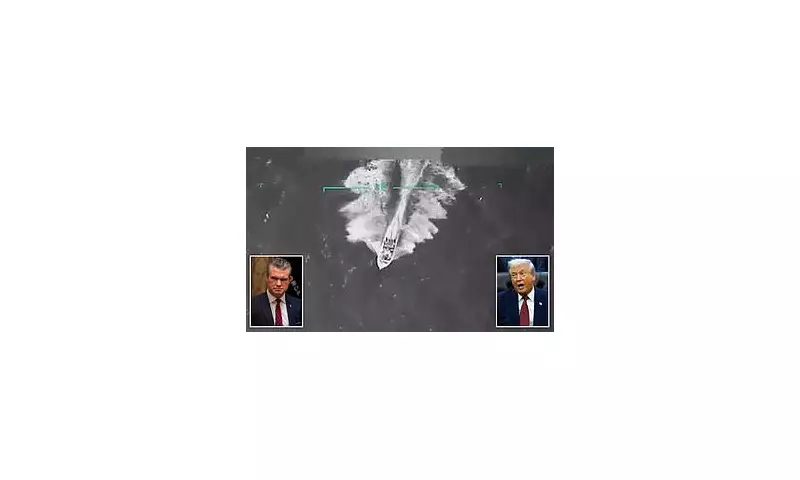
Fresh information has come to light concerning a highly contentious military operation on 2 September, which is now at the centre of serious war crime allegations involving commentator Pete Hegseth.
The Controversial Strike and Its Aftermath
The incident, an airstrike authorised by the Pentagon, targeted a vessel allegedly smuggling narcotics into the United States. This operation marked the first in an extended series of military actions directed at suspected cartel boats used for drug trafficking. According to emerging reports, the strike resulted in casualties, with two individuals surviving the initial attack.
Legal Scrutiny and Congressional Testimony
Admiral Frank Bradley is preparing to give evidence before Congress regarding the event. He is expected to state that both he and a legal adviser believed the two survivors from the initial strike were attempting to continue their drug-running mission. This assessment reportedly influenced subsequent decisions, leading to a second, more scandalous strike that has directly implicated Pete Hegseth.

The emergence of details surrounding this second strike has triggered the formal war crime allegations against Hegseth, throwing the entire operation into a harsh legal and ethical spotlight. The situation remains fluid, with investigators and lawmakers delving deeper into the chain of command and the intelligence that prompted the lethal action.
A Developing Story with Major Implications
This unfolding scandal raises profound questions about the rules of engagement and the legal frameworks governing military interventions against non-state actors like drug cartels. The planned testimony of Admiral Bradley is seen as a pivotal moment that could shed light on the internal justifications used for the strikes.
As this is a developing story, further revelations are anticipated. The case continues to evolve, with significant potential consequences for all parties involved and for future defence policy regarding cross-border security operations.