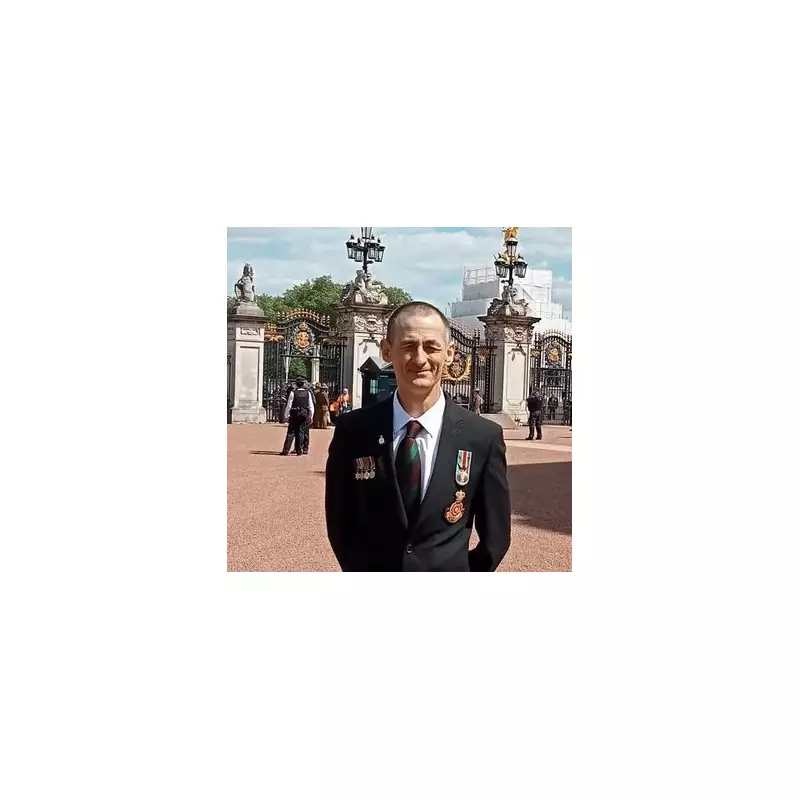
Three decades may have passed, but for British war veteran Warren Howell, the horrific sights and smells of a Bosnian massacre remain as vivid and haunting as the day he witnessed them. The former UN peacekeeper is still tormented by memories of the Stupni Do atrocity, a brutal episode of ethnic cleansing he helped secure in October 1993.
The Unforgettable Horrors of Stupni Do
Deployed as part of Operation Grapple, the UK's contribution to UN peacekeeping in Bosnia, Warren was sent to the small hillside village shortly after Croatian forces attacked its Bosnian Muslim inhabitants. What he and his comrades found was, in his words, "beyond anything you could imagine."
The first assault was olfactory. "The smell of burning, rotted flesh" hit them as they approached. Inside the village, the grim reality unfolded. In a cellar, they discovered two or three young women huddled together, their throats slit. "You could see they were in absolute terror before they died," Warren recalls, an image he says is "etched into my brain."

The patrol's grim discoveries continued. They found a pregnant woman, shot and tied to a tree in nearby woods. Buildings were burned out, containing charred remains, including infant skulls and skeletons. In total, 38 men, women, and children were killed in the attack on October 23, 1993. The victims included five children aged between one and 13, and an 80-year-old woman.
A Lasting Legacy of Trauma and Loss
For Warren, now 51 and from Warrington, the psychological toll was immense and immediate. A month after returning to the UK, he was struck by what would later be diagnosed as Post Traumatic Stress Disorder (PTSD). "I looked at myself in the mirror and I didn't recognise who I was," he said, describing feelings of intense anger and isolation.
He is far from alone. Many of the British soldiers who served in the Bosnian War, one of Europe's bloodiest conflicts since WWII, live with similar trauma. Tragically, some have been unable to bear it. Warren has lost comrades to suicide, and he himself has attempted to take his own life.
This December marks 30 years since the end of the Bosnian War. Warren recently joined 1,000 fellow veterans at a Service of Remembrance organised by The Royal British Legion at the National Memorial Arboretum. They honoured the 59 British lives lost during the conflict and remembered the countless civilian victims they often felt powerless to save.
The Vital Act of Remembrance
For Warren, remembrance is a crucial, if painful, act. "I think it’s important to remember the innocent lives that were lost, in such cruel ways," he states. "It’s also important to remember those who suffered trauma during that war, those who witnessed that."
He reflects on the sheer inhumanity of the crimes: "How can anyone kill civilians in such a way?" The memory of the women clinging to each other in their final moments stays with him, a symbol of the fear and defencelessness of the victims.
Supported by the Royal British Legion in his recovery, Warren finds some measure of closure in these acts of commemoration. While the taste of that day in Stupni Do never fully leaves him, he remains determined to ensure that the stories of the victims, and the soldiers forever changed by what they saw, are never forgotten.