
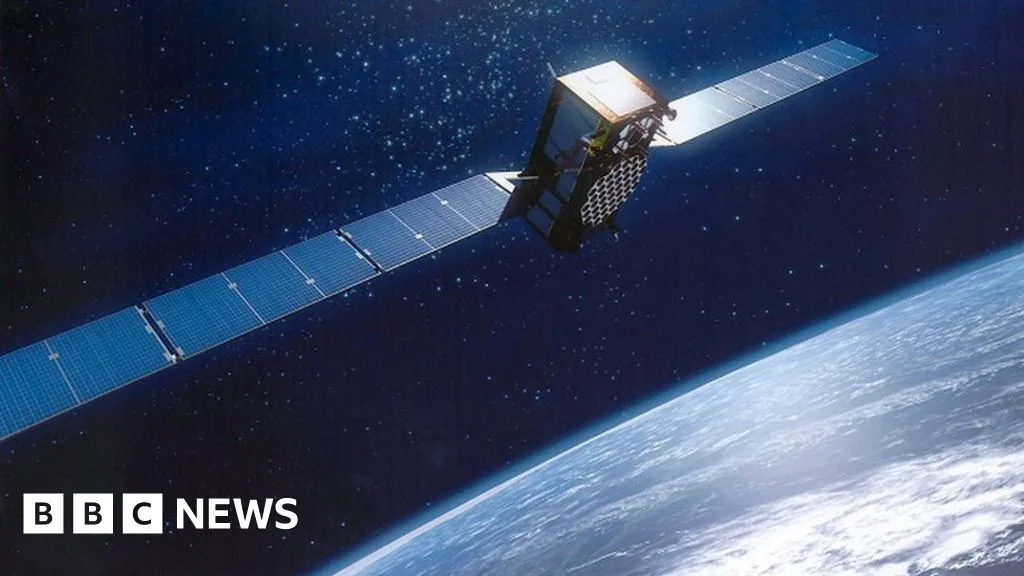
The United States has accused Russia of developing a 'troubling' new anti-satellite weapon, though it has not yet been deployed. White House spokesperson John Kirby stated that the weapon poses no immediate threat to the public and is not designed to attack humans or cause physical destruction on Earth.
Kirby declined to confirm reports from CBS News that the weapon is space-based and armed with a nuclear device to target satellites. He emphasised that President Joe Biden has been briefed and has ordered direct diplomatic engagement with Russia over the issue.
The warning follows a cryptic statement from House Intelligence Committee chairman Mike Turner about a 'serious national security threat'. After a meeting with National Security Advisor Jake Sullivan, Turner said the administration is taking the matter seriously and has a plan in place.
Moscow has dismissed the claims, accusing Washington of using the alleged threat to push Congress to approve additional aid for Ukraine. US officials have not disclosed specific details, citing the need to protect intelligence sources and methods.
Experts note that Russia and China have been developing military capabilities in space for years. A 2021 test saw Russia successfully destroy a defunct satellite with a missile. During the Ukraine war, Russia has used cyber attacks and jamming to disrupt satellite communications.
The US military relies heavily on satellites for surveillance, navigation, and communications. Any threat to these assets could significantly impair its operational capabilities, according to former Pentagon intelligence official Kari Bingen.




