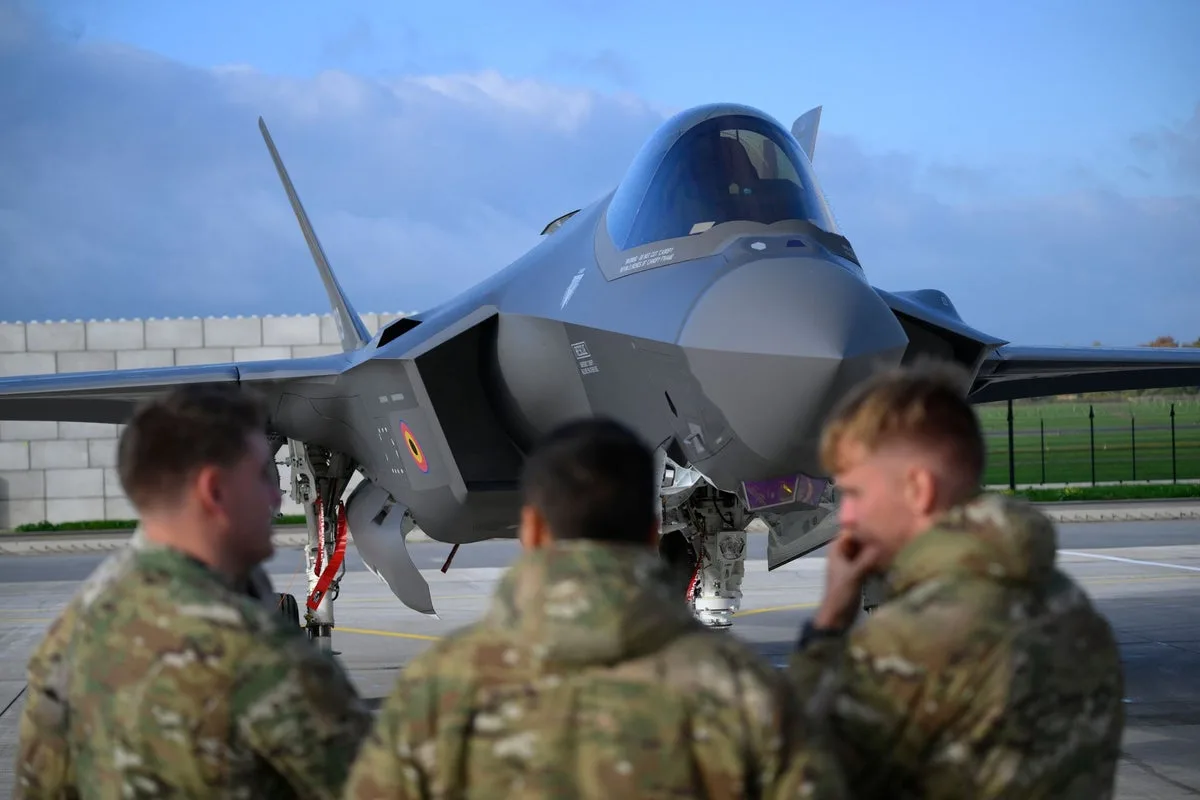
In a significant diplomatic development, the United States has issued a stark warning to Canada regarding its defence procurement plans, with potential implications for the longstanding North American Aerospace Defense Command (NORAD) agreement. US Ambassador Pete Hoekstra cautioned that if Canada proceeds with a reduction in its planned purchase of 88 Lockheed Martin F-35 fighter jets, the US may be compelled to adjust the terms of the Cold War-era NORAD pact.
Security Gaps and Increased US Intervention
Ambassador Hoekstra emphasised that any decision by Canada to buy fewer F-35s would create security vulnerabilities that the US would need to address. He stated that the US would 'fill those gaps' in defence, which could necessitate more frequent US military intervention in Canadian airspace. This scenario, he warned, might lead to a comprehensive re-evaluation of the NORAD agreement, potentially altering its foundational principles and operational protocols.
Cost Concerns Driving Canadian Review
The backdrop to this tension is Canada's ongoing review of its F-35 procurement programme. An audit has revealed that the cost of the programme has escalated dramatically, rising from an initial estimate of $19 billion to approximately $27.7 billion. This substantial increase has prompted Canadian officials to explore alternative options to manage budgetary pressures while maintaining national security.
In response to the soaring costs, Canada is reportedly considering other suppliers. One prominent alternative is Sweden's Saab, which offers its JAS 39 Gripen E fighter jet. Saab has made commitments to manufacture these jets within Canada, a move that could generate an estimated 12,600 jobs and bolster the local economy. This potential shift highlights Canada's efforts to balance defence needs with fiscal responsibility and domestic industrial benefits.
Interoperability and Defence Capabilities at Stake
Ambassador Hoekstra expressed concerns about the implications of Canada opting for an alternative fighter jet, such as the Gripen E. He cautioned that choosing what he termed an 'inferior product' could adversely affect defence capabilities and interoperability between US and Canadian forces. Such a decision, he argued, might necessitate a thorough reconsideration of the broader framework of US-Canada security cooperation, potentially straining the bilateral defence relationship.
The ambassador's remarks underscore the intricate link between procurement choices and strategic alliances. The F-35 programme is designed to ensure seamless integration among allied forces, and any deviation from this path could introduce complexities in joint operations and intelligence sharing.
Broader Implications for North American Defence
This dispute highlights the evolving dynamics of North American defence partnerships in an era of increasing geopolitical uncertainties. The NORAD agreement, established during the Cold War, has long been a cornerstone of continental security, facilitating coordinated responses to aerospace threats. Any modifications to this pact could have far-reaching consequences for how the US and Canada collaborate on defence matters.
As Canada deliberates its next steps, the situation presents a critical juncture for policymakers. They must weigh the economic advantages of alternative jets against the strategic imperatives of maintaining robust interoperability with the US. The outcome of this review will not only shape Canada's military capabilities but also influence the future trajectory of US-Canada defence relations.
In summary, the US warning serves as a reminder of the interconnected nature of defence procurement and international security agreements. With costs rising and alternatives emerging, Canada faces a complex decision that will resonate across North American defence landscapes for years to come.




