US Military Conducts Nuclear Missile Test During Middle East Conflict
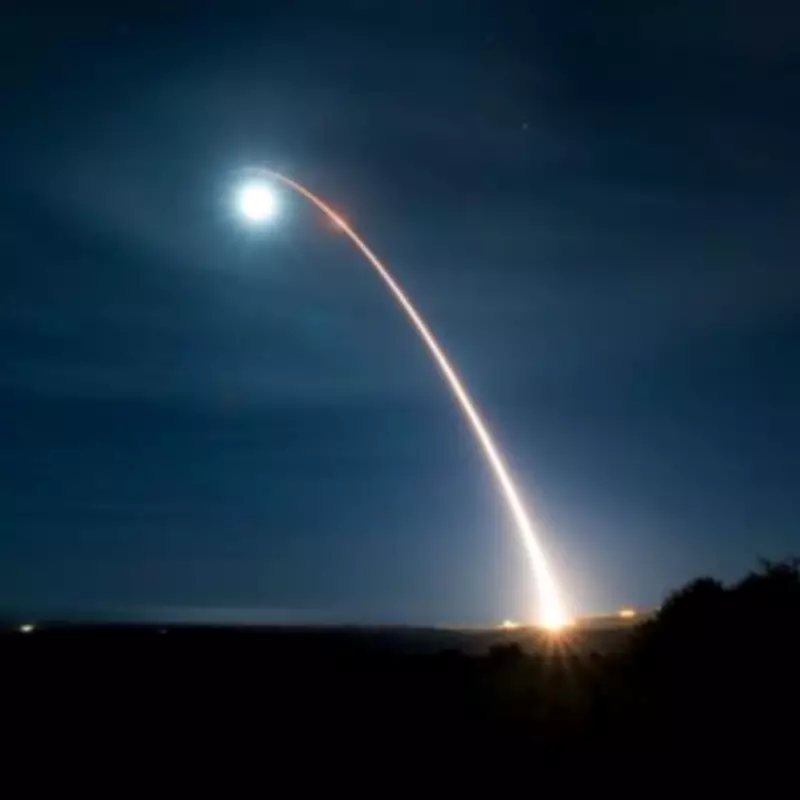
The United States military has carried out a significant test of its Minuteman III nuclear ballistic missile, launching the unarmed weapon from Vandenberg Space Force Base in California. The missile successfully struck its intended target in the Pacific Ocean, specifically near the Marshall Islands, as confirmed by the US Space Force.
Test Details and Strategic Context
The launch, designated GT 255, occurred as the Middle East conflict intensifies, now entering its sixth day. According to official statements, the test aimed to verify the effectiveness, readiness, and accuracy of the missile system. Lieutenant Colonel Karrie Wray, commander of the 576th Flight Test Squadron, emphasized that such tests allow for the assessment of individual components and enhance the performance of the entire Intercontinental Ballistic Missile (ICBM) fleet.
The Minuteman III is a critical component of America's nuclear triad, which includes land, sea, and air-based capabilities for deploying nuclear weapons. This missile is capable of carrying warheads with destructive power estimated to be up to twenty times greater than the atomic bomb dropped on Hiroshima during World War II.

Political and Military Implications
Despite the timing, the US Space Force has stated that the launch is not a direct response to current world events, including the ongoing military operation in Iran. However, the test coincides with heightened tensions, as Senate Republicans recently voted against halting former President Donald Trump's war efforts in Iran, showing early support for a conflict that lacks a clear exit strategy.
Defence Secretary Pete Hegseth has projected that the war could extend for up to eight weeks, longer than previously estimated, and acknowledged that Iran retains the ability to conduct missile attacks despite US efforts to control airspace. This underscores the volatile backdrop against which the missile test was conducted.
Technical and Operational Insights
During the test, the ICBM's reentry vehicles traveled thousands of miles to a pre-determined target at the Kwajalein Atoll in the Marshall Islands. This long-range flight enabled engineers and weapons experts from the 377th Test and Evaluation Group to collect valuable data on the missile's accuracy and reliability, ensuring that every component functions as designed.
The ongoing assessments of varying mission profiles are crucial for maintaining the maximum level of readiness for the land-based leg of the nation's nuclear triad, as highlighted by military officials. This test serves as a routine but critical evaluation of the US's strategic deterrent capabilities amid global uncertainties.