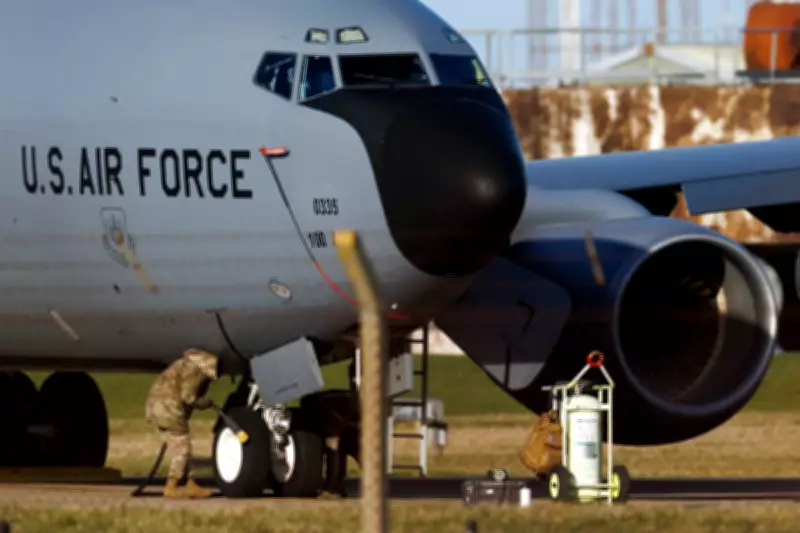
A specialised US Air Force aircraft, colloquially known as a 'nuke sniffer' for its ability to detect radioactive particles, has touched down at RAF Mildenhall in Suffolk. This deployment occurs against a backdrop of heightened geopolitical friction with Iran, where nuclear ambitions and internal unrest are fuelling international concerns.
Escalating Threats and Military Buildup
The arrival of the surveillance jet coincides with stark warnings from the US president, who has highlighted a 'massive armada' of American forces amassing in the Middle East. In a direct message to Tehran, the president demanded that Iran abandon its nuclear programme and halt the violent suppression of protesters within its borders. He urged Iranian leaders to 'come to the table' for diplomatic negotiations, cautioning that failure to comply could result in 'far worse' consequences, though specific details of these repercussions were not disclosed.
Iran's Defiant Response and EU Sanctions
In response to these threats, Iran's foreign minister has asserted that the nation's armed forces are prepared to 'immediately and powerfully respond' to any acts of aggression. This defiant stance comes as the European Union takes a firm stance by adding the Iranian Revolutionary Guard Corps (IRGC) to its list of designated organisations. This move follows reports of a brutal crackdown on anti-government protesters in Iran, which has allegedly resulted in thousands of deaths, drawing widespread condemnation from international observers.

The deployment of the 'nuke sniffer' jet underscores the seriousness with which Western allies are monitoring potential nuclear activities in the region. As diplomatic channels strain and military posturing intensifies, the situation remains volatile, with global security implications hanging in the balance.