
Small First Person View (FPV) drones, travelling at 37mph, have become ubiquitous in the war in Ukraine, evolving from 'a novelty to a weapon of choice' according to drone expert Samuel Bendett. Soldiers report that gunfights are decreasing as drone fights increase, with frontlines now forming a killing zone several miles deep.
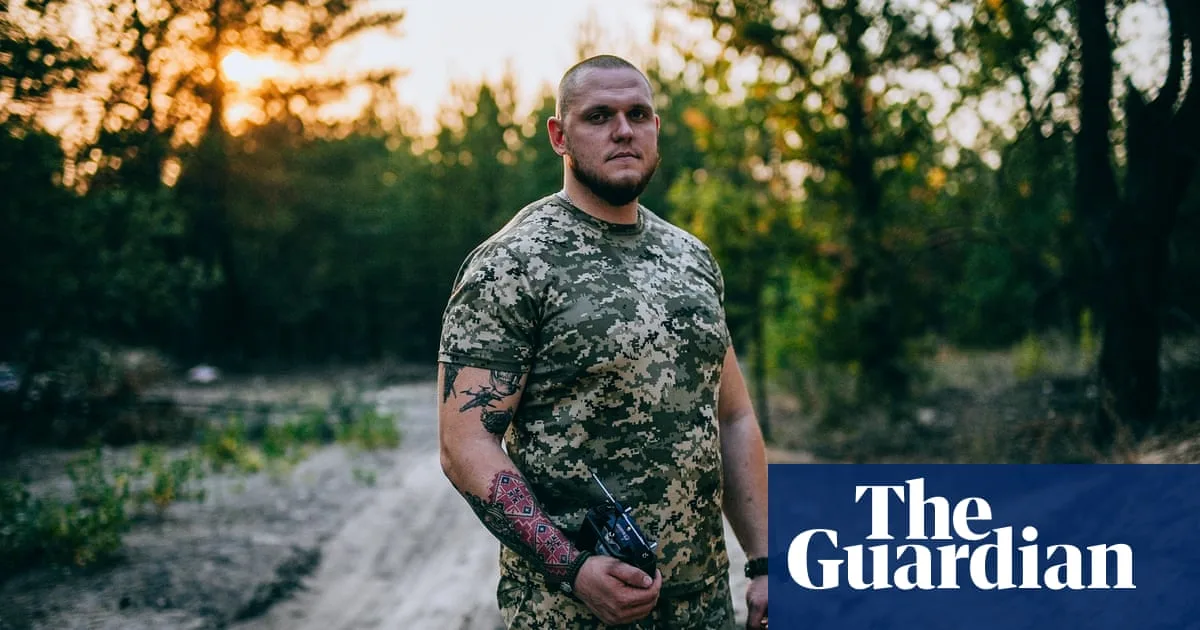
Denys, a soldier with Ukraine's Khyzhak brigade, explains that drone squads hidden one to three miles behind the front target enemy forces with aerial attacks. 'Back in 2022, we were still running around with machine guns from the tree lines,' he recalls. Fellow soldier Dima, call sign Khimik, compares the patient targeting process to sniping, as drones hover and adjust to find the right strike angle.
The seven-inch FPV quadcopter, capable of carrying a kilogram of explosive, is operated with goggles and a handheld controller. While artillery and mortar shelling remain common, the drone has become a dominant tactical tool. Denys describes a three-hour 'artillery bombardment by drone' on a Russian position near Toretsk, dropping 1.5kg of explosives every eight minutes until the enemy retreated.
The sound of an unexplained drone terrifies troops. Infantryman Oleksii, training near Sumy, says: 'It is impossible to outrun them – you have to shoot them down.' He recalls narrowly escaping a drone attack after tripping over a branch, while the drone continued through where he would have been. FPV drones outrun Usain Bolt's top speed and, with thermal cameras, operate effectively at night.
Battery life limits flight time, with kamikaze FPV drones reaching up to 20km in good weather, but a typical operating radius is around 5km for returning bomber drones. The FPV drone is simpler than commercial Mavic quadcopters made by Chinese company DJI, and many components still come from China, though efforts are being made to source elsewhere.
Ukraine's drone effort began as a civil society initiative, with soldiers and civilians assembling drones in living rooms and garages. However, the balance is shifting: Ukraine's defence ministry delivered 1.1 million one-way FPV drones as of mid December, alongside 100,000 more sophisticated craft.




