
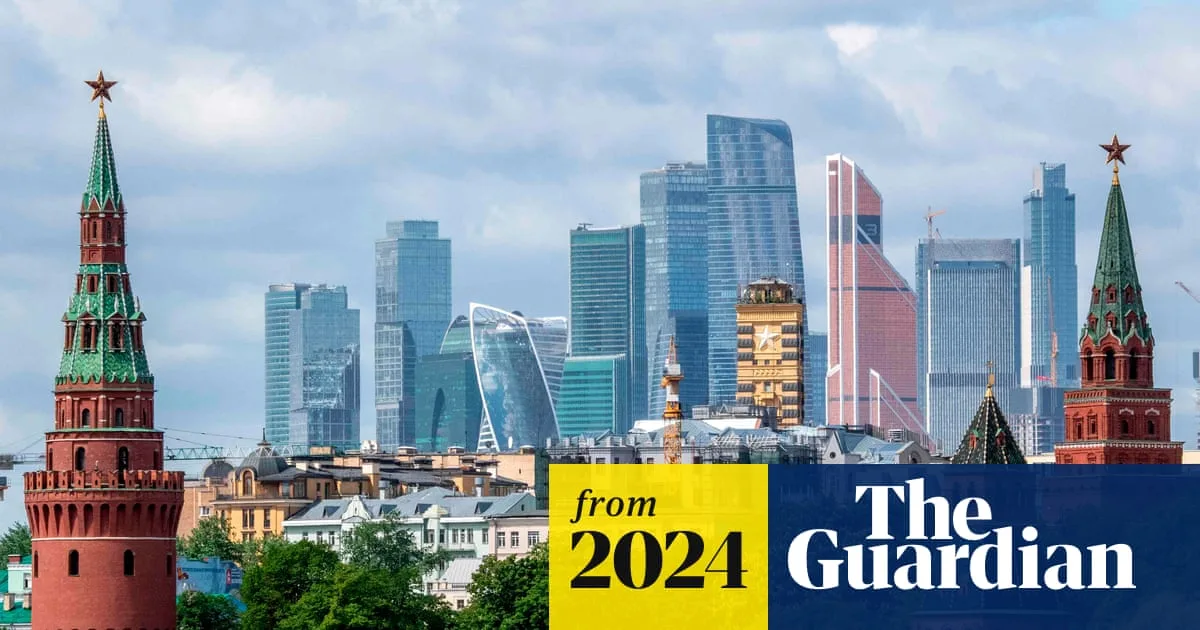
Ukraine has carried out one of its largest drone attacks on Moscow, with Russian air defence systems intercepting 11 kamikaze drones before they reached the capital. Several were shot down over Podolsk, 24 miles south of Moscow and close to Domodedovo international airport. Residents reported hearing buzzing in the night sky followed by loud explosions.
Russia’s defence ministry said it had destroyed a total of 45 drones over Russian territory, including 23 in the Bryansk region, six over Belgorod, two over Kursk province, and three over Kaluga. Others were spotted in the northern Murmansk region, apparently heading for an airfield used by strategic bombers. Moscow’s mayor, Sergei Sobyanin, described it as “one of the largest attempts to attack Moscow using drones ever”.
The attack comes as Ukrainian troops continue to advance in Russia’s Kursk region, with probing raids on frontline towns and villages. Ukraine has seized the town of Sudzha and is close to capturing Korenovo, which had a prewar population of 5,500. Reports suggest Ukrainian forces have reached its north-east outskirts, though they have also suffered losses. The Kremlin has scrambled reserves to the frontline and transferred units from occupied southern Ukraine.
Ukraine’s president, Volodymyr Zelenskiy, has called for allies to lift restrictions on using Western weapons against strategic targets inside Russia. He said red lines imposed by the Biden administration due to fears of nuclear escalation were now meaningless. In response, Kyiv has developed an increasingly ambitious drone programme, with commander-in-chief Oleksandr Syrskyi stating that around 200 critical infrastructure sites linked to military logistics have been attacked, including factories, fuel dumps and refineries.
The strategy appears to be working. Fires continued to burn at a major oil depot in Proletarsk, Rostov oblast, four days after it was struck by drones. Another storage tank exploded, and firefighters have been unable to extinguish the blaze, with at least 13 hospitalised. Russia makes extensive use of drones and regularly bombards Kyiv and other Ukrainian cities, firing 11,879 missiles and drones since the 2022 invasion, of which only 43% were shot down, according to Syrskyi.
In Kursk, Kremlin military bloggers reported that remotely operated drones destroyed four Ukrainian armoured vehicles heading towards Glushkovo. As many as 3,000 Russian troops are believed to be trapped in the Glushkovsky district, which Ukraine is likely to try to seize. Ukraine has bombed three bridges and a pontoon across the Seym River, and blasted a Russian border post in Tetkino. Video released on Wednesday showed US-supplied Himars rockets were responsible for the attack on the pontoon crossing near Glushkovo.




