In a historic first for naval warfare, Ukraine has successfully struck and disabled a Russian attack submarine using an underwater drone. The operation marks a significant escalation in Kyiv's capabilities in the Black Sea conflict.
Details of the Unprecedented Attack
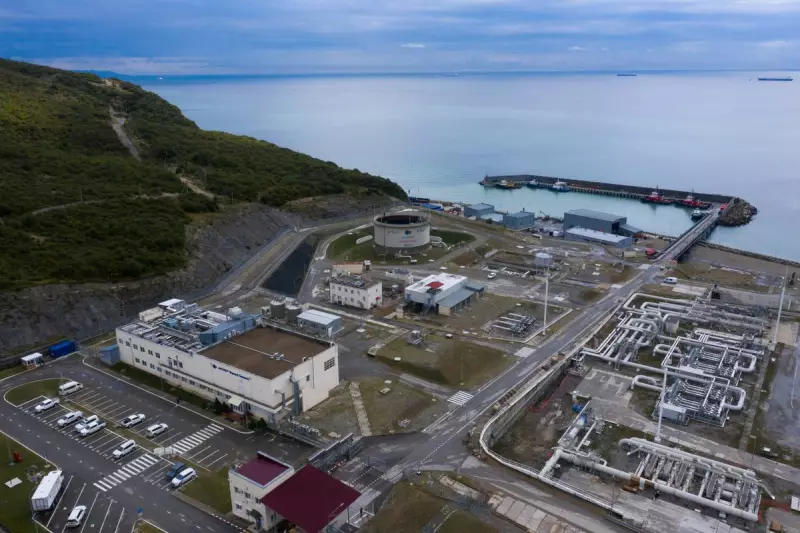
The Security Service of Ukraine (SBU) has claimed responsibility for the strike, which targeted a Russian Kilo-class submarine. The attack took place at Russia's crucial Black Sea naval base in Novorossiysk. Tuesday 16 December 2025 saw the operation unfold, with an advisor to President Volodymyr Zelensky confirming it was the first instance of an underwater drone neutralising a submarine.
Footage released by the SBU reportedly shows a powerful explosion at the site. A Ukrainian navy spokesperson described the event as "another turning point" in the ongoing naval battle. The strike has resulted in Russia losing one of its four submarines stationed at the Novorossiysk base.

Strategic Timing and Implications
This bold military action occurred against a complex diplomatic backdrop. It took place amid U.S.-brokered peace negotiations and followed recent comments from U.S. President Donald Trump. Analysts suggest Ukraine aimed to demonstrate its enduring capacity to inflict serious damage on Russian naval assets, even during talks.
The successful use of a maritime drone against a submerged vessel represents a leap in asymmetric warfare. It underscores Ukraine's innovative approach to challenging Russia's traditional naval superiority in the region.
What This Means for the Black Sea Fleet
The loss of the Kilo-class submarine is a notable blow to the Russian Black Sea Fleet, which has suffered a series of setbacks since the full-scale invasion began. The Novorossiysk base has become increasingly vital for Moscow following earlier Ukrainian successes against its primary facility in Sevastopol, Crimea.
This operation proves that even Russia's most protected maritime assets are now vulnerable. It extends the threat posed by Ukrainian drone technology from surface ships to submarines, potentially altering Russian operational tactics in the Black Sea.