
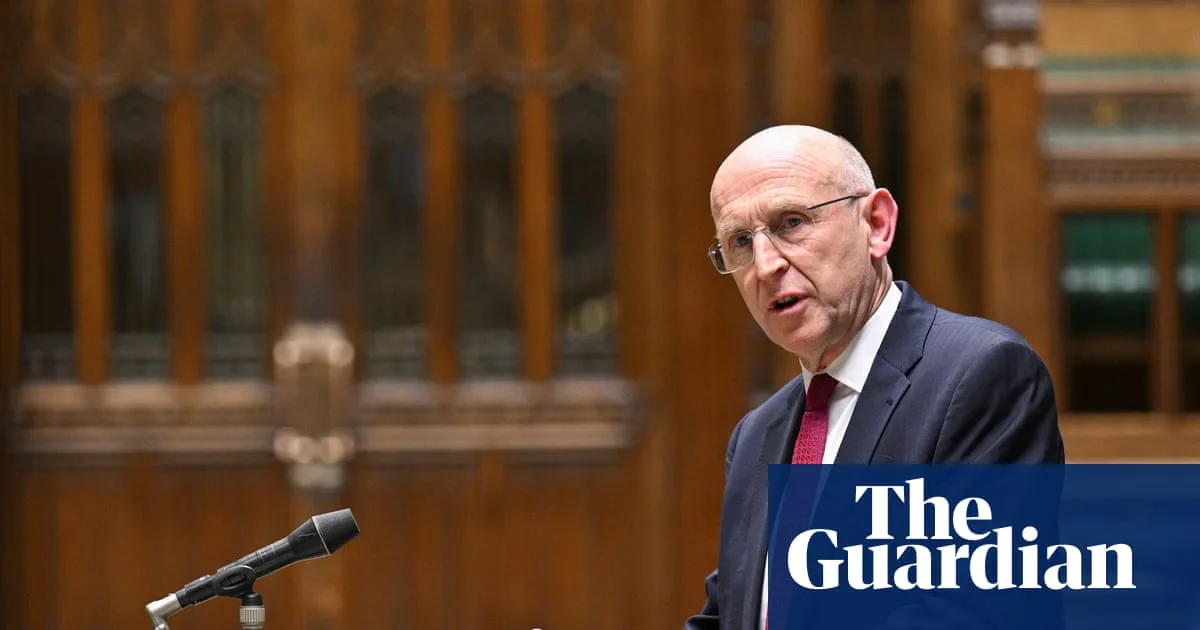
John Healey resigned as defence secretary on Thursday after months of wrangling over defence funding, leaving Keir Starmer without a defence strategy less than a month before a Nato summit. Healey said the prime minister’s offer of an extra £2bn by 2030 fell “well short” of what is required for the country’s security.
The funding was part of the defence investment plan (Dip), which includes the £41bn Dreadnought submarine programme and investment in drones for future conflicts. The plan was also key to meeting a Nato target to lift spending from 2.6% of GDP to 3.5% by 2035, nearly £30bn in real terms.
Healey’s resignation letter emphasised that the settlement breached Starmer’s commitment to Nato a year ago and left no time to meet the target. Downing Street had attempted to push Healey into releasing the plan on Thursday, but he refused.
The crisis has also affected diplomatic engagements. A planned visit by Australian deputy prime minister Richard Marles to Portsmouth naval base to discuss the Aukus submarine programme was cancelled after Healey’s resignation. Former Australian foreign minister Gareth Evans had earlier warned that the UK’s defence-industrial base was under “extraordinary stress”.
Defence sources said Starmer was unwilling to set a date for reaching 3% of GDP before an election, despite promises to Nato allies. The Treasury wanted the MoD to plan for 3%, not 3.5%, adding to the tension.




