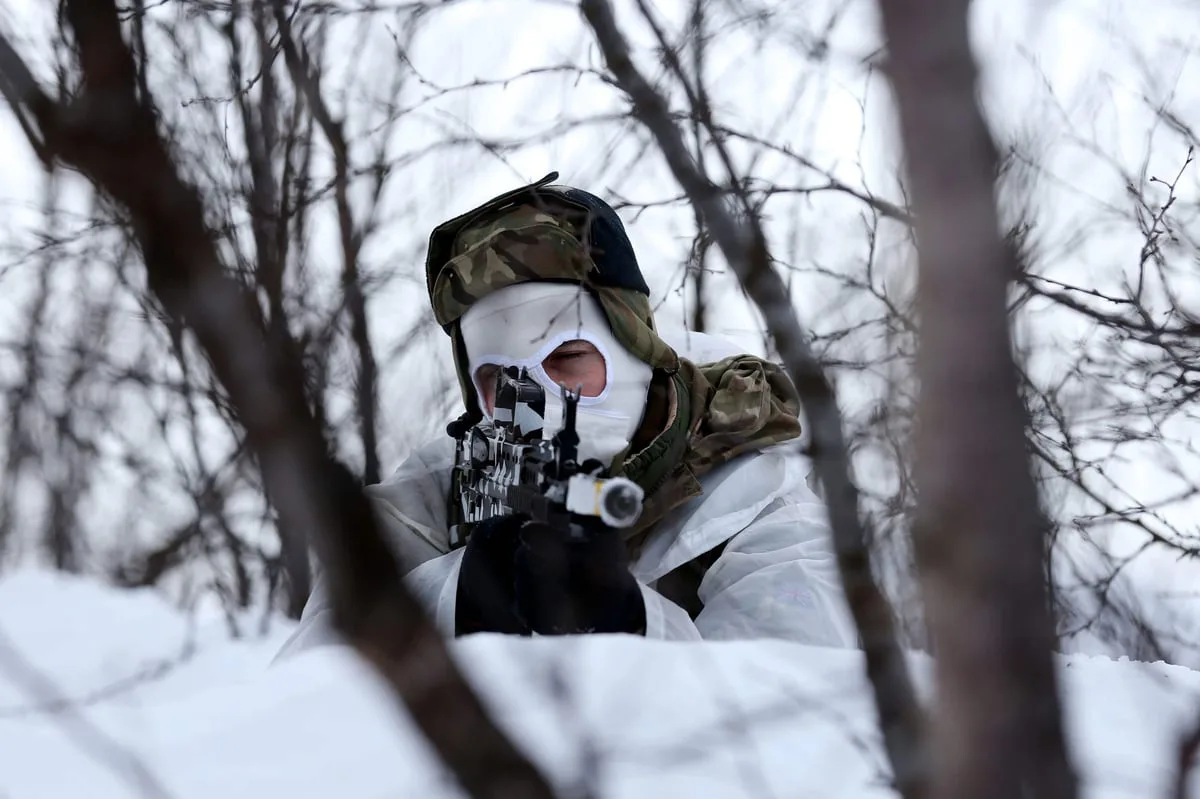
UK and Nato Boost Arctic Defence Amid Trump's Greenland Ambitions
UK Bolsters Arctic Troops as Trump Eyes Greenland

The United Kingdom is actively collaborating with its Nato partners to significantly enhance military and security provisions in the High North. This strategic move comes in direct response to escalating geopolitical tensions, notably former US President Donald Trump's stated interest in acquiring Greenland, a semi-autonomous territory of Denmark.

Trump's Greenland Ambitions Prompt Nato Response

Central to the current security discussions are the ambitions of Donald Trump. The former president has openly expressed a desire for the United States to gain control of the vast, resource-rich island of Greenland. Crucially, he has not dismissed the potential use of military force to achieve this goal, a prospect that has sent shockwaves through diplomatic circles. Such an action would target a founding member of the Nato alliance, Denmark, creating an unprecedented crisis within the defensive pact.

Despite the gravity of these reports, UK Transport Secretary Heidi Alexander sought to downplay immediate concerns about British troop movements. She characterised ongoing talks about securing the Arctic region as routine Nato business, aimed primarily at countering the expanding influence of Russia and China. "The Arctic Circle is becoming increasingly contested," Ms Alexander affirmed, aligning the UK's position with the view that the ambitions of Vladimir Putin and Beijing necessitate a robust defensive posture.

A Coordinated Allied Stance on Arctic Security

The UK's involvement forms part of a broader, coordinated Nato effort to deter aggression and secure strategic interests in the Arctic. The region's growing importance for shipping routes and natural resources has made it a focal point for international competition. While Lord Peter Mandelson dismissed the likelihood of a US military assault on a Nato ally, he emphasised the indispensable role of American leadership. He stressed that the United States must spearhead efforts to protect the Arctic from Russian and Chinese encroachment, highlighting the complex diplomatic landscape where an ally's statements can simultaneously necessitate a collective defence review.

This bolstering of Arctic defence capabilities is not merely theoretical. It follows visible demonstrations of allied cooperation, such as a major military exercise in Kangerlussuaq, Greenland, in September 2025. That drill involved hundreds of troops from several European Nato members, showcasing a readiness to operate in the challenging Arctic environment.

Strategic Implications and Future Outlook

The situation presents a multifaceted challenge for the UK and Nato. On one front, the alliance must collectively address the long-term strategic competition from Moscow and Beijing, who are steadily increasing their military and economic activities in the Far North. On another, it must navigate the internal strain caused by a key member's unilateral territorial aspirations against a fellow ally.

The decision to reinforce Arctic troops and infrastructure signals a clear commitment to treating the High North as a zone of vital strategic interest. It underscores a policy of preparedness and deterrence, ensuring that Nato remains the predominant security guarantor in the region. As these discussions continue, the UK's role in shaping a coherent and resilient Nato Arctic strategy will be closely watched by both allies and adversaries alike.




