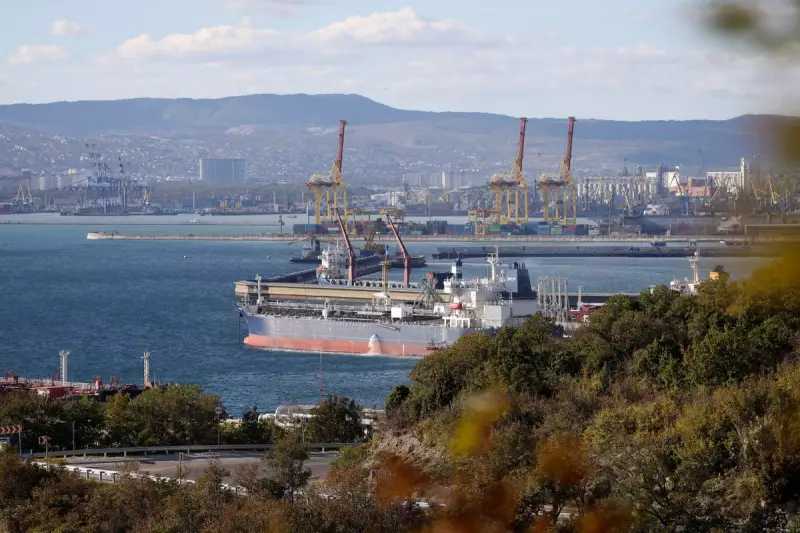
The Turkish government has issued a formal condemnation following Ukrainian drone strikes on two Russian oil tankers operating in the Black Sea. The attacks have intensified fears over maritime safety and the potential for the conflict to spread further.
Ankara's Strong Condemnation
A spokesman for the Turkish Foreign Ministry, Oncu Keceli, publicly denounced the assaults on the Kairos and Virat vessels. He confirmed that the incidents occurred within Turkey's exclusive economic zone late on Friday afternoon.
Keceli stated that these actions "have posed serious risks to navigation, life, property and environmental safety in the region." In a social media post made late on Saturday, he further revealed that Ankara is actively engaged in talks with "the relevant parties" to prevent the war in Ukraine from escalating across the Black Sea and to safeguard Turkey's own economic interests.

Details of the Naval Drone Strikes
Ukraine has claimed responsibility for the operation, confirming it used naval drones to hit the two tankers in quick succession. The strikes took place off the coast of Turkey, a key strategic waterway.
According to reports, crew members on board both targeted vessels were safe following the attacks. The database OpenSanctions, which monitors sanctions evasion, identifies these tankers as part of a Russian "shadow fleet" used to circumvent international sanctions imposed after Russia's full-scale invasion of Ukraine in 2022.
Broader Implications for Black Sea Security
This event marks a significant development in Ukraine's naval campaign. While the Ukrainian military has previously executed successful strikes against Russian shipping, particularly using explosives-packed marine drones, their missions have largely been confined to the northern Black Sea waters.
The extension of such operations closer to Turkey's coast represents a potential escalation, raising concerns about the security of one of the world's most critical maritime corridors and the environmental threat of an oil spill in these contested waters.