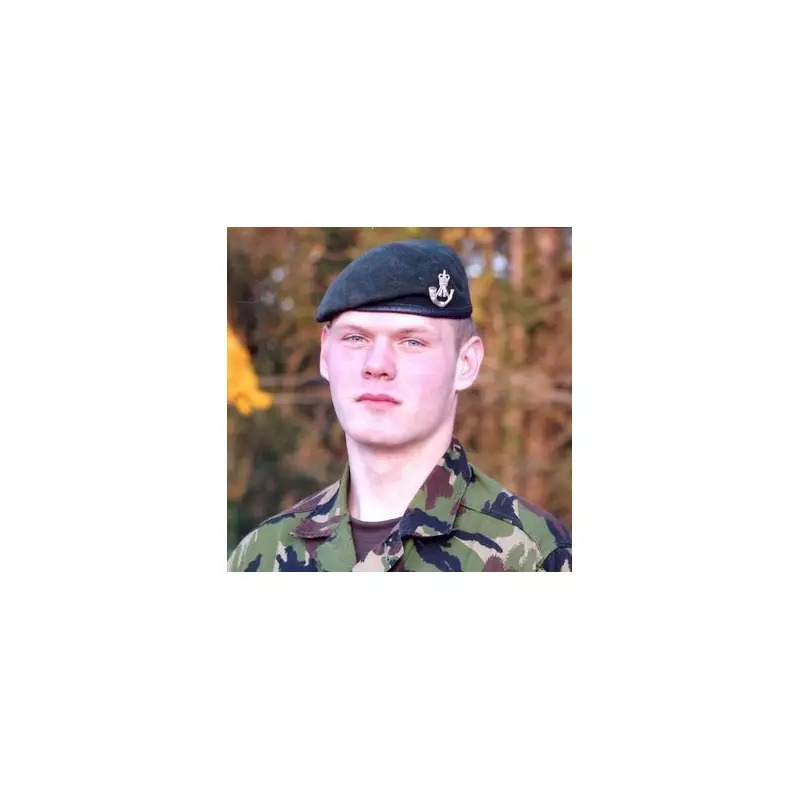
The mother of the youngest British soldier to die in Afghanistan has expressed profound outrage after former US President Donald Trump made what she describes as "extremely upsetting" comments dismissing the sacrifice of UK forces. Trump claimed during a television interview that British troops who served in Afghanistan "stayed a little back, off the front lines," a remark that has ignited fury among veterans and bereaved families across the United Kingdom.
Grieving Mother Condemns 'Out of Touch' Remarks
Lucy Aldridge, whose son Rifleman William Aldridge was killed in a bomb blast in Afghanistan just 47 days after his 18th birthday, spoke exclusively about her distress following Trump's comments. "We live the trauma daily for the rest of our lives because of the contribution that our loved ones made," she stated. "And they were absolutely on the front line. William himself was in Sangin, in Helmand Province, patrolling the Pharmacy Road in 2009/2010, which were the worst years for casualties for allied forces because it was the singularly most dangerous place in the world at the time."
Mrs Aldridge emphasised the historical inaccuracy and emotional insensitivity of Trump's assertion, noting: "To ignore that because, let’s face it, Trump isn’t particularly hot on history… He is so out of touch with the reality and what it costs in human life. He has no compassion whatsoever for anyone who doesn’t serve him."

Trump's Controversial NATO Comments Spark Widespread Condemnation
The former president made the remarks during an interview at the World Economic Forum in Davos, Switzerland, where he continued to pressure NATO allies regarding control over Greenland. In his conversation with Fox News, Trump repeated complaints about the United States being treated "unfairly" by NATO, despite the US being the only nation ever to invoke Article 5 of the NATO treaty following the 9/11 attacks.
Trump crassly dismissed allied contributions, stating: "We've never needed them. They'll say they sent some troops to Afghanistan and this or that. And they did. They stayed a little back, off the front lines." This comment directly contradicts the operational reality experienced by British forces, who suffered significant casualties during some of the conflict's most intense fighting.
Military Experts Rebut Trump's Claims
Retired army Colonel Hamish de Bretton-Gordon responded forcefully to Trump's assertions, highlighting the UK's frontline role. "Trump is now showing his complete ignorance of the fight with Al Qaeda and the Taliban in Afghanistan," he stated. "It was the UK who answered the US call after 9/11 and it was us who took on the fight in Helmand province, the most difficult area of Afghanistan. I spent a long time in Helmand and we were in the vanguard of this battle and lost many brave men and women."
Ben Hodges, former Commanding General of the US Army in Europe, expressed his anger at the remarks, calling them "sickening." He recalled his time in Kandahar from 2009 to 2010, witnessing ramp ceremonies for fallen soldiers from multiple nations. "There's no American soldier that believes what our president just said," Hodges asserted, "and I am sorry that he did that."
Historical Context of British Sacrifice in Afghanistan
During the NATO-led International Security Assistance Force (ISAF) campaign in Afghanistan, the United Kingdom deployed approximately 9,500 troops as part of a multinational force exceeding 36,000 personnel by 2011. Tragically, 405 British servicemen and women lost their lives due to hostile action during the conflict, with many falling in Helmand Province during periods of particularly intense combat.
Lord Sedwill, former UK ambassador to Afghanistan, reinforced the frontline nature of British operations, stating: "I was in Afghanistan, that was certainly the case there, and [they] were engaged in some of the most vicious fighting in some of the most dangerous areas. And so he is completely wrong to be dismissive."

Pattern of Disrespect Toward Military Sacrifice
This incident represents not an isolated remark but part of a concerning pattern of behaviour from Trump regarding military sacrifice. During his first term as president, he faced widespread criticism for allegedly referring to American soldiers killed in action as "losers" and "suckers." According to multiple reports, he cancelled a planned visit to a US cemetery in Paris in 2018 because he said it was "filled with losers," with sources indicating he was concerned about rain affecting his hair.
Later during the same trip, Trump reportedly described US soldiers who died at the historic Battle of Belleau Wood during World War One as "suckers." This battle, which helped prevent a German advance on Paris, remains deeply venerated by the US Marine Corps, making such comments particularly offensive to military communities.
Ongoing Impact on Bereaved Families
For families like Lucy Aldridge's, Trump's latest comments reopen painful wounds and demonstrate a fundamental lack of understanding about the realities of military service and sacrifice. "We live the trauma daily for the rest of our lives," she reminded the public, highlighting how such dismissive remarks compound the grief experienced by those who have lost loved ones in conflict.
The controversy has sparked broader conversations about historical accuracy, respect for military service, and the importance of acknowledging the contributions of all NATO allies in joint operations. As veterans and military experts continue to rebut Trump's claims, the incident serves as a stark reminder of the human cost of conflict and the importance of honouring those who made the ultimate sacrifice.