In a stark escalation of rhetoric, President Donald Trump has issued a dire warning to Iran, stating that "the next attack will be far worse" if Tehran fails to swiftly negotiate a deal on its nuclear program. The comments, made via social media on Wednesday, mark a significant shift in the White House's stated rationale for deploying a powerful carrier strike group to the region.
From Protest Outrage to Nuclear Ultimatum
President Trump's latest intervention represents a notable pivot from previous expressions of outrage over the deaths of protesters in Iran to a direct focus on the fate of Tehran's nuclear ambitions. Noting that time was running out, the President explicitly threatened military intervention, urging the Iranian leadership to "Come to the Table."
These remarks are the clearest indication yet that the Trump administration might be preparing to authorise a military strike, fundamentally altering the strategic calculus in the Persian Gulf.
A Massive Naval Armada on the Move
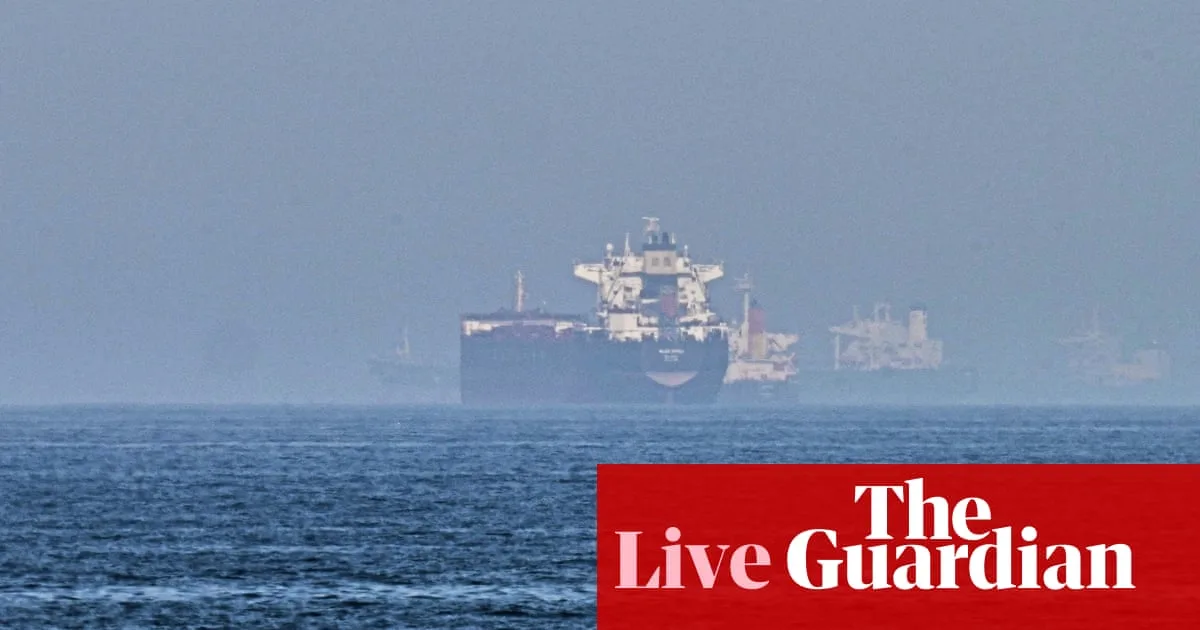
The threat of armed conflict between the United States and Iran appeared to loom closer as President Trump revealed that a huge US naval armada is advancing towards the country "with great power, enthusiasm and purpose." The fleet, headed by the formidable aircraft carrier USS Abraham Lincoln, is reportedly larger than the force deployed to Venezuela prior to the removal of Nicolás Maduro earlier this month.
In his social media post, the President asserted that this strike group was "prepared to rapidly fulfil its missions with speed and violence if necessary," underscoring the serious and imminent nature of the threat.
Broader Domestic and International Context
The escalating crisis with Iran unfolds against a backdrop of significant domestic and international developments within US politics:
- Immigration Crackdown Fallout: The two Department of Homeland Security agents who fatally shot a man in Minneapolis have been placed on administrative leave. President Trump has attempted to quell the resulting backlash, even as immigration raids continue in the city.
- Funding Clash Looms: Senate Democrats, led by Chuck Schumer, are demanding that legislation funding the Department of Homeland Security include reforms to "rein in" Immigration and Customs Enforcement (ICE). This sets up a potential clash with Republicans that risks a partial government shutdown.
- Federal Reserve Holds Firm: The US Federal Reserve left interest rates unchanged after its first meeting of the year, resisting substantial pressure from the White House to implement cuts.
- Venezuela Warning: Secretary of State Marco Rubio indicated that the Trump administration is prepared to take new military action in Venezuela if the country's interim leadership deviates from US expectations.
Additional Key Developments
Other significant stories from the day include a sharp decline in the US dollar to a four-year low, as investors sought traditional safe havens like gold. The Environmental Protection Agency has continued its dramatic transformation under the Trump administration, aggressively rolling back environmental regulations.
Meanwhile, a powerful winter storm has been linked to eight fatalities in Tennessee, with forecasters monitoring another potential major storm for the US East Coast. In a separate development, the FBI executed a search warrant at the Fulton County, Georgia, election office.
The situation remains fluid, with President Trump's latest threats injecting a new and dangerous level of uncertainty into an already volatile international standoff.




