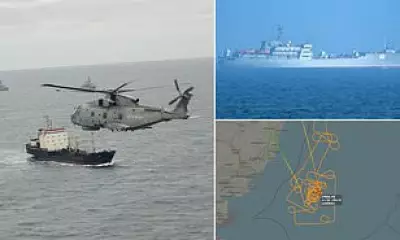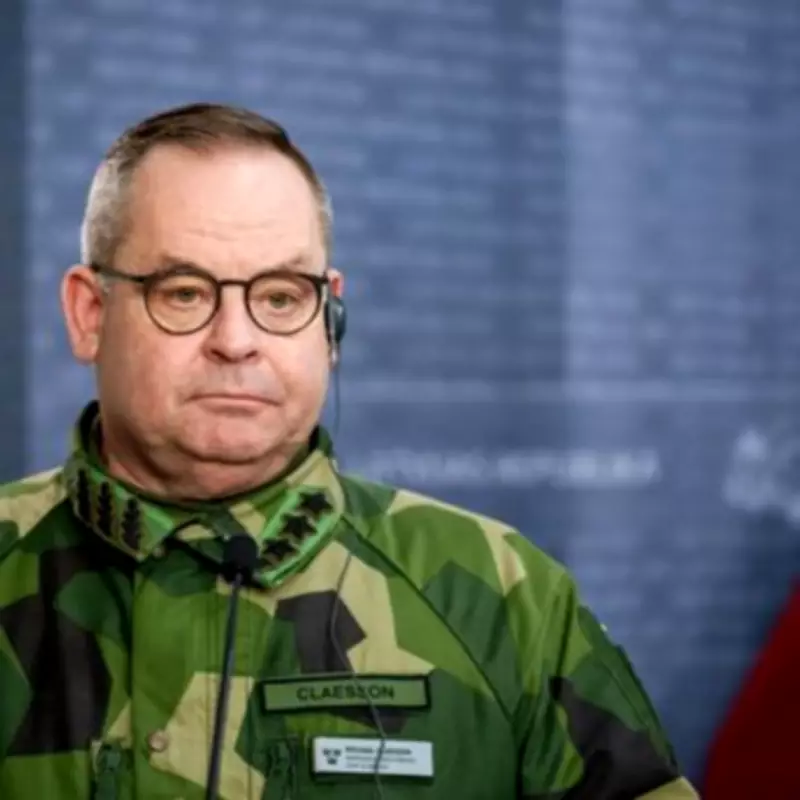
Sweden is preparing for a potential Russian military operation to seize the strategic island of Gotland, according to the nation's Chief of Defence. Michael Claesson has issued a stark warning that Moscow could launch a land grab "at any time" in the Baltic Sea region, specifically targeting Gotland, to test NATO's determination and political resolve.
Strategic Shift in NATO Focus
Traditionally, NATO military exercises have concentrated on a potential Russian land assault along the alliance's eastern flank. However, attention is now pivoting towards the Baltic Sea, where war games have simulated possible Russian landings on strategically vital islands. These include Gotland in Sweden, Bornholm in Denmark, and Hiiumaa and Saaremaa in Estonia.
Testing NATO's Political Will
Claesson emphasized that such an operation "doesn't have to be particularly extensive at all, but more to make a point and wait to see what might happen politically." This suggests Russia might use a limited incursion to gauge NATO's response and exploit any political divisions within the alliance.

Russian Capabilities and Future Threats
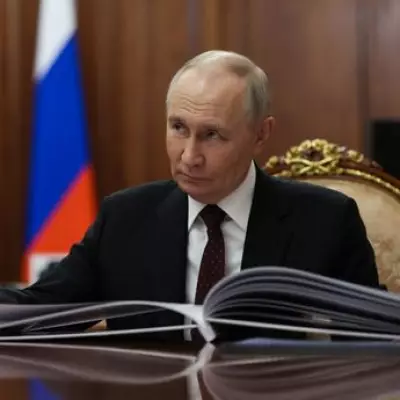
Swedish military intelligence has cautioned that Russia possesses the capability to broaden its conflict in the coming years. They further warn that any resolution to the ongoing Russian war could enable President Vladimir Putin to redeploy troops closer to NATO territory, increasing the risk of confrontation.
US Political Tensions and NATO Backing
The warning comes amid heightened political tensions within NATO, particularly from the United States. Former US President Donald Trump has repeatedly criticized NATO allies for what he perceives as insufficient backing, most recently at a Turning Point event in Arizona on 17 April 2026. In a keynote speech, Trump declared, "If NATO teaches us any one thing, and I hope you all watched because they weren't there for us, if it teaches us any one thing: we have to rely on ourselves. We can't rely on outside countries and outside sources."
International Sanctions and Energy Policy
Meanwhile, Ukraine's President Volodymyr Zelensky has condemned a US decision to extend the period during which Russia is allowed to sell oil despite Western sanctions. The move permits countries to purchase Russian oil and petroleum products already loaded on vessels at sea until 16 May 2026.
The US argues that this waiver is intended to ease the energy supply crunch sparked by the US-Israel war with Iran. However, Zelensky stated on Sunday, "every dollar paid for Russian oil is money for the war" in Ukraine. Widespread sanctions have been in place against Russia since President Putin launched his full-scale invasion of Ukraine in February 2022.
Broader Implications for European Security
The combined warnings from Swedish defence officials, coupled with political friction within NATO and ongoing sanctions debates, highlight a precarious security environment in the Baltic region. The potential for a Russian land grab on Gotland represents not only a military threat but also a significant test of NATO's unity and strategic preparedness in the face of evolving challenges.