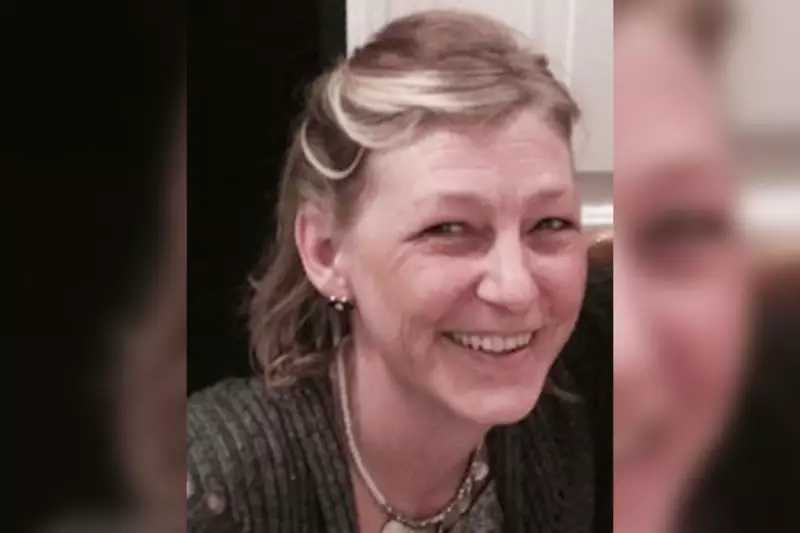
The family of Dawn Sturgess, the British woman who died after being poisoned by the Novichok nerve agent in 2018, have issued a powerful statement following the release of the final report from the inquiry into her death. The 44-year-old was an innocent victim of a Russian assassination attempt, the inquiry concluded, but her family says critical failures by police and the government contributed to the tragedy.
Police Errors and Public Mischaracterisation
In a statement read by their lawyer, Marcia Willis Stewart KC, on Thursday, 4 December 2025, the family revealed that Wiltshire Police made a "grave mistake" in the immediate aftermath of Dawn's death. The force wrongly characterised her as a drug user, leading the public to believe she had contributed to her own fate. This incorrect assessment overruled paramedics' suspicions of nerve agent poisoning.
The inquiry chair, Lord Hughes, found this police error had the potential to endanger other members of the public and emergency responders. "We, and most importantly Dawn, have been vindicated today," the family's statement declared, confirming she was a "wholly innocent victim" killed by Novichok from the same batch used in the attempted assassination of former Russian spy Sergei Skripal in Salisbury.

Government Failures in Risk Assessment
The report delivered a damning verdict on the UK Government's actions prior to the attack. It concluded there were failures in managing and assessing the risk Russia posed to Sergei Skripal. Despite Skripal being labelled a traitor by Vladimir Putin and convicted of treason, the inquiry found there were no sufficient and regular assessments of the threat of Russian retaliation against him.
"Adequate risk assessment of Skripal was not done, but no protective steps were put in place," the family stated. They have always believed this failure put the British public at risk and directly led to Dawn's death in Amesbury, Wiltshire, months after the initial Salisbury attack.
Unanswered Questions and a Lack of Recommendations
While the inquiry considered secret evidence from the government and intelligence services, the family expressed deep concern that the publicly released report does not detail how similar risks will be prevented in future. They also highlighted a deficient public health response, noting that crucial training for emergency responders about nerve agent symptoms was not widely circulated.
A key piece of public advice—"do not pick up items you have not dropped"—was only issued after Dawn was killed. The inquiry found this advice was not properly considered before her death. Most troubling for the family, the report contains no formal recommendations for change. "That is a matter of real concern. There should, there must, be reflection and real change," they asserted.
The family, who remain devastated by their loss, stated this marks the end of the public process. They have asked for their privacy to be respected as they continue to grieve for a beloved daughter, mother, and sister.