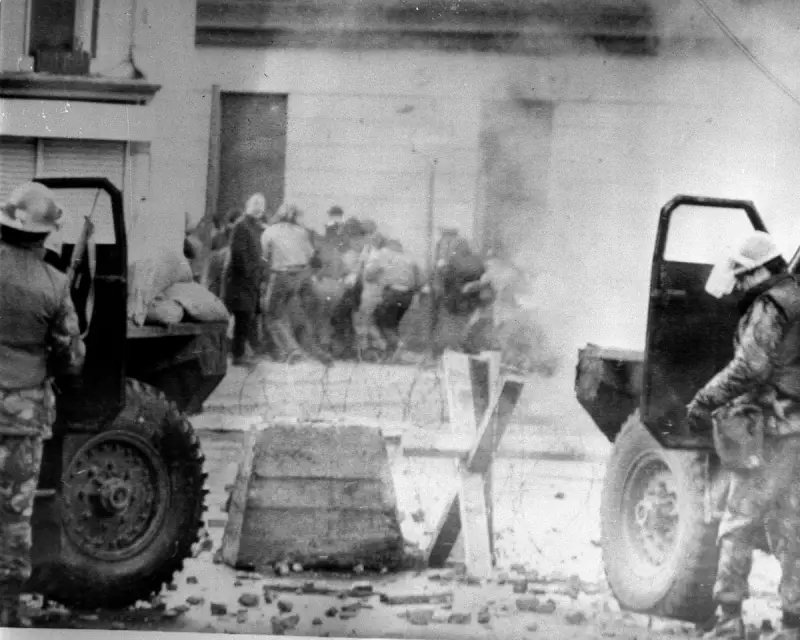
The dramatic collapse of the case against Soldier F, the former British Army paratrooper accused of murder during Bloody Sunday, has sent shockwaves through legal and political circles, raising fundamental questions about the pursuit of justice for Troubles-era crimes.
A Case Unraveled
Prosecutors were forced to abandon the high-profile case after critical evidence was deemed inadmissible. The decision followed a ruling that prevented the court from hearing testimony about the soldier's previous identification in the Saville Inquiry, creating an insurmountable hurdle for the prosecution.
Legal experts immediately flagged the development as potentially catastrophic for other historical investigations into the Northern Ireland conflict. With many cases relying on similar evidence gathered decades after the events, the precedent set by Soldier F's case could effectively shut down numerous pending prosecutions.
Broader Implications for Troubles Justice
The timing couldn't be more significant, coming as the government prepares to implement its controversial Legacy Act. This legislation aims to establish a new truth recovery body while offering conditional immunity to perpetrators who cooperate fully.
Many victims' families had viewed the Soldier F prosecution as a crucial test case for the existing justice system's ability to handle historical offences. Its collapse now appears to validate concerns that traditional criminal prosecutions may no longer be viable for events that occurred over half a century ago.
Victims' Families React
Reaction from Bloody Sunday families has been one of profound disappointment mixed with resignation. Many had waited nearly five decades for some form of legal accountability, only to see the case disintegrate over evidential technicalities.
One family representative described the outcome as "another devastating blow to those who have fought for justice their entire lives", highlighting the emotional toll of the prolonged legal battle.
What This Means for Future Prosecutions
The implications extend far beyond this single case. Legal analysts suggest the ruling creates a significant precedent that could affect:
- Other military prosecutions from the Troubles period
- Paramilitary cases where evidence has aged similarly
- The government's new legacy framework and its approach to conditional immunity
- International human rights obligations regarding investigation of historical deaths
As one senior legal figure noted, "This isn't just about one soldier; it's about whether our justice system can effectively handle crimes from a different era with all the evidential challenges that presents."
A Cautionary Tale
The Soldier F case now stands as a stark warning about the practical difficulties of prosecuting historical offences. With witnesses deceased, memories faded, and evidence degraded, the path to conviction becomes increasingly narrow with each passing year.
For policymakers grappling with how to address Northern Ireland's troubled past, this outcome serves as a powerful reminder of the complex intersection between law, politics, and the pursuit of reconciliation.