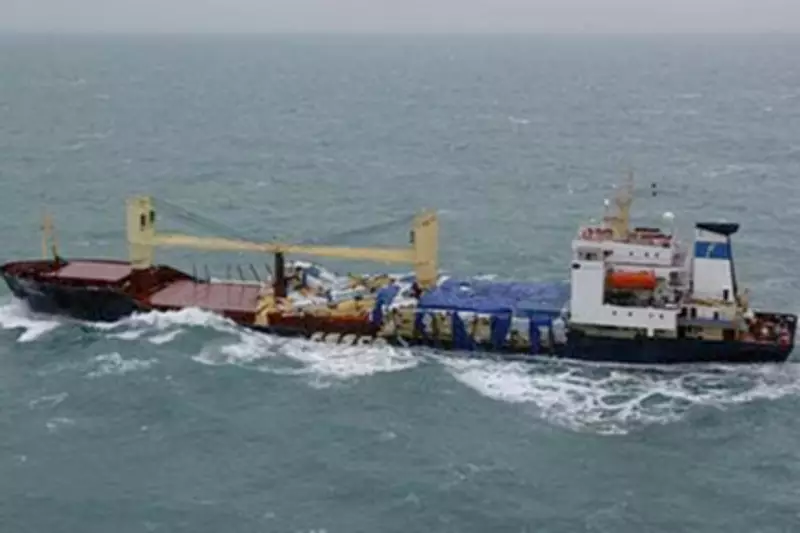
A Russian cargo vessel, identified as the Sinegorsk, anchored for approximately 14 hours in the Bristol Channel, positioning itself over critical undersea data cables off the coast of Minehead, Somerset. This incident has raised significant security alarms, prompting immediate surveillance by UK authorities.
Surveillance and Response by UK Forces
Upon detecting the Sinegorsk's presence, an HM Coastguard aeroplane and a Royal Navy Wildcat helicopter were deployed to monitor the situation closely. The vessel's actions have been described as highly suspicious, given its proximity to essential telecommunications infrastructure that supports trans-Atlantic communications.
Background and Previous Port Calls
The Sinegorsk's last recorded port of call was Arkhangelsk, Russia, a major trading hub that also serves as a naval base. This detail has intensified concerns, linking the incident to broader patterns of Russian maritime activity in UK waters.

Growing Concerns Over Russian 'Shadow Fleet'
This event is part of a wider trend of increased Russian incursions into British waters since the full-scale invasion of Ukraine. Experts warn that such actions by Russia's so-called 'shadow fleet' could be attempts to map and potentially disrupt critical undersea infrastructure.
Official Warnings from the Ministry of Defence
The Ministry of Defence has highlighted the escalating threat, with the First Sea Lord noting a 30 per cent rise in Russian activity in UK waters over the past two years. These developments underscore the ongoing geopolitical tensions and the need for heightened vigilance.
In summary, the anchoring of the Sinegorsk over vital data cables in the Bristol Channel represents a serious security incident, reflecting broader concerns about Russian maritime strategies and their implications for UK national security.