Russia has made a provocative claim about high-level contact with Britain's intelligence service, stating its foreign spy director held a substantial conversation with the new head of MI6.
Moscow's Claim of High-Level Contact
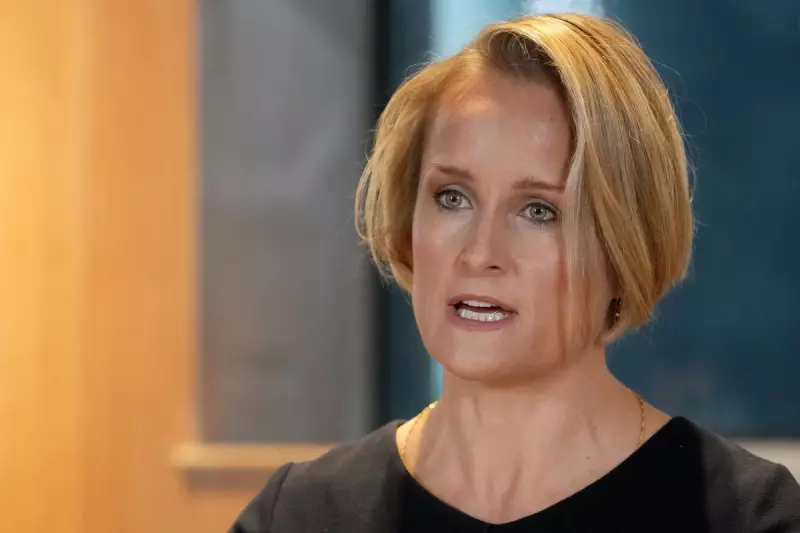
According to a statement from Moscow, Sergey Naryshkin, the director of Russia's Foreign Intelligence Service (SVR), engaged in a "lengthy" phone call with Blaise Metreweli. Ms Metreweli, the first woman to lead the Secret Intelligence Service, took up her post in October. The alleged discussion is said to have occurred roughly two months after her appointment.
Mr Naryshkin noted that Russian and British intelligence officers continue to operate officially in each other's capitals, a long-standing practice. However, he provided no specific details about the content or precise timing of the purported conversation, leaving the nature of the exchange open to speculation.

Timing Amidst Tensions and Critical Talks
The Russian assertion emerged shortly after Ms Metreweli publicly outlined the significant threat posed by an "aggressive, expansionist and revisionist" Russia. This stark warning highlighted the deteriorating security landscape from the UK's perspective.
Furthermore, the claim coincides with a crucial moment in European diplomacy. Leaders in Brussels have just approved a major €90 billion deal to fund Ukraine's war effort against the Russian invasion. It is important to note that this funding package is not drawn from frozen Russian state assets, a point of significant contention.
Expert Analysis of Moscow's Motives
Military analyst Michael Clarke suggested that Moscow's decision to disclose the alleged call is a deliberate political manoeuvre. He posited that Russia aims to imply that Britain is seeking dialogue or appears amenable due to ongoing, sensitive negotiations, possibly referencing talks in Washington.
Clarke emphasised that the UK would never publicly confirm or deny such a sensitive intelligence communication, making the Russian claim difficult to verify independently. This disclosure is widely seen as an attempt to sow doubt and create a perception of back-channel diplomacy favourable to the Kremlin's narrative.
The situation underscores the complex and shadowy nature of international relations, where public statements often serve strategic purposes far beyond the simple relay of information.