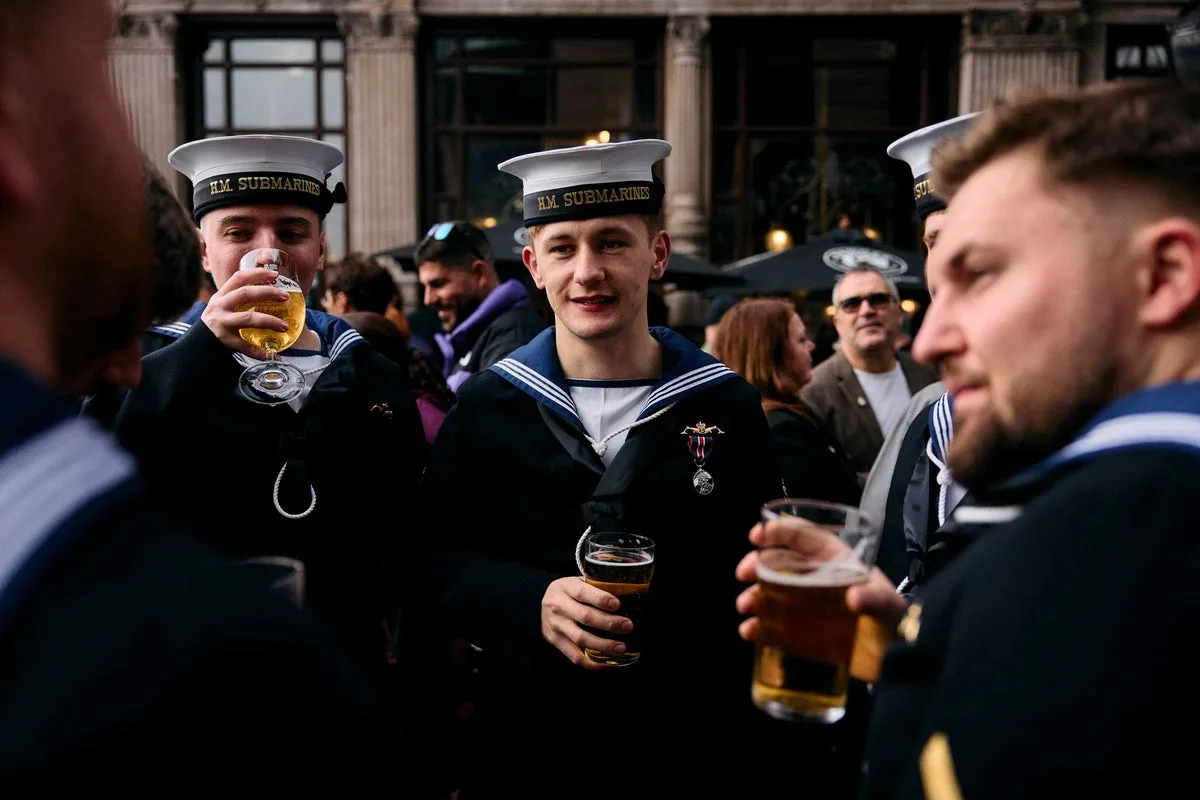
The Royal Navy has launched a significant health initiative by imposing strict new alcohol consumption limits for sailors serving on ships. This policy shift represents a major cultural change for the naval service, which has a centuries-old association with drinking traditions.
New Alcohol Restrictions Implemented
Under the newly implemented regulations, Royal Navy personnel will be restricted to consuming no more than 14 units of alcohol each week. This quantity equates to approximately six pints of beer, establishing clear boundaries for onboard drinking. Furthermore, the policy mandates that all ships must observe at least two completely alcohol-free days every week, creating regular periods of abstinence for crew members.
Documentation and Monitoring Procedures
The enforcement mechanism includes a formal documentation process requiring sailors to complete specific forms detailing their alcohol consumption when visiting ship bars. This monitoring system aims to ensure compliance with the established limits while providing commanders with visibility over drinking patterns across their vessels.
Health Concerns Driving Policy Change
Official documents titled Alcohol Policy Onboard Ships, obtained by the Daily Mail, reveal that service chiefs consider current alcohol consumption levels "a significant concern" for operational effectiveness. Recent statistics indicate that 48 percent of naval crew members are believed to consume alcohol excessively, representing an improvement from the 55 percent recorded in 2023 but still prompting decisive action.
The policy document explicitly states: "These figures highlight the critical need for stricter alcohol policies to safeguard personnel, enhance operational performance and mitigate risks to operational capacity." This health-focused approach aligns with broader government targets for improving public wellbeing across all sectors.
Historical Context and Cultural Shift
The Royal Navy maintains a deep historical connection with alcohol consumption, dating back to practical necessities when beer provided a safer alternative to contaminated drinking water during the seventeenth century. Following the capture of Jamaica from Spain in 1655, rum became the preferred naval beverage due to its durability during long voyages and preservative qualities.
Rum rations, famously known as the 'tot,' were traditionally issued to sailors and sometimes mixed with citrus juice to prevent scurvy. This longstanding practice ended abruptly on 31 July 1970 - remembered as Black Tot Day - when concerns emerged about alcohol impairing sailors' ability to operate increasingly sophisticated weapons systems.
Reactions and Implementation Details
The policy changes have generated mixed reactions within naval circles. Retired Rear Admiral Chris Parry expressed concerns about potential impacts on morale, stating: "You have to trust your sailors and your leaders aboard ships to set the rules. You can screw down a system too much. Sailors take great risks and make big sacrifices."
Some serving personnel have voiced apprehension that these restrictions might represent a first step toward complete alcohol prohibition aboard ships, mirroring policies already implemented by the United States Navy. The new regulations replace the previous 'two-can rule' observed across British Army establishments, creating consistent standards across military branches.
Supporting Healthier Lifestyle Choices
To facilitate the transition toward reduced alcohol consumption, naval bars have been encouraged to increase their stock of non-alcoholic beer alternatives. This provision aims to support sailors in making healthier lifestyle choices while maintaining social opportunities within shipboard communities.
A Royal Navy spokesperson explained the rationale behind the updated policy: "The updated policy aligns with medical advice, ensuring our people remain fit for naval operations. It also prioritises the health of our people and ensures they are ready to respond to the dynamic demands of naval operations."
The implementation of these alcohol restrictions marks a significant evolution in Royal Navy culture, balancing centuries-old traditions with contemporary health priorities and operational requirements in modern naval warfare environments.




