RAF Base in Cyprus Targeted by Drone Following UK Decision on US Military Access
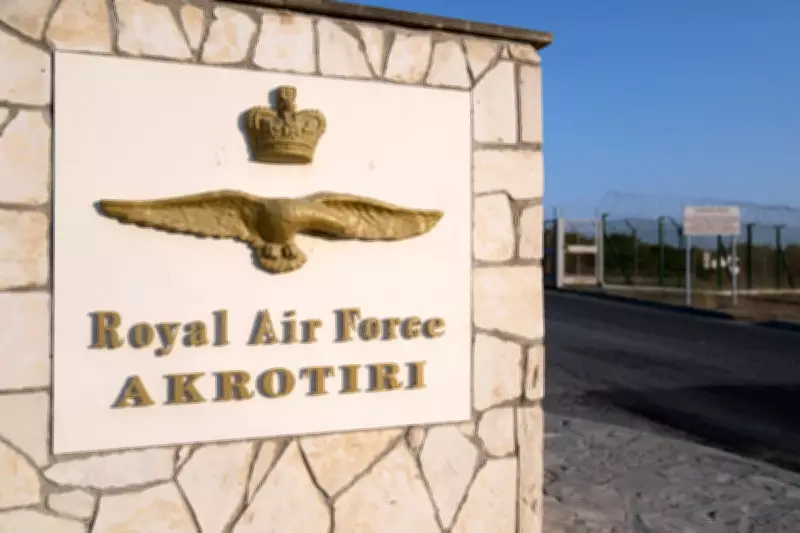
A Royal Air Force installation has been struck by a drone as Prime Minister Sir Keir Starmer granted the United States permission to utilise British bases for launching defensive military operations against Iran. Officials confirmed that RAF Akrotiri in Cyprus sustained the impact, though the facility continues to function normally. As a precautionary measure, family members of personnel stationed at the base have been relocated to alternative accommodation on the island.
Timing and Origins of the Attack Remain Unclear
The drone assault occurred hours after Sir Keir announced that American forces would be allowed to employ British bases to target Iranian missile storage depots and launchers. This move was in response to Tehran's recent barrage of missiles across the Middle East, which threatened regional stability and British nationals. However, authorities believe the drone was launched prior to the Prime Minister's declaration, suggesting it was not a direct retaliation for the policy shift.
It remains uncertain whether the drone originated directly from Iran or from Tehran-backed proxy groups, such as Hezbollah in Lebanon. The Ministry of Defence described the damage inflicted by the kamikaze drone as "minimal" and confirmed there were no casualties. A spokesperson emphasised that "the safety of our personnel and their families is our absolute priority" while assuring that operations continue unabated to protect British interests.

Political Reactions and Legal Justifications
Sir Keir defended the decision, stating it was made in collective self-defence under international law to prevent further Iranian missile attacks that endanger innocent civilians and British lives. He clarified that British forces would not be directly involved in strikes, and base usage would be limited to defensive purposes against specific Iranian threats. The Government has published a legal summary to support this stance.
Political responses have been mixed:
- Green Party leader Zack Polanski condemned the move, accusing Sir Keir of entering "yet another Middle East illegal war".
- Liberal Democrats demanded parliamentary oversight on allowing US access to British bases.
- Reform UK leader Nigel Farage supported the decision, calling it "better late than never" but criticising Sir Keir as "a follower, not a leader".
Evacuation Plans and Regional Security Concerns
With approximately 300,000 Britons in countries targeted by Iran, including 102,000 registered with the Foreign Office, officials are examining all options to ensure their safety. Foreign Secretary Yvette Cooper revealed that "every possible option" is being considered, including a potential mass evacuation. Rapid deployment teams have been sent to the region to coordinate with local governments and the travel industry, advising citizens to shelter in place and await further instructions.
The UK's decision followed extensive conversations with regional leaders who requested enhanced protection from Iranian missiles. Notably, British forces were not involved in initial US and Israeli strikes that resulted in the death of Iranian Supreme Leader Ayatollah Ali Khamenei. Ms Cooper stated that supporting those attacks was "not in the UK's interests" but justified current involvement to safeguard British nationals.
Potential bases for US operations include Diego Garcia in the Indian Ocean and RAF Fairford in Gloucestershire, as previously indicated by former US President Donald Trump. The UK continues its defensive operations, such as intercepting Iranian drones threatening northern Iraq and Qatar, underscoring its commitment to regional security amidst escalating tensions.