RAF Base in Cyprus Targeted by Drone; Families Evacuated Amid Regional Strikes
RAF Cyprus Base Hit by Drone; Families Evacuated

RAF Base in Cyprus Targeted by Suspected Iranian Drone Strike

A UK Royal Air Force base in Cyprus has been struck by a suspected unmanned drone, leading to the precautionary evacuation of military families from the site. The Ministry of Defence confirmed that RAF Akrotiri was targeted overnight, resulting in minor material damage but no reported casualties.

In response to the security threat, family members residing at the base are being relocated to alternative accommodation elsewhere on the island. A Ministry of Defence spokesperson emphasised that the safety of personnel and their families remains the absolute priority, with base operations continuing as normal to protect British interests.

Heightened Regional Tensions and UK Stance

The drone incident coincides with escalating military actions across the Middle East, following US and Israeli strikes that resulted in the death of Iran's Supreme Leader, Ayatollah Ali Khamenei. Iran has launched retaliatory strikes targeting various locations, including civilian areas in the United Arab Emirates where explosions were reported in Dubai.

Prime Minister Keir Starmer has clarified the UK's position, stating that while Britain will not participate directly in offensive strikes against Iran, the government has agreed to allow US forces to use British bases for defensive operations specifically targeting Iranian missile storage depots and launchers. This decision comes at the request of Gulf partners seeking enhanced protection.

Foreign Secretary Yvette Cooper addressed the Cyprus situation, confirming that "precautionary measures" were being implemented following the drone strike on RAF Akrotiri. She described the incident as "an unmanned drone strike, specifically on the airport runway" but declined to provide further operational details at this stage.

International Reactions and Broader Impact

Cyprus President Nikos Christodoulides confirmed the base was hit by a Shahed drone while emphasising that Cyprus "does not participate in any way and does not intend to be part of any military operation." Meanwhile, the UK Foreign Office has updated travel advice for Cyprus, warning of heightened regional tension and advising British nationals to take sensible precautions.

The conflict has produced significant international repercussions:

  • Oil prices have spiked following attacks on energy infrastructure, including a reported drone strike at Saudi Arabia's Aramco refinery in Ras Tanura
  • Lebanon has reported at least 31 deaths from Israeli airstrikes following Hezbollah attacks on Israel
  • US President Donald Trump has suggested military operations could continue for weeks, acknowledging potential further American casualties
  • Australia has explicitly ruled out participation in military strikes against Iran

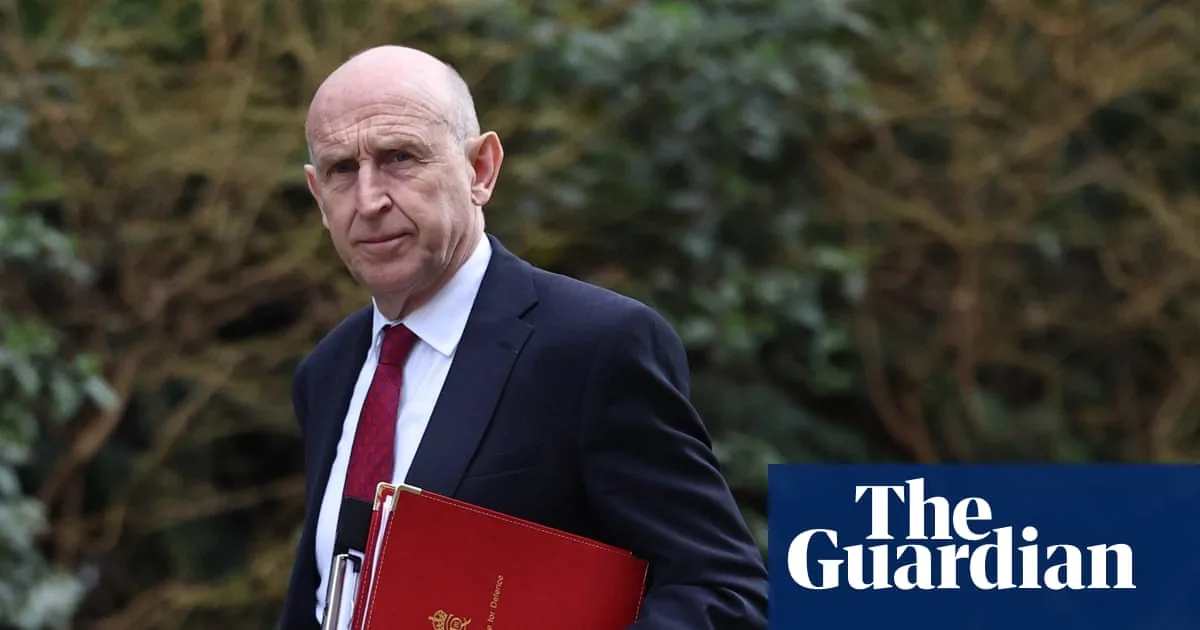
Defence Secretary John Healey confirmed that the UK's terror threat level is under review in light of the regional escalation, noting increased vigilance both domestically and for forces deployed in the Middle East.

Civilian Experiences and Safety Measures

British citizens across the region have reported direct experiences with the conflict. A Scottish teacher in Dubai described hearing "loud bangs" believed to be missile explosions, while seeing what appeared to be shrapnel falling into nearby waters. In response to the dangers, Dubai hotels have been instructed not to evict stranded British tourists from their accommodations.

The US Department of State has issued urgent safety directives to Americans in Kuwait, advising them to avoid the embassy, take cover on the lowest floors of buildings, and stay away from windows due to risks from missile debris even when attacks are intercepted.

As the situation continues to develop, the British government maintains its focus on defensive operations and protecting national interests while avoiding direct offensive involvement in the expanding Middle East conflict.




